Shire Horse Care Guide: History, Traits, and Training
Shire horses have pulled carts, plowed fields, and carried heavy loads across the English countryside for hundreds of years. Yet, many people focus on their size and strength while forgetting how vital their daily grooming and hoof care can be. Those famous feathered legs and flowing manes look stunning, but they also trap mud and moisture that can lead to issues. What do you need to know about keeping those feathers clean and healthy to prevent problems down the road?
Tackling grooming with the right tools and routine can cut down on skin infections and hoof troubles. By learning a simple care plan early, you can keep your Shire horse comfortable and strong. This knowledge helps you plan ahead, avoiding surprise vet bills or lost riding days. In the end, a little daily attention goes a long way in maintaining these gentle giants.
Understanding the Shire Horse
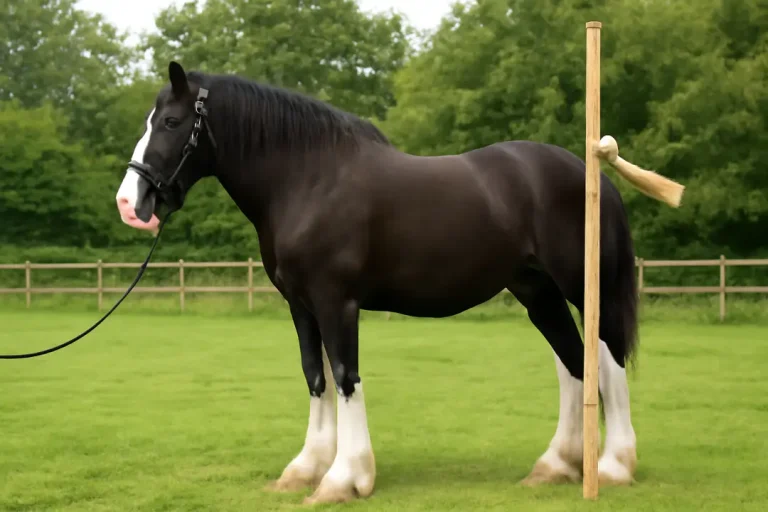
Shire horses are one of the largest and most powerful horse breeds in the world, often standing 17–19 hands tall and weighing up to 2,000 pounds. Despite their size, they are calm, gentle, and intelligent animals known for their steady temperament and willingness to work.
Because of their unique physical traits—like feathered legs, massive hooves, and large frames—Shires require specialized care beyond that of lighter breeds.
Daily Grooming & Hygiene
Why it matters: Grooming maintains skin health, prevents infections, and helps form a bond between you and your horse.
Daily Routine:
- Curry comb: Loosen dirt and stimulate circulation on body.
- Body brush: Remove dust and debris; use a soft-bristled brush for the face.
- Feathers (leg hair): Gently comb daily to prevent matting and check for mites or skin irritation.
- Hooves: Pick and inspect for stones, thrush, or cracks—due to their weight, Shires need impeccable hoof health.
Weekly extras:
- Shampoo feathers and tail with mild equine shampoo. Dry thoroughly to avoid fungal growth.
- Check skin under feathering for mites or sores.
Practical tip: Feather mites can be managed with diluted vinegar rinses or vet-prescribed treatments.
Nutrition & Feeding
Why it matters: Shires have large muscle mass and slow metabolisms. Poor feeding can lead to obesity, joint strain, or metabolic disorders.
Daily Diet:
- High-quality hay (free-choice access): Orchard grass, timothy, or alfalfa mix.
- Concentrates/grain: Only as needed, based on workload. Use low-starch, high-fiber options.
- Supplements:
- Joint support (glucosamine, MSM)
- Biotin and zinc (for hoof and skin health)
- Electrolytes (during hot weather or heavy work)
Water: Provide clean, fresh water at all times.
Practical tip: Monitor body condition monthly. Overfeeding can quietly lead to joint and heart strain.
Hoof & Leg Care
Why it matters: Shires put immense pressure on their hooves and joints. Regular care prevents lameness and infection.
- Trim or shoe every 6–8 weeks
- Use a qualified farrier experienced with draft breeds
- Apply hoof conditioners if dry or cracked
- Keep turnout areas dry to reduce risk of thrush
Practical tip: Avoid wet or muddy paddocks—moisture buildup around heavy feathering leads to mud fever or dermatitis.
Exercise & Training
Why it matters: These horses were bred to work, but too much strain—or too little movement—can harm their joints or cause boredom.
Exercise Tips:
- Daily turnout: Minimum 4–6 hours in a spacious area
- Light riding, trail work, or harness training
- Groundwork: Teaches obedience, prevents pushy behavior
Training style: Calm, consistent, and reward-based. Shires respond well to voice commands and gentle handling.
Practical tip: Start training with groundwork before saddle or harness work. Keep sessions short to avoid fatigue.
Seasonal & Environmental Care
| Season | Key Needs |
|---|---|
| Spring | Deworming, shedding, increased grooming |
| Summer | Fly masks/sheets, sun protection for black coats, hydration monitoring |
| Fall | Transition feed for cooler months, adjust blanket use |
| Winter | Shelter from wind, warm water, light blanketing if clipped or older horse |
Practical tip: Shires are hardy but still need shelter from cold wind and prolonged wet conditions due to their coat and feathers.
Common Health Concerns
| Condition | Prevention/Management |
|---|---|
| Feather mites | Weekly checks, vinegar rinses, mite sprays |
| Chronic Progressive Lymphedema (CPL) | Avoid excessive standing; consult vet for long-term management |
| Polysaccharide Storage Myopathy (PSSM) | Low-starch diet, daily turnout, steady exercise |
| Joint issues / arthritis | Weight control, joint supplements, avoid overwork |
| Hoof thrush / mud fever | Dry living conditions, consistent hoof and leg cleaning |
Daily Care Checklist
- Groom body and check feathers
- Pick hooves
- Provide clean water
- Feed hay and adjust grain as needed
- Inspect legs for swelling or mites
- Provide mental stimulation and turnout
Breed Origins and History
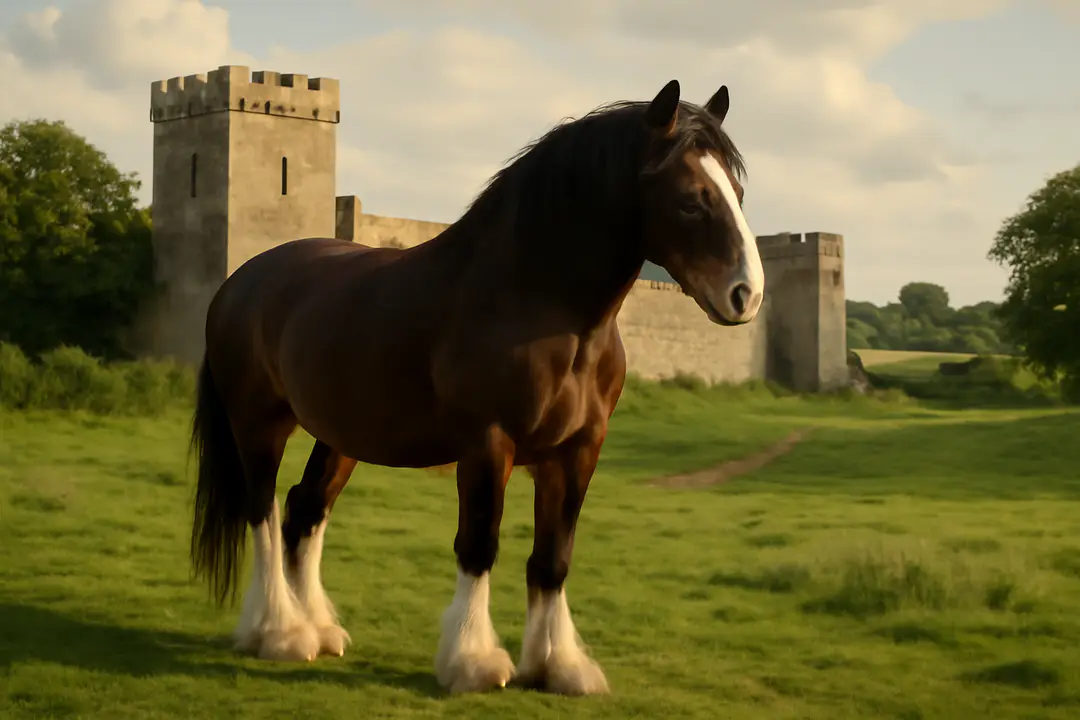
The Shire horse traces its roots back to medieval England, where large horses were used in war and heavy farm work. Over centuries, breeders crossed Flemish stallions with English mares to refine strength and size. By the 1700s, these horses were prized for hauling goods on narrow roads and pulling brewery drays. After a dip in numbers during the industrial age, dedicated efforts restored the breed. As you research bloodlines, a comprehensive breed overview can help you spot key lineage traits. That background also gives insight into why Shires have a calm nature and how their past shapes performance today.
When you talk with breeders, ask about known ancestors and any health tests they have passed. Look for records on height, weight, and temperament from recognized registries. Visiting a farm and seeing the horses in action gives you a real sense of how they move. Remember, a clear history helps you predict future needs for care and training. It also builds a stronger bond when you know the story behind your gentle giant.
Appearance and Traits
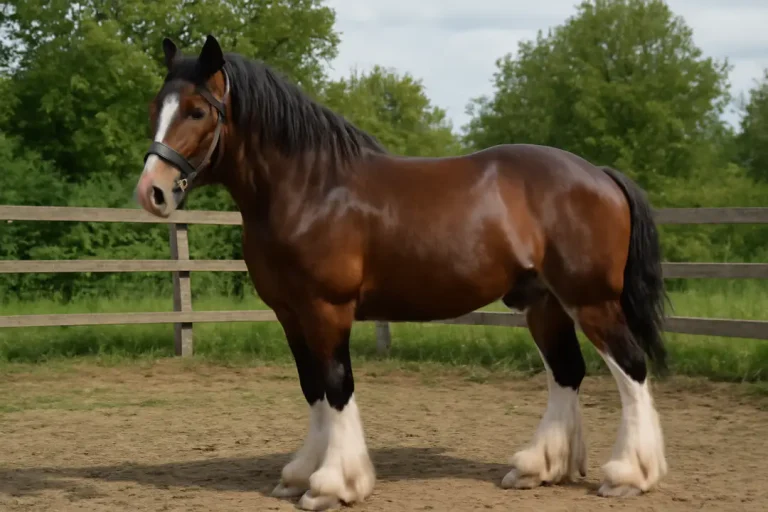
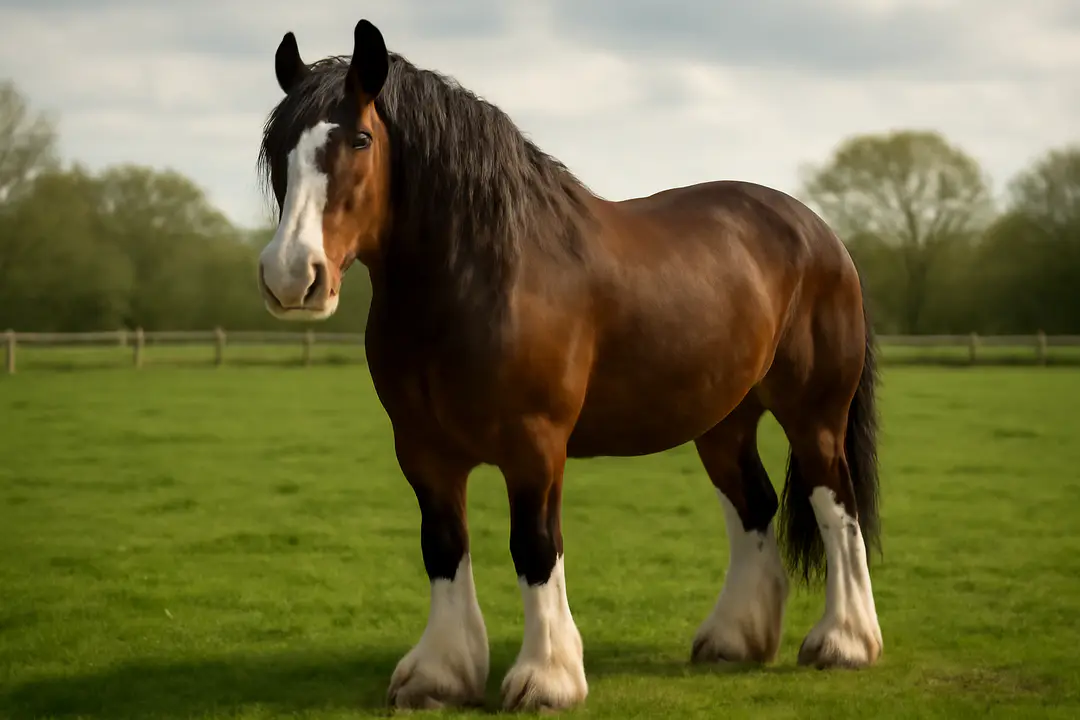
Shire horses are famous for their size. Adult males often stand around 17 to 18 hands high and weigh up to 2,000 pounds. They come in solid colors like black, bay, and grey. Those heavy feathers on their lower legs and the long mane and tail add to their majestic look.
- Height: 16–18 hands tall
- Weight: 1,800–2,400 pounds
- Coat: Black, bay, grey, sometimes roan
- Feathering: Abundant hair on legs
Temperament is as important as physical traits. Shires are known for being gentle, patient, and willing. That calm nature makes them great for riders of all skill levels. When inspecting a prospect, check the feathers for signs of mites or mud fever. Healthy skin under the hair signals good care and a strong immune system.
Grooming and Health Care
Regular grooming is more than just a coat brush. It helps you spot health issues early. The heavy feathering on a Shire’s legs can hide skin irritations.
- Pick out hooves daily to remove stones and dirt.
- Use a stiff brush on feathers to clear mud buildup.
- Apply a mild antiseptic spray if you see redness or scabs.
- Comb the mane and tail gently to avoid breakage.
- Inspect skin under feathers weekly for signs of fungus.
- Schedule a vet check at least twice a year.
For a deeper routine, follow a detailed step-by-step grooming resource designed for draft breeds. Keeping a log of cleaning dates and any treatments helps you track problem areas. Clean gear, like halters and saddles, also reduces infection risk. A simple, consistent habit saves money and keeps your horse comfortable all year.
Training Gentle Giants
Training a Shire horse requires patience and clear signals. These horses respond well to calm leadership and reward-based work. Start with basic ground manners before adding tack and riders. Always allow time for your horse to understand new commands. Consistency builds trust, and trust leads to cooperation.
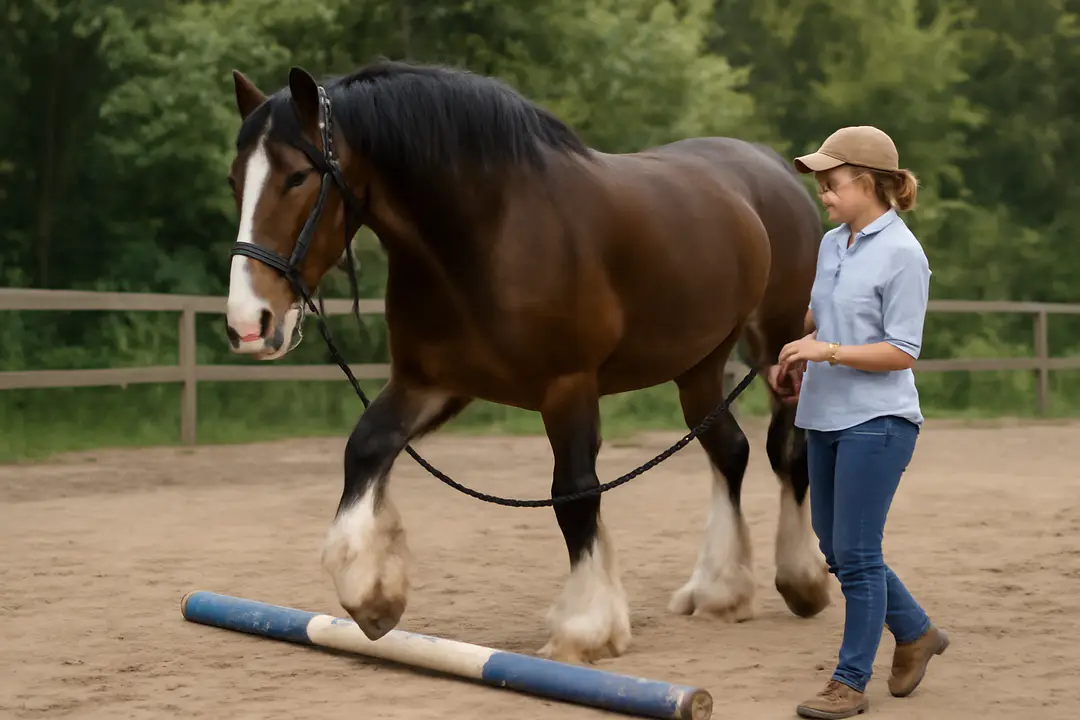
- Begin with leading and stopping exercises
- Introduce poles and obstacles on the ground
- Use light pressure and release methods
- Keep sessions short—15 to 20 minutes
- Praise and offer treats for correct responses
Gentle giants need mental as well as physical work. Mixing in different tasks keeps them engaged. If you sense hesitation, step back to a simpler exercise. Positive experiences make training a fun routine for both of you. Over time, your Shire will learn to work calmly and eagerly.
Working Roles Today
While tractors and trucks took over many farms, Shire horses still find valuable work. On small farms, they pull plows, carts, and logs. In city parades and festivals, they draw carriages with grace. Some farms also use them in eco-friendly logging, where heavy machines would damage the forest floor.
Therapy programs and riding schools value their calm nature. A child or adult new to horses gains confidence riding a patient Shire. Their slow, steady step helps work on balance and posture. When matching tasks, remember to plan rest periods. Even these strong animals need breaks to avoid fatigue and soreness.
Practical tip: schedule work and rest in a daily chart, and watch for signs of stress like quick breathing or reluctance to move. Planning ahead ensures your Shire stays happy and healthy on the job.
Choosing the Right Shire
Selecting a Shire horse starts with clear goals. Do you need a partner for light farm work, carriage driving, or simply a gentle trail mount? Your ideal horse will vary in age, training level, and health history. Visiting multiple farms and talking to owners gives you a richer view of options.
- Age and maturity for your work level
- Sound hoof and joint condition
- Temperament suited to riders in your home
- Training background and skills
- Budget for purchase and upkeep
Don’t rush the process. Take time to ride or lead each horse you consider. Ask for vet records and any past injury reports. Choosing a horse with a friendly nature makes daily handling easier. And once you’ve picked the right match, browse some creative naming ideas to give your new friend the perfect name.
Conclusion
Shire horses stand out as symbols of strength and kindness. From their medieval roots to modern farms and parades, they have earned a place in history and hearts. By understanding their breed background, you see why their size comes with special care needs. Regular grooming and a solid training plan turn potential issues into smooth routines. Choosing the right horse and matching its role to your goals sets the stage for a lasting partnership.
Whether you’re drawn by their gentle manner or their power on the farm, a Shire horse can be a rewarding companion. Stay patient, keep learning, and lean on resources when you need guidance. These giants thrive on consistent care and clear communication. With the right approach, you’ll enjoy every moment with your Shire horse, safe in the knowledge that you have the tools to keep it happy and healthy.