
Shire Horse Lifespan Guide – Expect More Years & Health
Shire horses stand out for their strength and gentle nature. These majestic giants can be partners on farms, in shows, or just companions in stables. But one key detail often slips under the radar: how various care choices and genetics shape their lifespans. How do you ensure your Shire reaches its full potential age?
The secret lies in understanding the main factors that affect longevity, from nutrition to grooming to genetics. When you know these details, you can plan the right diet, schedule vet visits, and set up a safe living space. This knowledge helps you offer the best care and avoid unwelcome surprises.
Average Lifespan of a Shire Horse
- Typical lifespan: 20 to 25 years
- With excellent care, some Shires can live into their late 20s or even 30s
This is similar to other draft breeds, though slightly shorter than light riding horses due to their massive size and workload history.
Key Factors Affecting Shire Horse Lifespan
| Factor | Impact on Lifespan |
|---|---|
| Genetics | Horses from healthy, long-lived lines tend to live longer |
| Nutrition | Balanced, high-fiber diets help prevent metabolic and joint issues |
| Workload | Moderate work extends life; overwork can cause early decline |
| Hoof & Leg Care | Draft horses are prone to joint stress—regular farrier visits help |
| Feather Care | Long leg hair can trap moisture, leading to infections (e.g., mud fever) |
| Living Conditions | Clean stables, ample turnout, and low-stress environments matter |
| Vet Attention | Annual exams, deworming, vaccines, and dental care extend health |
Common Health Issues in Shire Horses
| Condition | Details |
|---|---|
| Chronic Progressive Lymphedema (CPL) | Swelling in lower limbs; incurable but manageable with care |
| Polysaccharide Storage Myopathy (PSSM) | Muscle disorder related to sugar storage—managed via low-carb diet |
| Feather Mites & Mud Fever | Skin issues due to dense leg hair and wet conditions |
| Joint Strain / Arthritis | Due to weight and work; proper hoof angles and reduced heavy labor help |
Tips to Extend a Shire’s Lifespan
- Groom regularly – Especially legs and feathers to prevent infection.
- Provide joint support – Supplements like glucosamine and MSM help.
- Avoid obesity – Keep weight appropriate to reduce strain.
- Adjust workload with age – Transition older horses to light work or pasture retirement.
- Keep hooves trimmed and balanced – Prevents uneven stress on limbs.
- Provide companionship – Shires are social and benefit mentally from company.
Lifespan Comparison with Other Breeds
| Breed | Average Lifespan |
|---|---|
| Shire Horse | 20–25 years |
| Clydesdale | 20–25 years |
| Arabian | 25–30+ years |
| Thoroughbred | 20–28 years |
| Shetland Pony | 30–35 years |
Lifespan Influences
Most Shire horses live between 20 and 25 years. That range can vary based on key influences. Genetics lay the foundation, but daily care makes the biggest impact. Regular exercise, balanced feed, and stress reduction all add years to their lives.

Exercise keeps joints mobile and builds muscle strength. Aim for at least 30 minutes of walk or light trot each day. Avoid sudden bursts or hard training for older horses. A routine helps maintain healthy weight and gives mental stimulation.
Stress can shorten a horse’s life. Loud noises, crowded stables, and unpredictable routines add strain. Keep feeding and handling times consistent. Offer a quiet stall or pasture spot where the horse can relax without constant interruption.
Finally, schedule vet check-ups every six months. Early detection of issues like dental wear or hoof cracks can avoid bigger problems. A simple exam and vaccine update can add years to your Shire’s healthy lifespan.
Diet and Nutrition Needs
Food quality and balance are vital. Shire horses need a diet that matches their size and workload. Overfeeding grains can lead to weight gain and metabolic issues. Underfeeding roughage can cause colic or digestive upsets. Striking the right mix preserves health and supports longevity.
Here are core nutrients your Shire needs:
- High-quality hay or pasture for fiber and gut health
- Adequate protein from alfalfa or legume mix
- Essential vitamins A, D, and E for skin and bone
- Minerals like calcium, phosphorus, and trace elements
- Clean, fresh water at all times
Adjust portions based on body condition. Use a weight tape to track changes. If your horse starts to lose weight, increase hay and reduce high-sugar feeds. If it gains too much, swap grain for a balancer pellet and boost turnout time.
Supplementing with joint support like glucosamine may help older Shires. Always consult your vet before adding any new supplement. A blood test can reveal hidden deficiencies. Tailor feed to any specific health concerns for a customized nutrition plan.
Genetics and Breeding Impact
Genetics set the baseline for lifespan potential. Some bloodlines have a history of strong health and long lives. Others may carry inherited issues like dermo or bone weakness. Breeders who track family records can predict common traits.
Below is a simple comparison of two Shire lines:
| Lineage | Origin | Avg. Lifespan | Common Traits |
|---|---|---|---|
| Lincolnshire | England Farms | 22–24 years | Strong bone, calm temperament |
| Derbyshire | Warwickshire | 20–23 years | Wider frame, higher feed needs |
| Mixed Lines | Various breeders | 18–25 years | Variable health, diverse traits |
Understanding your horse’s lineage helps set realistic care and health plans. For a deeper dive into origins and key traits, check this breed history guide. When selecting a young foal, ask breeders for family health records. This step can spot potential issues before they arise.
Environment and Shelter
A stable or pasture that suits a Shire’s size and needs can add years to its life. Draft breeds like Shires require sturdy fencing and roomy stalls. Flooring should be slip-resistant with proper drainage to keep hooves healthy.
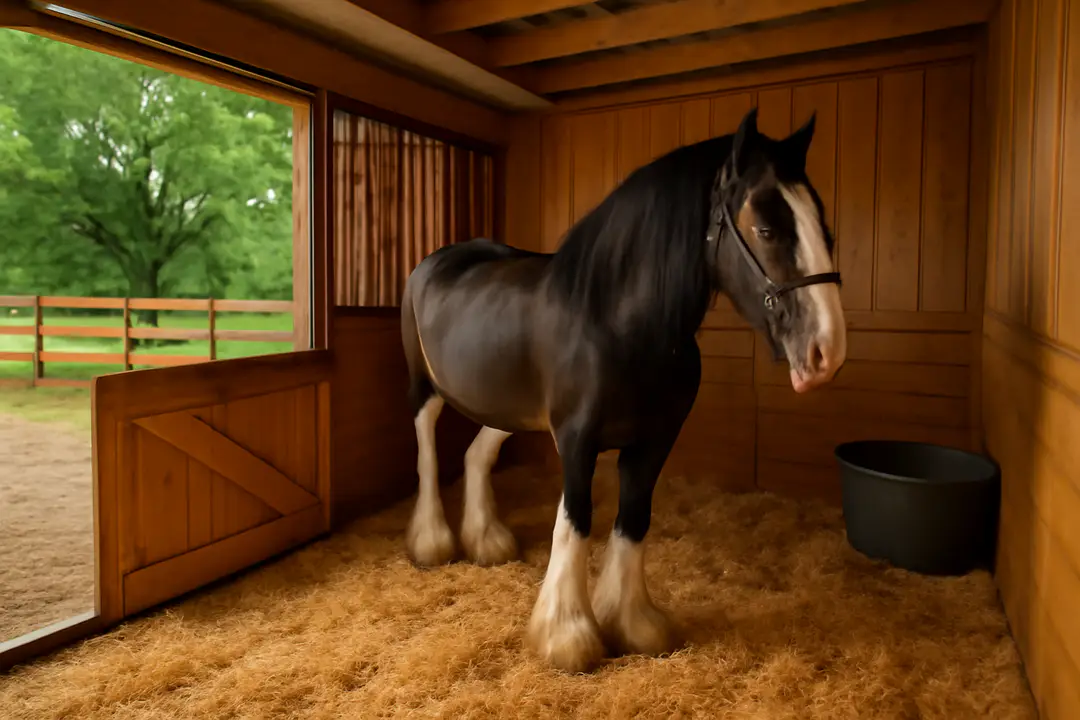
- Choose a stall at least 14×14 feet for free movement.
- Use deep bedding like straw or wood shavings to cushion joints.
- Ensure good ventilation to reduce respiratory issues.
- Check fencing for strength and safety regularly.
- Rotate pastures to avoid overgrazing and parasite buildup.
Climate matters too. In hot weather, provide shade and fans. In winter, keep water troughs from freezing and add a blanket if needed. A clean, dry environment cuts down on skin infections and hoof rot. Plan for routine maintenance and emergency repairs to keep your space safe year-round.
Age-Related Health Issues
As Shire horses age, they can face specific conditions that need early attention. Spotting signs early gives you time to manage problems before they worsen. Here are common age-related issues:
- Arthritis and joint stiffness – look for uneven gait or reluctance to move.
- Dental wear – check teeth twice a year to prevent sharp edges and weight loss.
- Hoof cracks and abscesses – schedule a farrier every 6–8 weeks.
- Weight fluctuations – keep a consistent feeding and turnout plan to avoid obesity or thinness.
- Metabolic disorders – monitor blood sugar for Cushing’s or insulin resistance.
Each issue calls for tailored care. Differing shoeing, pain management, or a senior-horse diet can ease discomfort. Work closely with your vet to adjust care as your horse ages. Preventive measures often save on vet bills later and keep your Shire moving comfortably.
Monitoring and Support Tips
Keeping track of changes in behavior or condition is key. Create a simple log for weekly notes on weight, appetite, and movement. A consistent record highlights small shifts before they become major concerns.
Regular grooming helps circulation and lets you spot skin or coat issues early. Brushing stimulates blood flow and mental well-being. For detailed grooming methods, see this how to groom a Shire horse article. Daily hoof picks prevent debris build-up and thrush.
Work with your vet to set up a vaccination and dental schedule. Senior horses may need more frequent check-ups. Adjust any treatment plans based on ongoing tests or scans.
Finally, keep turnout and social time. A healthy mind supports a healthy body. Regular interaction, light work, and peer contact all contribute to a longer, happier life for your gentle giant.
Conclusion
Shire horse lifespan depends on a balanced mix of genetics, nutrition, environment, and attentive care. By focusing on each influence—diet, shelter, regular health checks, and stress reduction—you give your horse the best chance at a long, vibrant life. Tracking family lineage sets expectations and helps anticipate potential issues early.
Practical steps like proper stall size, quality forage, joint supplements, and grooming routines all add up. Keeping a simple health log and building a strong relationship with your vet creates a safety net for any age-related concerns. With patience and consistency, you can watch your Shire thrive well into its twilight years. Take these insights and make a plan today. Your gentle giant will thank you with every healthy stride.