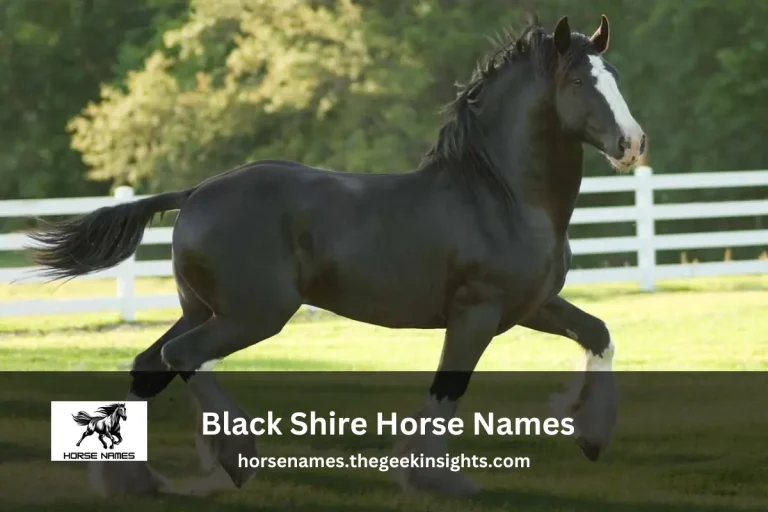

Biggest Shire Horse Ever: Records, Traits & Care Guide
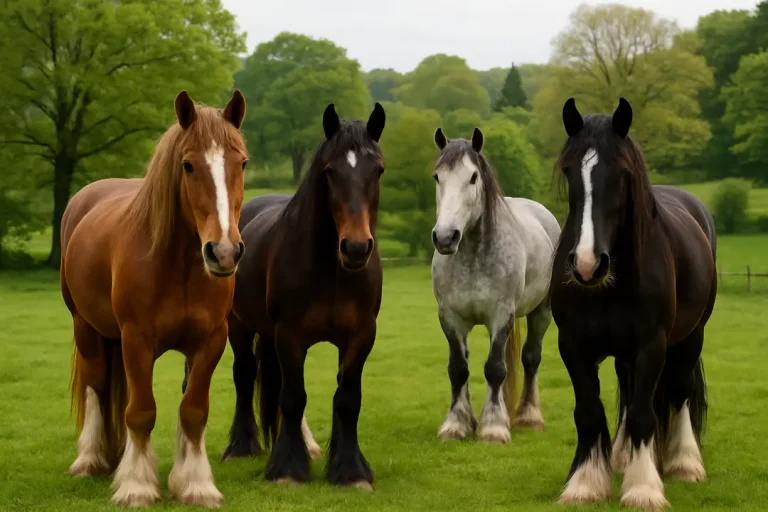
Working with a Shire horse feels like partnering with a gentle giant on four legs. These majestic animals play key roles in agriculture, therapy, and heritage events, yet we often miss how some individuals grow to be true record breakers. Size isn’t just about genetics—it’s shaped by nutrition, care, and environment too. What makes the biggest Shire horse reach such staggering height and weight?
It comes down to a blend of selective breeding, balanced feeding plans, and consistent health care routines. By grasping these factors, you’re better equipped to recognize potential champions and offer them the support they need. That knowledge can help you avoid surprises, whether you’re a new owner, a breeder, or simply an admirer of these towering steeds.
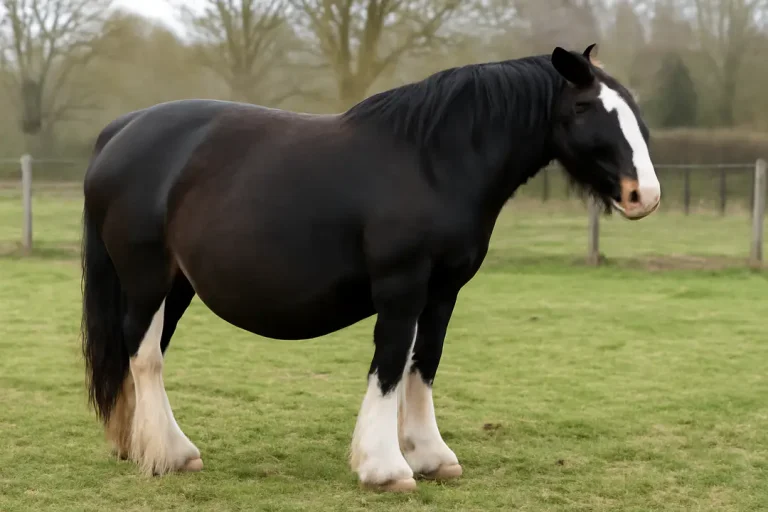
The biggest Shire horse ever recorded was a legendary stallion named Sampson, later renamed Mammoth—and he still holds the world record to this day.
Sampson (Mammoth) – The Largest Horse in History
Key Details:
- Name: Sampson (renamed Mammoth)
- Breed: Shire
- Height: 21.25 hands (approximately 2.19 meters or 7 feet 2 inches at the withers)
- Weight: Estimated at 1,524 kilograms (≈ 3,360 pounds)
- Foaled: 1846 in Toddington Mills, Bedfordshire, England
- Breeder: Thomas Cleaver
Record Status
Sampson holds the Guinness World Record for both:
- Tallest horse ever
- Heaviest horse ever
He was truly massive—even by Shire horse standards, which are already among the tallest and heaviest horse breeds in the world. No horse has surpassed him in over 175 years.
Record Breaking Giants
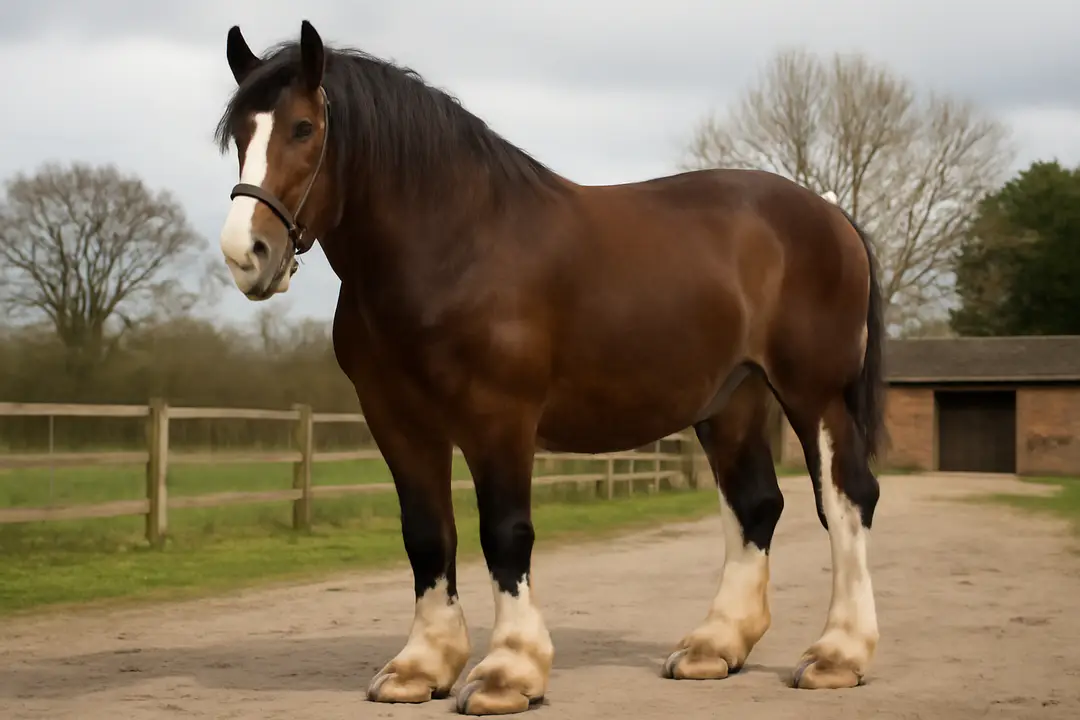
The Shire horse holds the title for the tallest and heaviest horse breeds in the world. Since the 19th century, breeders have aimed at producing bigger, stronger animals for farm work and parades. Official records list a few standout champions whose measurements still amaze fans today.
| Horse Name | Height (hh*) | Weight (lbs) | Year Recorded |
|---|---|---|---|
| Sampson (Mammoth) | 21.25 | 3,360 | 1850 |
| Billy | 20.25 | 3,200 | 1922 |
| Goliath | 19.75 | 3,400 | 1992 |
| Goliath II | 19.60 | 3,300 | 2001 |
(*hh = hands, one hand equals 4 inches.)
These giants stand over 2 meters tall at the withers and can weigh more than 1.5 metric tons. Their sheer mass demands careful handling, from loading transport trailers to fitting harnesses. Learning from these top performers helps owners set realistic goals when aiming for size.
For a deeper look into how the breed developed such proportions, check out this guide to Shire horse breed history. It explains how breeders refined bloodlines over centuries to emphasize height and strength.
Size Determining Factors
Genetics lay the foundation for any horse’s size, but environment and care shape how that potential unfolds. A foal from tall parents may still fall short if it lacks nutrients or lives in cramped quarters. Conversely, the right feed and space can push an average foal into the upper range of its lineage.
Key elements include:
- Balanced diet: high-quality forage supplemented by grains, minerals, and vitamins ensures steady growth.
- Space and turnout: room to exercise builds muscle and bone density.
- Early handling: positive, gentle training habits reduce stress-related growth delays.
Monitoring weight and height at regular intervals gives insight into whether growth is on track. A sudden plateau or drop could signal digestive issues, joint stress, or nutritional gaps. Working with a vet or equine nutritionist helps you fine-tune the plan.
Finally, avoid overfeeding calories without the exercise to burn them. Excess weight can strain joints and tendons, especially in a breed already prone to massive hooves and heavy limbs. Striking a balance between growth and health is key to raising a true record contender.
Health and Grooming
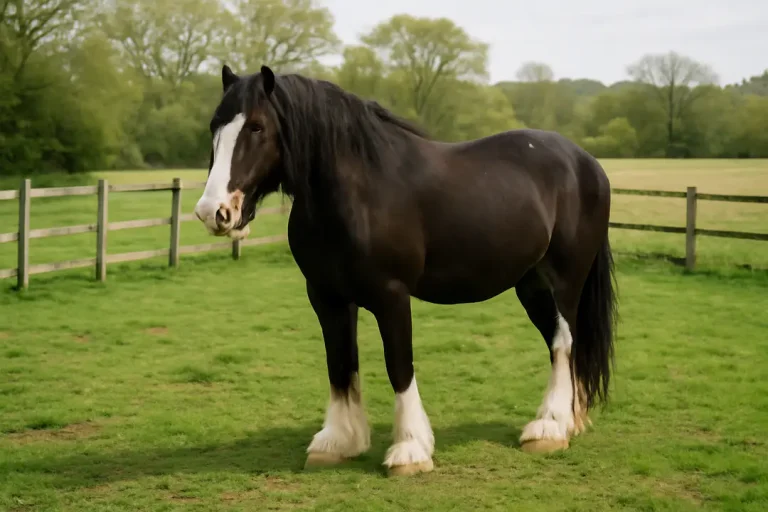
Tall horses need extra attention when it comes to health care and grooming. Their long legs, heavy feathered fetlocks, and broad backs demand a routine that keeps skin, joints, and muscles in top shape. Neglecting any of these areas can lead to issues like dermatitis in the feathers or stiffness in the joints.
Here’s a simple grooming checklist:
- Brush feathers daily to remove mud and debris.
- Check hooves every morning; clean deeply around the frog.
- Give a gentle massage along the back and shoulders after work.
- Inspect skin under the mane and tail to prevent fungal infections.
- Schedule biannual vet checkups focused on joint health.
Large horses can also face heat stress in summer and weight-bearing issues in winter. Offering shaded areas, fresh water, and hoof care adapted to ground conditions helps avoid painful surprises. For step-by-step tips on brushing and shining that coat, see this guide on grooming a Shire horse.
By investing a bit more time each day, you’ll keep your giant comfortable and look forward to a horse that’s more than just a big wall of muscle—it’ll be healthier, safer, and more willing to bond.
Training and Handling
Working with a 2,000-pound horse requires thoughtful training from the start. Begin groundwork while the foal is still small, using voice commands and light pressure to build trust. As the horse grows, adapt techniques to its changing size so the animal never feels overwhelmed.
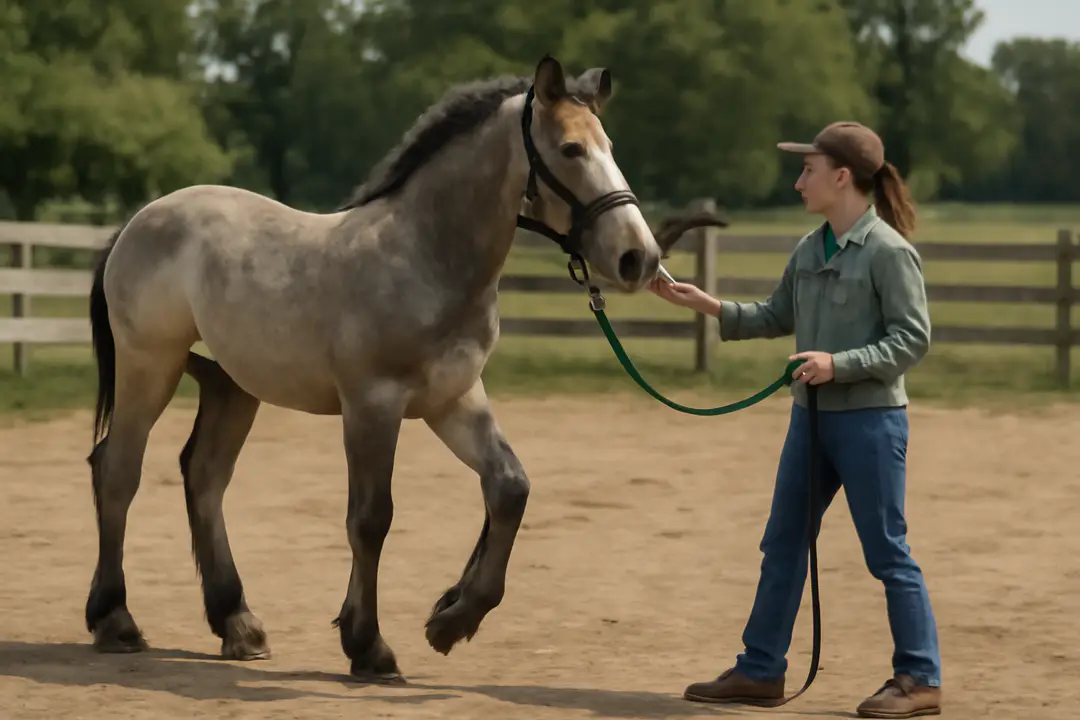
Key strategies include:
- Teach yield exercises: encourage the horse to step back or sideways on gentle rein pressure.
- Practice loading and unloading: make trailering a calm routine to avoid panic in confined spaces.
- Desensitize to noise and movement: big horses can react strongly to sudden sounds, so expose them early to tractors, cars, and crowds.
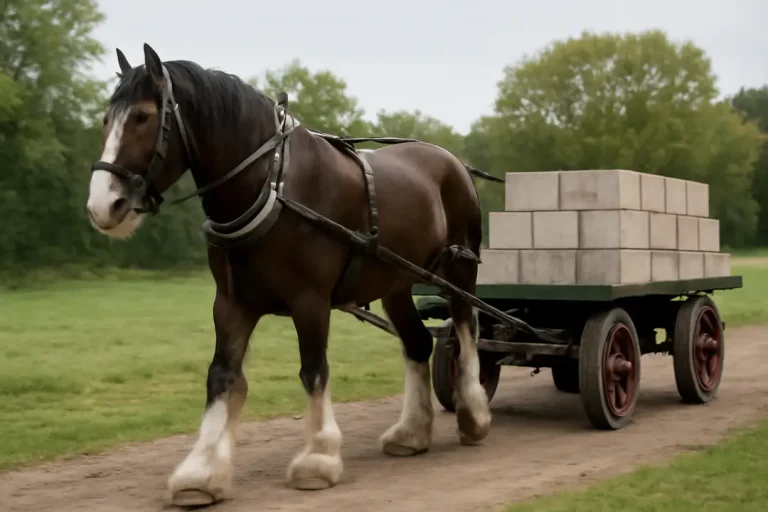
When it’s time to mount or hitch to a cart, ensure all equipment is custom-fitted. A strap too tight can cause chafing; loose harness pieces can slip out of place under heavy pull. Regularly inspect leather, stitching, and metal fittings. That attention to detail prevents accidents that could injure both horse and handler.
Patience is crucial. Growth spurts may make a previously well-behaved horse awkward or tense. Scale back new exercises until coordination catches up. With consistent, gentle guidance, even the biggest Shire will learn to walk calmly beside you, no matter its bulk.
Daily Care Demands
Owning a huge Shire horse comes with unique costs and responsibilities. Bedding alone for a stall big enough to turn around can run higher than average. You’ll need at least two bales of hay daily, plus tailored grain mixes to meet energy needs.
Plan for these essentials:
- Stall size: minimum 14×14 feet with thick, dust-free bedding.
- Feed budget: premium hay at 2% of body weight daily, plus balanced grain.
- Farrier visits: every 6–8 weeks to trim and balance large, heavy hooves.
- Veterinary care: joint scans or x-rays as the horse matures.
Utilities also rise when you heat water troughs or shovel extra bedding. A routine calendar helps spread costs over the year. Automating feedings with timed hay nets can save labor while maintaining steady intake.
And when it comes to naming your massive companion, look to themes that highlight their grandeur. You might browse lists of gentle giant horse names for inspiration that fits both size and spirit.
Show and Spotlight
Many owners bring their biggest Shire horses to county fairs, heritage shows, and agricultural parades. Presentation matters as much as size. Clean, well-fitted harnesses and a polished coat highlight a horse’s scale and elegance in the ring.
At events like the Royal Cheshire County Show or the Great Yorkshire Horse Show, judges look for:
- Even topline: a straight back without dips.
- Well-arched neck: fitting the Shire’s proud profile.
- Strong bone structure: visible joints and solid hoof walls.
- Feather quality: clean, abundant, and silky.
Preparing for the spotlight requires months of conditioning. Regular practice parades on local roads build confidence in noisy crowds. Winning ribbons or simply drawing a crowd can help educate the public about the breed’s heritage and gentle nature.
Whether you’re chasing a grand champion title or simply farming with pride, presenting your Shire at its best honors centuries of selective breeding and hard work.
Conclusion
The story of the biggest Shire horse is one of careful breeding, dedicated nutrition, and hands-on care. From Sampson’s world-record height to modern champions, each giant reminds us that size demands responsibility. By monitoring growth factors, sticking to a solid grooming routine, and adapting training to strength and coordination, you’ll support your horse’s well-being from foal stage to full maturity.
Daily care routines—proper stall size, quality feed, and regular hoof and veterinary checks—keep surprises at bay and build a partnership grounded in trust. Show preparations add an extra layer of pride, teaching both horse and owner how to shine under pressure. Understanding these aspects ensures these gentle giants remain healthy, responsive, and safe.
Embrace the journey of raising a record-breaking Shire. With informed choices and consistent effort, you’ll not only witness awe-inspiring growth but also forge a bond with one of the most impressive horse breeds on earth.