
White Shire Horse Guide: Traits, Care, and Training
White Shire horses stand out in fields and shows, celebrated for their towering size and gentle nature. Yet few dive into how the pure white coat affects their health and maintenance routines. Most guides focus on size or strength, while the white variety brings unique grooming and care needs. This hue can pose challenges under sun or in muddy stables. Ever wondered why breeders emphasize specialized grooming for white Shires?
Understanding those grooming needs helps owners spot skin sensitivity early, choose suitable sunscreen and mucking routines, and prevent staining. By grasping these nuances, you keep your horse comfortable, maintain that pristine coat, and avoid costly vet visits. In turn, you make better decisions about stabling, turnout, and product selection, ensuring your gentle giant looks and feels its best.
White Shire Origins
The Shire horse began in medieval England. It served on farms and pulled carts for towns. Over centuries, breeders selected for size and strength. Along with dark coats, rare foals appeared white. This color comes from a genetic mutation that removes pigment while leaving skin free of spots.

Historians track details in the broader breed history of Shires to see when white patterns emerged. Records show white foals could come from two roan parents or carriers of the dominant white gene. This white variety may face myths about albinism. True albinism is rare, but the dominant white gene is more common in draft breeds. Today, preservation efforts keep white Shires part of heritage herds. Owners can join registries to track lineages and health records.
By understanding these roots, you see why white Shires remain sought after by breeders. They are living links to old farming communities and remind us of times when coat color meant status. In modern shows, their stark white coats stand out against colored counterparts. Judges and crowds alike note this appearance.
Stud farms now test foals with simple DNA analysis to confirm white gene carriers. This helps breeders plan matings that avoid weak-boned or sensitive foals. It also guides choice of care from birth. Learning this history is not just trivia. It shapes how you select, raise, and show your white Shire horse today.
If you love tradition, you may join groups that celebrate white Shire horses. These groups host festivals, parades, and shows. You will meet experts who share care tips. This hands-on experience links past to present. It shows the living story of this rare draft horse.
Traits and Size
The white Shire horse stands among the tallest of draft breeds. Adult stallions can top 17 hands. They often weigh between 1,800 and 2,400 pounds. Their broad chest and strong legs give them a massive presence. The white coat can accentuate muscle definition in sunlight.
Despite their size, white Shires move with surprising grace. They exhibit a smooth walk and a steady trot. This calm gait suits farm work and gentle riding. Many owners say the horse’s long stride feels like a gliding motion under saddle. In shows, this movement earns high scores for style and power.
To see how white Shires stack up, check the size comparison across draft breeds. On average, they rival Clydesdales in height but often exceed them in weight. Percherons may match height but look lighter next to a thickly muscled Shire. These numbers matter for stable planning and gear fit.
Practical tip: measure stall width to allow at least 2 feet extra on each side of a 9-foot tall horse. Shelter doors should clear 8 feet high. Consider floor strength, as these horses exert more hoof pressure. You may need reinforced footing in turnout paddocks and trailers.
Many shops sell custom tack for draft horses. Look for wider saddles and padded straps. Always test equipment with a dry run before use. A well-chosen halter avoids chafing on the sensitive nose band. These steps ensure comfort and control for both you and the horse.
Remember, a bigger horse needs more space and resources. Feed costs rise with size. But the reward is a gentle giant that handles heavy work or leisure rides with ease. Proper planning helps you welcome such a magnificent animal into your world.
Temperament and Behavior
White Shire horses are known for their calm nature. They often exhibit a friendly, patient demeanor. This makes them ideal for new riders and children under supervision. Their steady mood also suits therapeutic riding programs. It is not uncommon to see them in parades and festivals because they remain composed in crowds.
Despite their size, they do not spook easily. Proper early handling builds trust. Use gentle voice cues and slow movements. This method fosters a bond based on respect rather than fear. Many trainers recommend starting groundwork at two years old. Early socialization with other horses improves herd behavior.
A practical tip is to introduce new environments gradually. Start with short barn visits, then feed them in different paddocks. Over time, you can lead them on short trail walks. This step-by-step approach prevents stress. Horses that feel secure give better responses under saddle.
White Shires are also intelligent and willing to work. They learn patterns in harness or under saddle within weeks. Consistent cues and rewards, like a carrot or gentle pat, improve learning speed. Avoid harsh methods that may break their spirit. Positive reinforcement goes a long way.
In social groups, white Shires form strong bonds. They often choose a companion horse or buddy in the field. Plan turnout in pairs to reduce loneliness. A stable group prevents boredom and unwanted behaviors like cribbing or weaving. Their friendly side shines when they interact calmly with other livestock.
Care and Feeding
Feeding a white Shire horse requires attention to both volume and quality. On average, they eat 20 to 25 pounds of hay daily. You may need grain or ration balancer to meet calorie and vitamin needs. Always introduce new feeds slowly over two weeks. This prevents digestive upset. A balanced diet supports their large frame.
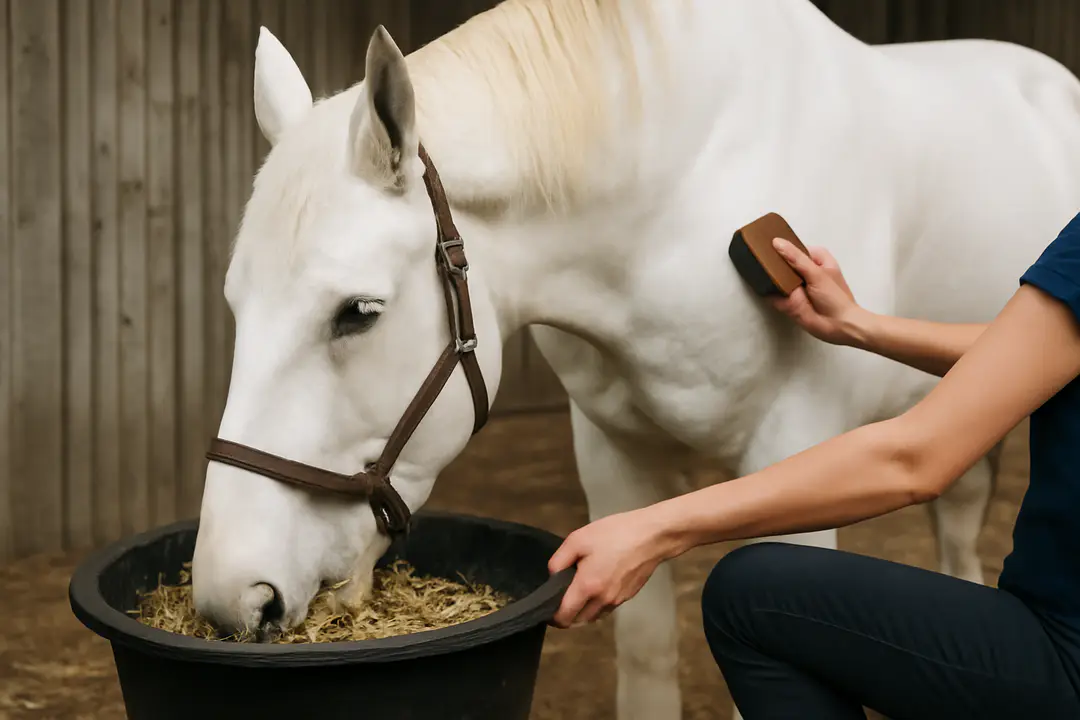
Grooming is vital to keep that white coat bright. Regular brushing removes dirt and prevents staining. For best results, follow detailed grooming tips found in our Shire guide. Use a whitening shampoo sparingly to handle stubborn stains. Rinse thoroughly to avoid skin irritation.
Check their skin under the mane and tail for sores. White horses can have sensitive areas prone to sunburn or mud rash. Apply a horse-safe sunscreen or use light coverings in hot months. After turnout in muddy fields, clean legs daily to avoid hoof infections.
Provide clean water at all times. Draft horses drink 20 to 30 gallons each day. In cold weather, ensure water sources do not freeze. Heated buckets or tank de-icers work well. Proper hydration aids digestion and overall health.
Practical tip: maintain a feeding log. Record daily hay weight, grain type, and any supplements. Note changes in weight or coat condition. This log helps you and your vet spot trends early and adjust the diet as needed.
Keep stall bedding fresh and absorbent. White Shires show stains clearly, so clean stalls often. Deep clean mats and wash down walls monthly. A dry environment reduces respiratory issues and skin problems. With consistent care, your white Shire will remain healthy and look its best.
Training and Uses
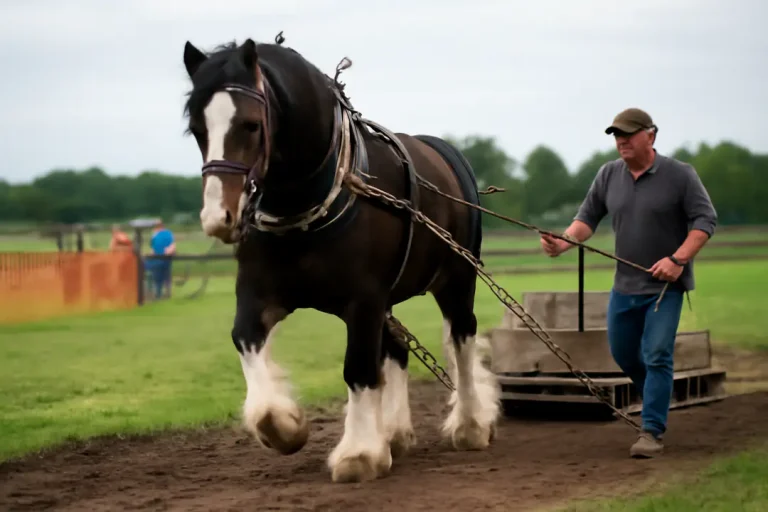
White Shire horses adapt to many roles. On farms, they pull carts, wagons, and logs. In shows, they compete in draft classes and driving competitions. Some riders use them for leisure rides and trail outings. Their calm nature makes them safe partners for less experienced equestrians.
Basic training starts with halter leading. Teach them to stop, go, and back safely. Use consistent voice commands and body language. Once they master groundwork, introduce harness or saddle work. Start with short sessions and build up to longer workouts. This approach builds strength and confidence.
For driving, ensure your cart or wagon is rated for 2,000 pounds or more. Check shafts clear the horse’s flanks. Practice turns and stops in an open field free of obstacles. Gradually add weight to the wagon as the horse grows stronger. Always warm up with a walk to loosen muscles.
Under saddle, choose a draft saddle that supports their back shape. Have a professional fitter check the fit. Practice transitions between walk, trot, and canter. Focus on balance at slower gaits before moving on. Reward progress with breaks and positive reinforcement.
White Shires also excel in therapy or parade work. Their steady step and gentle eyes comfort riders in therapeutic programs. In parades, their bright coat and calm demeanor make them crowd favorites. Proper training and exposure to noise ensure they remain untroubled by applause and marching bands.
Pro tip: use clicker training to reinforce good behavior. Click at the precise moment they respond correctly, then offer a treat. This method speeds up learning for complex tasks. Whether pulling logs or carrying riders, clear communication leads to success.
Selecting Your Foal
Choosing a white Shire foal begins with breeder research. Look for farms with transparent health records and DNA testing. Ask for parent age, health history, and previous foal information. A reputable breeder will share x-ray and gene test results freely.
At foal exams, check the legs for straight alignment. Bow legs or knock knees can lead to joint issues later. Observe the foal’s movement. Walk and trot them in a straight line. A steady gait at a young age predicts sound performance as an adult.
Assess the coat and skin early. White foals can have pink skin, which may need special sun protection. Examine the ears and muzzle for sensitivity. Ensure there are no open patches or sores. Early detection of skin issues helps avoid future discomfort.
Inspect the foal’s hooves. They should have a round shape with even walls. Ask about the farm’s farrier schedule. Regular hoof trimming supports healthy growth. Inquire if the breeder uses corrective shoeing for any minor hoof faults.
Behavior is also important. A curious foal that approaches you freely shows confidence. Nervous or overly shy foals may need extra handling to build trust. Spend time with the foal under the breeder’s supervision. This gives you a clear idea of its personality.
Before final purchase, review the sales contract carefully. Check clauses on health guarantees and return policies. Some breeders offer buy-back or rehoming clauses if issues arise. This peace of mind can save stress and unexpected costs down the road.
Conclusion
White Shire horses offer a unique blend of history, size, and gentle character. By learning about their origins, genetics, and special grooming needs, owners can prevent skin problems and maintain that striking white coat. Considering practical details like stall dimensions, diet logs, and training methods ensures both comfort and safety for horse and handler.
Whether you seek a draft partner for farm work, a calm mount for therapeutic riding, or a stunning show horse, the white Shire stands ready. Early foal selection based on health records and temperament sets a solid foundation. Daily care routines, from proper feeding to effective grooming, protect your investment and strengthen your bond.
Every detail ties back to understanding the white Shire’s needs. With the right tools, plans, and support from experienced breeders, you can enjoy the gentle power of these majestic horses. Embrace their story, follow proven care practices, and relish the rewards of sharing your life with a white Shire horse.