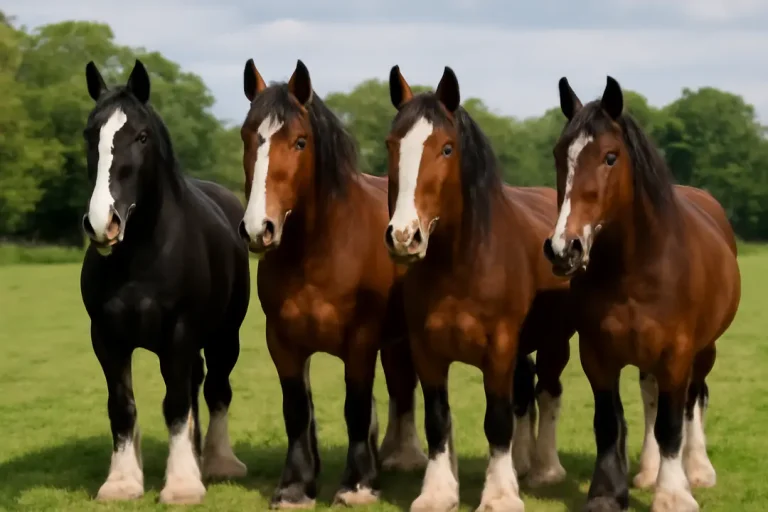

Shire Horse Shows Planning and Winning Strategies
There’s something magical about Shire Horse Shows, where these gentle giants step into the limelight and showcase their strength and grace. Yet, many enthusiasts overlook how the atmosphere and community at these events can make or break the experience. Have you ever wondered why some shows feel more welcoming and enriching than others?
It often comes down to understanding the community vibe and how to connect with fellow handlers, judges, and fans. By paying attention to this aspect, you can make informed decisions on which shows to attend, build lasting relationships, and avoid feeling out of place in a crowd. Let’s dive into these nuances and ensure your next Shire horse show is unforgettable.
Event Atmosphere and Community
Walking into a Shire Horse Show for the first time, you might feel overwhelmed by the bustling stalls, the scent of hay, and the chatter of excited spectators. What truly sets one event apart from another is the community spirit. Friendly competitors offering tips, seasoned handlers eager to share stories, and volunteers guiding newcomers all shape the overall mood.

To make the most of this atmosphere:
- Arrive early to meet organizers and get a feel for the layout.
- Join any pre-show mixers or informal gatherings.
- Be open to conversations; you’ll learn about local stables, upcoming events, and training hacks.
These interactions build connections that often lead to future show invitations or training partnerships. As you chat, you’ll discover which events focus on fun demonstrations versus serious competition. This insight helps you pick the best shows for your goals and personality.
Preparations and Training
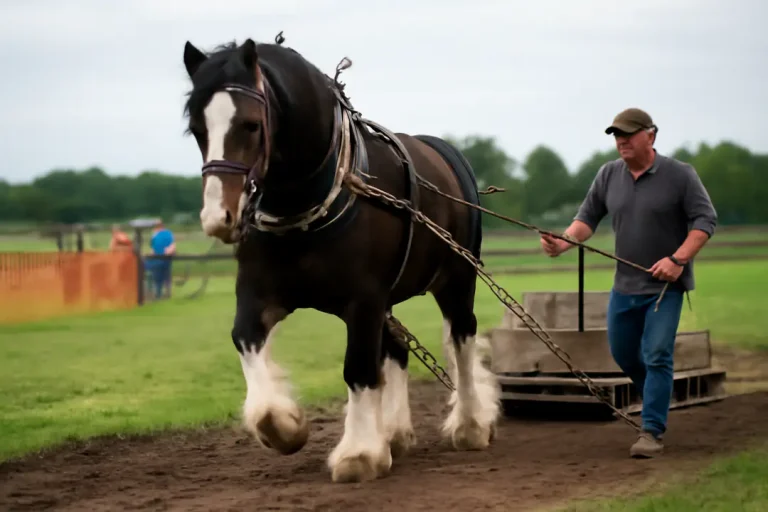
Preparing your Shire for the spotlight involves more than polishing hooves. The right conditioning routine ensures your horse moves confidently in the ring. Many handlers use targeted exercises to build muscle tone and improve gait. Start with light groundwork sessions to reinforce obedience and then introduce ring-like obstacles to simulate show conditions.
Working with a trainer familiar with large draft breeds can speed progress. For instance, insights from training tips tailored to Shire horses help refine performance. Incorporate rest days and adjust feeding to maintain optimal weight. A balanced diet rich in fiber and key nutrients supports energy without excess bulk.
Don’t forget grooming as part of training—clean, well-brushed coats and braided manes enhance presentation. Practice tacking up quickly and calmly. Rehearse entering and exiting patterns until both you and your horse feel at ease. This preparation minimizes nerves on show day and boosts your confidence in the ring.
Judging Criteria Insights
Understanding what judges look for can give you a competitive edge. In most Shire horse shows, criteria include conformation, movement, temperament, and overall condition. Conformation judges assess bone structure, muscle development, and proportions. Well-balanced legs and a strong back are key features.
Movement scores reflect cadence, stride length, and the horse’s willingness to move forward. Judges favor smooth, ground-covering gaits. Temperament plays a role too—calm, responsive horses earn higher marks. Show your Shire’s best side by practicing a steady walk, trot, and halt under various conditions.
Before competing, review the show’s rulebook. Some events weigh certain traits more heavily. Ask past winners for tips on presentation. For example, maintaining consistent eye contact with the judge and keeping a tidy tack setup demonstrate professionalism. Knowing these standards prevents surprises and helps your horse shine under scrutiny.
Show Day Logistics
Managing the day’s schedule is crucial to keep stress low. Plan your arrival time to allow two hours before your class. Use that window for stall setup, warming up, and last-minute tack checks. Bring essentials: water buckets, grooming kit, first-aid supplies, and snacks for both you and your horse.

Consider where to park your trailer and unload. Select a shaded spot if possible, as Shires can overheat. Tie your horse in view of the warm-up ring so you can monitor progress. Be mindful of noise levels; draft breeds often spook at sudden sounds.
For overnight stays, understanding boarding costs helps budget effectively. Confirm amenities like turnout paddocks, feed availability, and staff support. Clear communication with the host stable ensures you meet all requirements and avoid last-minute surprises.
Costs and Budgeting
Attending Shire Horse Shows involves various expenses. Knowing typical costs helps you plan financially and avoid unexpected bills. Here’s a breakdown:
- Entry Fees: Generally $50–$150 per class, depending on prestige.
- Stabling and Bedding: Around $25–$60 per night.
- Travel and Fuel: Varies by distance—estimate $0.50–$1 per mile for towing.
- Feed and Supplements: Budget $15–$30 per day for specialized diets.
- Grooming and Show Supplies: Initial kit can run $100–$200; refill items cost less.
Factor in trainer fees if you hire professional help. Bulk-booking multiple shows often brings discounts on stabling. Keep a spreadsheet to track payments, and always read refund policies in case of cancellations. By forecasting these costs, you stay organized and stress-free.
Choosing Your Entry
Selecting the right class or show aligns with your horse’s experience and your goals. Smaller local fairs offer relaxed environments ideal for first-timers. Larger county or state fairs feature stronger competition and more judges, which can boost your credentials if you place well.
Use this comparison to guide your choice:
| Show Type | Atmosphere | Cost | Competition Level |
|---|---|---|---|
| Local Fair | Casual, friendly | Low | Beginner to Intermediate |
| Regional Show | Organized, supportive | Moderate | Intermediate |
| State/National | Formal, high-profile | High | Advanced |
Deciding where to start also involves logistics. If you’re purchasing a Shire, choose shows near reputable breeders who exhibit regularly. Observing their performance gives insight into bloodlines and handling techniques. Align your show selection with your long-term goals—whether building a show record or simply enjoying quality time with your Shire.
With these insights, your next Shire Horse Show will be more than an event—it will be an experience that builds confidence, community, and lasting memories.