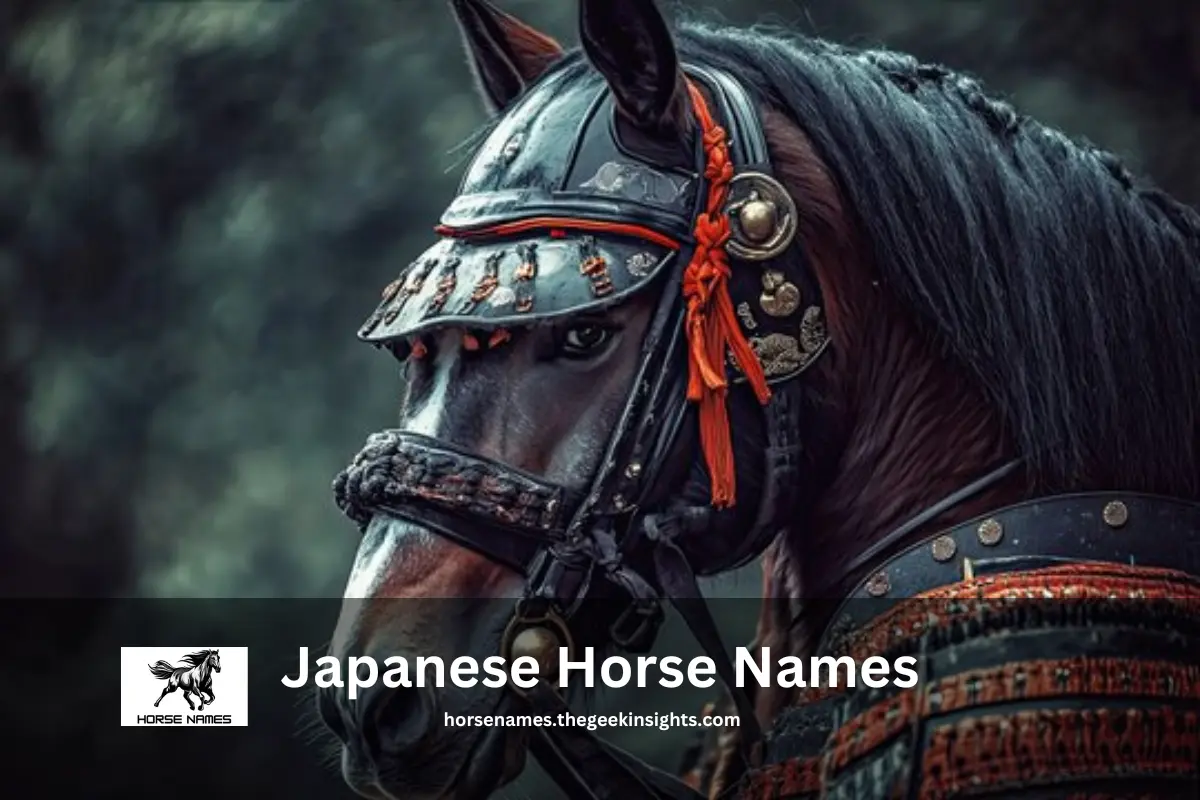
Japanese Horse Names: A Guide to Unique and Meaningful Choices
Japanese horse names carry deep meaning and reflect the country’s rich culture. Choosing a name for a horse is not just a personal decision but also a reflection of tradition and symbolism. These names can embody qualities like strength, elegance, and beauty, inspired by nature, mythology, or historical significance.
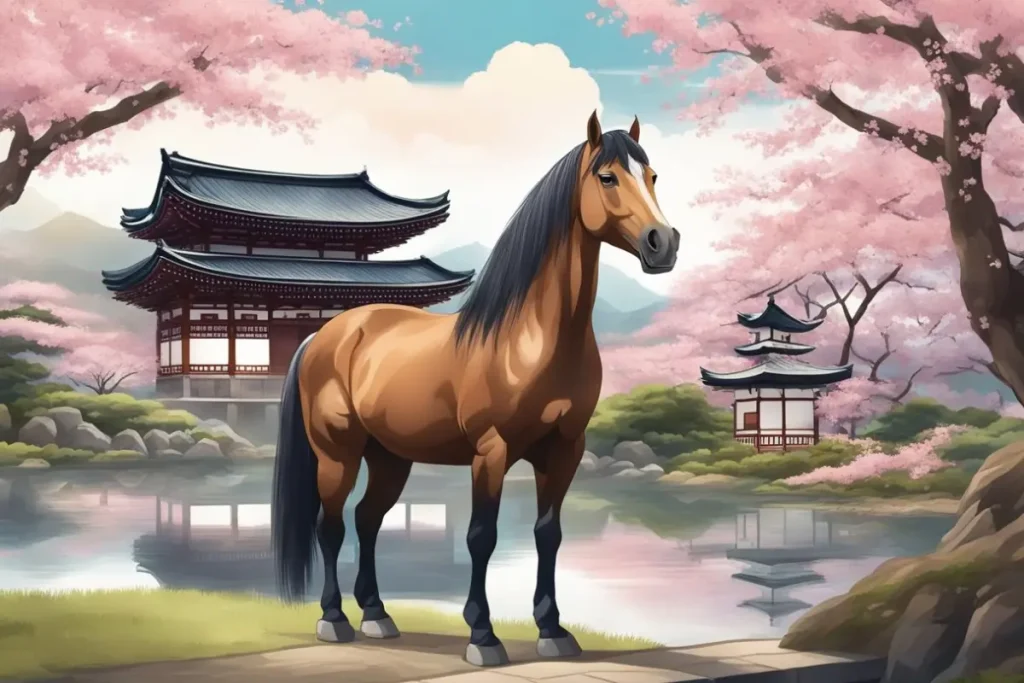
For those looking to find the perfect name, understanding the cultural context and significance is essential. Many names also celebrate famous racehorses, connecting wellbeing with a legacy and admiration of the animal’s traits. By exploring these names, owners can discover options that resonate with their horse’s character and spirit.
Japanese Horse Names (with meaning)
Here’s a list of Japanese horse names, inspired by nature, mythology, and Japanese culture:
1. Nature-Inspired Names
- Kaze (風) – Wind
- Sora (空) – Sky
- Hikari (光) – Light
- Tsuki (月) – Moon
- Yama (山) – Mountain
- Mizu (水) – Water
- Kumo (雲) – Cloud
- Sakura (桜) – Cherry blossom
- Umi (海) – Ocean
- Aoi (青い) – Blue
- Hinata (日向) – Sunny place
- Hana (花) – Flower
- Nami (波) – Wave
- Ryu (竜) – Dragon
- Taka (鷹) – Hawk
- Shiro (白) – White
- Akane (茜) – Deep red
- Kawa (川) – River
- Hayate (疾風) – Swift wind
- Kurenai (紅) – Crimson
2. Mythology and Folklore-Inspired Names
- Amaterasu (天照) – Sun goddess
- Susanoo (スサノオ) – Storm god
- Fujin (風神) – God of wind
- Raijin (雷神) – God of thunder
- Byakko (白虎) – White tiger
- Kirin (麒麟) – Mythical unicorn-like creature
- Orochi (大蛇) – Giant serpent
- Tengoku (天国) – Heaven
- Seiryu (青龍) – Azure dragon
- Yatagarasu (八咫烏) – Mythical three-legged crow
- Kagutsuchi (迦具土) – God of fire
- Takemikazuchi (建御雷) – God of thunder and swordsmanship
- Inari (稲荷) – God of rice and foxes
- Hachiman (八幡) – God of war
- Tsukuyomi (月読) – Moon god
- Izanagi (伊邪那岐) – Creator god
- Izanami (伊邪那美) – Creator goddess
- Suzaku (朱雀) – Vermilion bird
- Ryujin (龍神) – Dragon god
- Hime (姫) – Princess
3. Elegant and Poetic Names
- Yume (夢) – Dream
- Tenshi (天使) – Angel
- Akatsuki (暁) – Dawn
- Kohaku (琥珀) – Amber
- Haruka (遥) – Distant
- Asahi (旭) – Morning sun
- Suzume (雀) – Sparrow
- Ren (蓮) – Lotus
- Midori (緑) – Green
- Kanade (奏) – Melody
- Ayaka (彩花) – Colorful flower
- Rikka (立花) – Standing flower
- Shizuku (雫) – Water droplet
- Fubuki (吹雪) – Snowstorm
- Kasumi (霞) – Mist
- Yukiko (雪子) – Snow child
- Hotaru (蛍) – Firefly
- Mizuki (瑞希) – Auspicious moon
- Kaede (楓) – Maple
- Michiru (満) – Full or complete
4. Powerful and Fierce Names
- Ginga (銀河) – Galaxy
- Raiden (雷電) – Thunder and lightning
- Kiba (牙) – Fang
- Tsubasa (翼) – Wings
- Taiga (大河) – Big river
- Senshi (戦士) – Warrior
- Hono (炎) – Flame
- Ikazuchi (雷) – Thunder
- Shiden (紫電) – Purple lightning
- Kazan (火山) – Volcano
- Arashi (嵐) – Storm
- Ranmaru (蘭丸) – Famous samurai name
- Kuro (黒) – Black
- Takeshi (武) – Warrior
- Tatsumaki (竜巻) – Tornado
- Kensei (剣聖) – Sword saint
- Makoto (誠) – Sincerity
- Rikuto (陸翔) – Land and flight
- Yamato (大和) – Great harmony
- Zanshin (残心) – Focused spirit
5. Cute and Adorable Names
- Mochi (もち) – Rice cake
- Pochi (ポチ) – Classic pet name
- Hoshi (星) – Star
- Chibi (ちび) – Small
- Momo (桃) – Peach
- Riko (莉子) – Child of jasmine
- Taro (太郎) – Eldest boy (often used affectionately)
- Kiki (キキ) – Playful and cute
- Mimi (みみ) – Ears
- Fuku (福) – Blessing
- Choco (チョコ) – Chocolate
- Tama (玉) – Jewel
- Neko (猫) – Cat
- Peko (ペコ) – Adorable pet name
- Yuki (雪) – Snow
- Coco (ココ) – Sweet name
- Pika (ピカ) – Sparkle
- Rara (ララ) – Joyful
- Lala (ララ) – Melody
- Popo (ポポ) – Fluffy
Check out Biblical Horse Names: Unique Inspirations from Scripture
6. Noble and Graceful Names
- Akiko (明子) – Bright child
- Himeko (姫子) – Princess child
- Masami (正美) – Elegant beauty
- Nobuko (信子) – Faithful child
- Reika (礼花) – Gracious flower
- Sachiko (幸子) – Happy child
- Takako (高子) – Noble child
- Yukari (縁) – Connection
- Mayumi (真弓) – True bow
- Kiyomi (清美) – Pure beauty
- Emiko (恵美子) – Blessed beauty
- Michiko (道子) – Child of the path
- Reina (麗奈) – Lovely
- Tomoe (巴) – Circle
- Chisato (千里) – Thousand miles
- Etsuko (悦子) – Joyful child
- Sumire (菫) – Violet
- Narumi (鳴海) – Sound of the sea
- Seiko (聖子) – Holy child
- Rina (里奈) – Village greens
7. Samurai and Warrior-Inspired Names
- Musashi (武蔵) – Inspired by Miyamoto Musashi, a legendary samurai
- Kenshin (謙信) – From Uesugi Kenshin, a famous warlord
- Nobunaga (信長) – A powerful daimyo in Japanese history
- Hideyoshi (秀吉) – A unifier of Japan
- Masamune (正宗) – Renowned swordsmith
- Takeda (武田) – From Takeda Shingen, a famous samurai
- Katana (刀) – Sword
- Toshiro (俊郎) – Talented or clever
- Raikou (雷光) – Lightning warrior
- Yoritomo (頼朝) – First shogun of Japan
- Kensei (剣聖) – Sword saint
- Yukimura (幸村) – From Sanada Yukimura, a heroic samurai
- Hattori (服部) – From Hattori Hanzo, a famous ninja
- Bushi (武士) – Warrior or samurai
- Ranmaru (蘭丸) – Loyal retainer of Nobunaga
- Masaki (正木) – Upright tree (strength)
- Daisho (大小) – Refers to paired samurai swords
- Katsu (勝) – Victory
- Ieyasu (家康) – Tokugawa Ieyasu, founder of the Tokugawa shogunate
- Sasaki (佐々木) – A clan name tied to samurai heritage
8. Seasonal Names
- Haru (春) – Spring
- Fuyu (冬) – Winter
- Aki (秋) – Autumn
- Natsu (夏) – Summer
- Sakura (桜) – Cherry blossom (spring)
- Koyo (紅葉) – Autumn leaves
- Yukina (雪菜) – Snow and greens
- Momiji (紅葉) – Maple leaf
- Hinata (日向) – Sunny place
- Tsubaki (椿) – Camellia (winter bloom)
- Hatsuyuki (初雪) – First snow
- Akibare (秋晴れ) – Clear autumn sky
- Shigure (時雨) – Late autumn rain
- Koharu (小春) – Indian summer
- Manatsu (真夏) – Midsummer
- Fuyuzora (冬空) – Winter sky
- Shinryoku (新緑) – Fresh green of early summer
- Hanami (花見) – Flower viewing
- Samidare (五月雨) – Early summer rain
- Suzukaze (涼風) – Cool breeze
9. Historical Names
- Heian (平安) – Peace, the Heian period
- Edo (江戸) – Edo period, old Tokyo
- Meiji (明治) – Era of enlightenment
- Showa (昭和) – Era of harmony and peace
- Taisho (大正) – Great righteousness
- Nara (奈良) – Ancient capital city
- Kyoto (京都) – Capital city of tradition
- Hokkaido (北海道) – Northern island
- Fujiwara (藤原) – Influential aristocratic clan
- Minamoto (源) – Ancient samurai clan
- Kamakura (鎌倉) – Samurai government
- Azuchi (安土) – From Azuchi-Momoyama period
- Sengoku (戦国) – Warring States period
- Satsuma (薩摩) – Historic samurai province
- Ryukyu (琉球) – Okinawan kingdom
- Tosa (土佐) – Region famous for samurai
- Kaga (加賀) – Historic province of crafts
- Osaka (大阪) – Historic trade city
- Takamagahara (高天原) – Mythical heavenly plain
- Yamato (大和) – Ancient name for Japan
10. Anime and Pop Culture-Inspired Names
- Ghibli (ジブリ) – From Studio Ghibli
- Totoro (トトロ) – From My Neighbor Totoro
- Haku (白) – From Spirited Away
- Chihiro (千尋) – From Spirited Away
- Naruto (ナルト) – From Naruto
- Sasuke (サスケ) – From Naruto
- Aoi (葵) – From Demon Slayer
- Tanjirou (炭治郎) – From Demon Slayer
- Mikasa (ミカサ) – From Attack on Titan
- Levi (リヴァイ) – From Attack on Titan
- Goku (悟空) – From Dragon Ball
- Vegeta (ベジータ) – From Dragon Ball
- Inuyasha (犬夜叉) – From Inuyasha
- Kagome (かごめ) – From Inuyasha
- Ashitaka (アシタカ) – From Princess Mononoke
- San (サン) – From Princess Mononoke
- Shinji (シンジ) – From Evangelion
- Rei (レイ) – From Evangelion
- Akira (アキラ) – From Akira
- Rengoku (煉獄) – From Demon Slayer
Also, check out Scottish Horse Names: A Guide to Unique and Traditional Selections
11. Food-Inspired Names
- Mochi (もち) – Sweet rice cake
- Dango (団子) – Dumpling
- Matcha (抹茶) – Green tea
- Taiyaki (たい焼き) – Fish-shaped cake
- Sushi (寿司) – Popular dish
- Sake (酒) – Rice wine
- Ramen (ラーメン) – Noodle dish
- Onigiri (おにぎり) – Rice ball
- Katsu (カツ) – Cutlet
- Miso (味噌) – Soybean paste
- Yuzu (柚子) – Citrus fruit
- Anko (あんこ) – Sweet red bean paste
- Tofu (豆腐) – Soybean curd
- Udon (うどん) – Thick noodles
- Soba (そば) – Buckwheat noodles
- Tempura (天ぷら) – Fried dish
- Wasabi (わさび) – Spicy condiment
- Gyoza (餃子) – Dumpling
- Bento (弁当) – Lunchbox
- Wagashi (和菓子) – Traditional sweets
12. Zen and Spiritual Names
- Zenshin (善心) – Good heart
- Komorebi (木漏れ日) – Sunlight through trees
- Ensou (円相) – Zen circle
- Myou (妙) – Wondrous
- Anshin (安心) – Peaceful mind
- Seijaku (静寂) – Serenity
- Kaizen (改善) – Continuous improvement
- Kokoro (心) – Heart or mind
- Kannon (観音) – Goddess of mercy
- Shizen (自然) – Nature
- Kintsugi (金継ぎ) – Golden repair
- Jinen (自然) – Naturalness
- Mushin (無心) – No mind
- Fudo (不動) – Immovable
- Ryokan (良寛) – Zen monk
- Satori (悟り) – Enlightenment
- Reiki (霊気) – Spiritual energy
- Hannya (般若) – Wisdom
- Shikoku (四国) – Four truths
- Zazen (座禅) – Seated meditation
Historical Significance of Japanese Horse Names
Japanese horse names carry deep historical and cultural meaning. Many names are derived from traditional words that reflect values and characteristics important to Japanese society.
Certain names link to samurai culture, emphasizing honor and discipline. For instance, the name Bushido relates to the samurai code of conduct, symbolizing a noble spirit.
Nature plays a vital role in these names as well. Names like Sakura (cherry blossom) evoke beauty and fleeting moments, reflecting the Japanese appreciation for nature.
Some names have ties to mythology and folk tales. Names such as Yamato may reference the ancient Japanese state, symbolizing strength and heritage.
Naming a horse often involves choosing an identity that resonates with specific traits. This connection to cultural values shows a unique bond between the horse and its owner.
These names are not just labels; they tell stories about tradition and history. Each name selected carries a legacy that honors the horse’s qualities and significance.
This rich naming practice highlights how horses are cherished in Japanese culture, symbolizing strength, beauty, and honor through carefully chosen names.
Cultural Importance of Naming Horses in Japan
In Japan, naming horses holds significant cultural meaning. Each name can reflect the horse’s attributes or characteristics. This tradition connects to the belief in harmony between humans and nature.
Many names draw inspiration from nature, mythology, or virtues. For example, names like Asahi (Morning Sun) symbolize new beginnings. Others, like Katsu (Victorious), denote strength and resilience.
The act of naming is often a careful process. Owners typically consider both the sound and meaning of the name. This ensures that the name represents the horse’s spirit.
In Japanese culture, names can honor history and legacy. Some horses are named after famous figures or legendary horses. This connection adds depth and respect to the relationship between owner and horse.
Moreover, names can influence how horses are perceived in competitive settings. A strong, meaningful name may evoke respect from others. This shows how culture intertwines with the everyday lives of horse owners.
Overall, naming horses in Japan reflects a blend of personal sentiment and cultural tradition. Each name is a celebration of the horse’s individuality and a respectful nod to the profound bond shared with their owners.
Naming Conventions and Practices
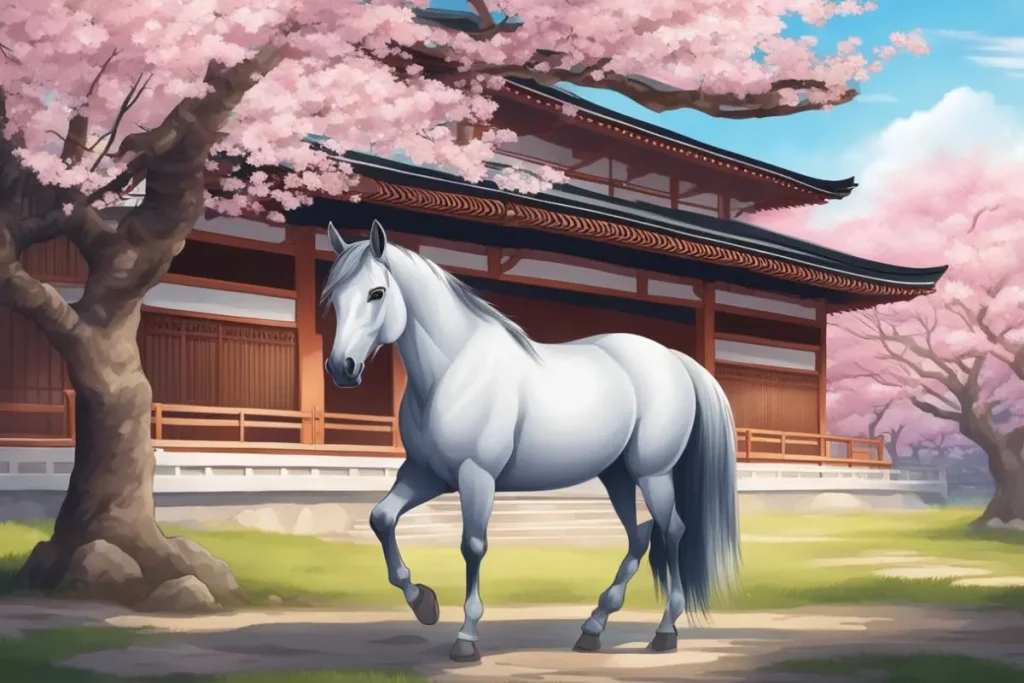
In Japan, naming horses involves rich traditions and careful thought. Various elements influence these names, including language, lineage, and natural characteristics. Each name often reflects the horse’s heritage, qualities, or connection to nature.
Kanji in Horse Names
Kanji characters play a vital role in Japanese horse names. These characters often carry specific meanings and are selected to represent the horse’s traits.
For example, a horse named “Kaze” (風) means “wind,” suggesting speed and agility. Another name, “Hikari” (光), translates to “light,” which can symbolize hope or brightness.
The use of kanji also adds an artistic element, often making the name unique. Owners may choose characters based on personal significance, history, or to honor the horse’s ancestry, contributing to a deeper connection with the animal.
Influence of Breeding Lineage
Breeding lineage significantly affects naming practices in Japan. Horses often inherit names that reflect their familial ties.
For instance, names may include parts that reference famous horses in their lineage. This practice helps maintain a connection to their prestigious ancestors and promotes the horse’s status in the community.
Names that highlight lineage can also serve as marketing tools. Horses from renowned bloodlines may draw more attention and higher prices, making the choice of name especially important for breeders seeking to showcase their horses’ legacy.
Seasonal and Nature-Inspired Names
Japanese culture deeply respects nature, and this is evident in horse naming. Many names draw inspiration from the seasons or natural elements.
Examples include “Sakura” (桜) for cherry blossoms, reflecting beauty and transience, or “Yuki” (雪), which means “snow,” suggesting purity and grace.
These names may change with seasons, leading to varied choices based on the time of year or the horse’s characteristics during specific weather. Nature-themed names often convey a sense of place, linking the horse to its environment and cultural heritage.
Names Reflecting Horse Traits
Selecting a name that reflects a horse’s distinct traits is common in Japan. Owners pay attention to the animal’s personality, appearance, and abilities.
For instance, a strong and resilient horse may be named “Taka” (鷹), meaning “hawk,” to symbolize strength and agility. Conversely, a gentle horse might be called “Yasashi” (優しい), meaning “gentle.”
This thoughtful naming approach helps create a bond between the horse and its owner. It also fosters a greater understanding of the horse’s qualities, which can enhance training methods and care tailored to the individual animal.
Famous Japanese Racehorses

Japan has produced many legendary racehorses that have made a mark in the world of equestrian sports. Some of the most notable include:
- Deep Impact
Often regarded as the greatest Japanese racehorse, Deep Impact won 12 out of 14 races. He became a household name and is known for his impressive performances on the track. - Almond Eye
Almond Eye is a two-time Horse of the Year winner. She retired as the highest-earning thoroughbred in Japan, showcasing her exceptional talent throughout her racing career. - Gentildonna
This mare is known for her strong presence on the racetrack. She won the Japanese Fillies Triple Crown in 2012 and is the daughter of Deep Impact. - Harp Star
Harp Star claimed fame with her spectacular wins, including her victory in the 2014 Japanese Oaks. Her racing style and speed earned her a loyal following. - Buena Vista
A popular racehorse in the late 2000s, Buena Vista won multiple titles, including the Japan Cup. Its performances solidified its status in Japanese racing history.
These racehorses represent the excellence of Japanese breeding and training, paving the way for future champions in the sport. Their achievements have not only brought glory to their owners but have also captured the hearts of racing fans worldwide.
Traditional vs. Modern Trends in Naming
The naming of horses in Japan reflects both cultural heritage and contemporary influences. Traditional names often convey deep meanings, while modern trends adopt a mix of global influences and popular culture.
Impact of Globalization
Globalization has significantly influenced Japanese horse naming trends. Traditional names, steeped in history, are now often paired with modern elements. As people connect worldwide, many horse owners look to names that resonate beyond cultural borders.
Names inspired by foreign languages or themes are becoming popular. For instance, names based on famous horses from Western cultures are now common in Japan. This blending allows owners to express a global identity through their horse’s name.
Adoption of Western Naming Practices
The shift toward Western naming practices has transformed how horses are named in Japan. Many modern horse owners adopt names that reflect contemporary trends, often borrowing from pop culture.
Names inspired by movies, songs, and popular figures have emerged. This trend allows for a unique twist on traditional Japanese names. Some owners choose names that sound chic and are easy to pronounce in multiple languages.
Such choices highlight a desire for distinctiveness while still honoring a rich cultural legacy. This evolution is evident as more horses proudly carry names that bridge both traditional and modern worlds.
Role of Japanese Horse Names in Literature and Media
Japanese horse names often reflect cultural heritage, history, and mythology. They add depth and character to stories, whether in literature, anime, or films.
In anime and manga, horses are frequently depicted with meaningful names. These names enhance the story by symbolizing traits like strength or loyalty. For example, a horse named Ryu refers to a dragon, highlighting its fierce nature.
In literature, horse names also play a role. They can represent significant themes or qualities of characters. Names like Asahi (Morning Sun) suggest hope and new beginnings. Such symbolism creates a strong connection with readers.
Films featuring horses, like Spirit: Stallion of the Cimarron, demonstrate how names contribute to storytelling. A horse’s name may signify its journey or personality, enriching the visual narrative.
Furthermore, naming horses after historical figures or mythological creatures reflects Japan’s rich tradition. For instance, Kirin, a mythical creature, embodies elegance and strength.
In various media, these names resonate emotionally with audiences. They create memorable experiences and enhance character development. This connection to deeper meanings engages fans of all ages.
Japanese horse names are more than labels; they are integral to the storytelling process across various forms of media.
Frequently Asked Questions
Many people have questions about choosing Japanese names for horses. This section covers how to select a name, traditional female names, cultural meanings, and connections to mythology.
How do I choose a Japanese name for a male horse?
To choose a Japanese name for a male horse, consider the horse’s personality and characteristics. Names can be selected based on traits like strength, speed, or elegance. Looking into meanings will help find a perfect fit.
What are some traditional Japanese names for female horses?
Traditional Japanese names for female horses often reflect qualities such as beauty or grace. Examples include names like “Yuki,” meaning snow, and “Sakura,” meaning cherry blossom. These names capture the essence of nature and femininity.
Where can I find the meanings behind popular Japanese horse names?
Many websites offer lists of Japanese horse names along with their meanings. For deeper cultural insights, it is useful to explore books or articles about Japanese language and culture. Online resources often provide explanations about the significance of each name.
Who is the deity associated with horses in Japanese mythology?
In Japanese mythology, the deity Hachiman is often associated with horses. Hachiman is the god of war and protector of warriors, and horses were important in warfare. They symbolize strength and loyalty in his mythology.
What term is used to describe the horses that samurai rode?
The term used to describe the horses that samurai rode is “bajirao” or “bajitsu.” These horses were specially bred for their agility and strength. They played a significant role in samurai culture and warfare.
Can you suggest some unique Japanese-inspired names for horses?
Unique Japanese-inspired names for horses could include “Kizuna,” meaning bond, or “Tsubasa,” meaning wings. These names reflect deeper meanings and are perfect for a horse with a special connection to its owner. Other options include “Rei,” meaning spirit, highlighting a horse’s vitality.
FURTHER READING