
Daily Care Routine for Shire Horse Every Owner Needs
Caring for a Shire horse goes beyond feeding and turnout—it’s about consistency and attention every single day. Yet many owners miss the importance of a structured morning health check to catch small issues before they grow. Why could these simple daily inspections be the key to preventing costly vet visits and ensuring your gentle giant stays sound?
By understanding the value of routine hoof and body checks, you’ll build a solid foundation for your horse’s well-being. Spotting early signs of discomfort or changes in behavior helps you make informed choices about diet, exercise, and vet care. That proactive approach keeps your Shire horse happy, healthy, and ready for any task.
Morning Health Check
First light in the barn sets the tone for your Shire horse’s day. A quick inspection can catch small issues before they grow. Start by noting his attitude as you enter the stall. Does he look bright, alert, and curious? A dull or withdrawn expression may point to pain or illness.
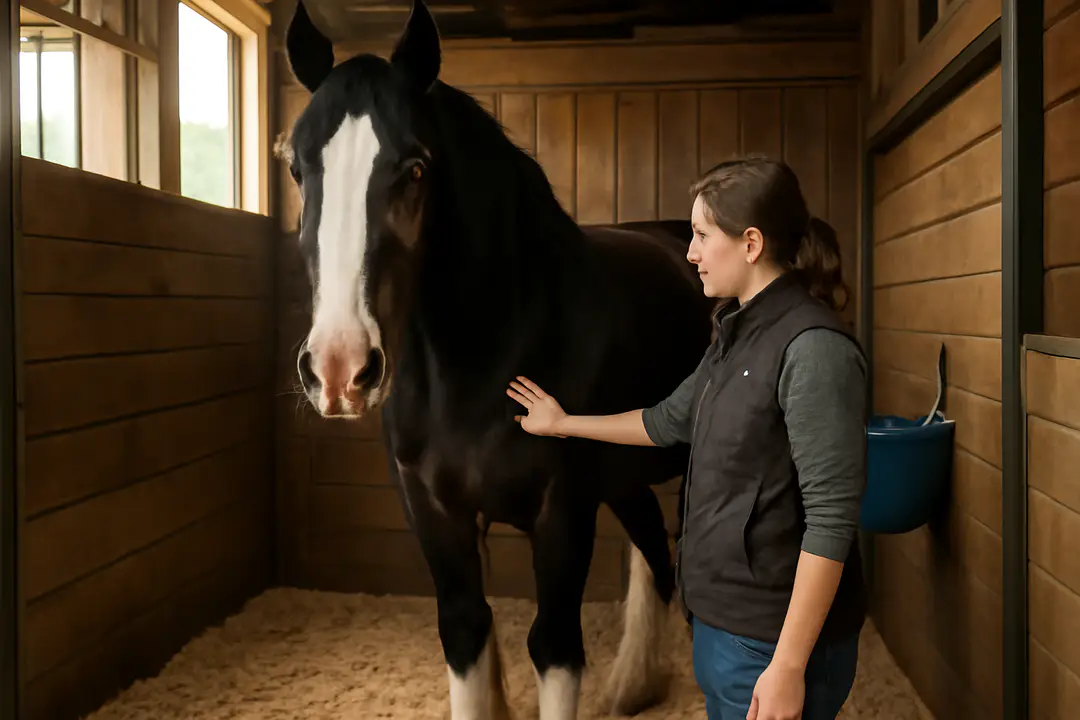
Next, assess vital signs. Feel his chest for heart rate—aim for 28–44 beats per minute. Watch his flanks to count breaths, targeting 8–16 breaths per minute. Any rapid or shallow pattern deserves prompt attention.
Scan the body for cuts, swelling, or heat along legs and joints. Clean small nicks with antiseptic to stop infection. Refill water buckets and note intake—less drinking can signal colic or dehydration.
Refresh stall bedding to keep hooves dry and comfortable. Wet, soiled shavings can lead to thrush and skin issues. Finally, check hay supply and cleanup any waste in the feeder.
Follow these steps each morning:
- Inspect appearance and behavior
- Check heart and respiration
- Scan body for injuries
- Refill water and note consumption
- Refresh bedding
Doing this routine builds your knowledge of his normal state. Small, daily efforts save big headaches later.
Balanced Feeding Plan
Shire horses need a diet that supports their big frames and slow metabolisms. Good nutrition begins with quality forage. Offer fresh hay or pasture at all times to keep the gut moving. For a mature Shire, that means roughly 1.5–2% of body weight in forage each day.
Grains and concentrates fill gaps left by forage alone. Use a draft-specific mix with ingredients like oats, barley, and a vitamin-mineral supplement. Low sugar and starch levels prevent excitability and laminitis in heavy horses.
Monitoring body condition is key. You can review ideal weight ranges in our guide on Shire horse weight. Use a scoring system from 1 (emaciated) to 9 (obese) to track changes. Adjust rations if ribs are overly visible or fat bulges appear.
Divide feed into three or four smaller meals instead of one large serving. This mimics natural grazing and reduces gastric risks. Provide 25–50 gallons of fresh water daily and a free-choice salt or mineral block to support hydration.
Seasonal shifts matter too. In winter, adding fat sources like rice bran helps maintain weight. In spring and summer, limit rich pasture to curb excess at grass. Keeping a feeding log with amounts, times, and notes on manure quality reveals trends you can act on.
Consult a nutritionist annually to test hay quality and tweak your plan. Balanced feeding gives your Shire the fuel it needs without unwanted weight swings.
Daily Grooming Steps
Grooming is more than a beauty ritual—it’s a health check. Brushing through thick feather around the hooves exposes mud, stones, or skin issues early. Begin with a soft body brush, working long strokes on the shoulders, back, and hindquarters.
Switch to a firmer brush on legs and lower body. Clear dried mud from feathers to prevent infections. Finish with a damp cloth or sponge around the eyes, muzzle, and dock—sensitive spots that need gentle care.
For detailed tips on tools and techniques, see our advice on how to groom a Shire horse. A curry comb helps loosen dander, and a water brush distributes natural oils without tugging hair.
Spend at least 20 minutes daily on full-body grooming. Reward your horse with a treat to reinforce calm behavior. Don’t forget to inspect the mane and tail—detangle with your fingers first, then work in a light conditioner to avoid breakage.
Finally, clean your tack after each ride or drive. Dirty harnesses irritate skin and wear out faster. Regular tack care completes your grooming routine and ensures comfort for both you and your Shire.
Exercise and Turnout
Shire horses may be giants, but they thrive on daily movement. Turnout in a safe paddock lets them stretch and socialize. Aim for at least a few hours free ranging, adjusting for weather and pasture conditions.

Structured exercise reinforces fitness. Gentle lunging warms up muscles without stressing joints. Warm up at a walk, progress to trot, and finish with cool-down steps. A balanced session reduces injury risk.
Understanding Shire horse behavior helps you tailor workouts. These horses are calm but sensitive to abrupt changes. Introduce new routines gradually and watch for signs of boredom or frustration.
Vary the work: flatwork builds suppleness, light hill climbs strengthen hindquarters, and relaxed trail rides enrich the mind. Ideally, keep sessions to 20–30 minutes of focused activity, followed by walking until heart rate normalizes.
In winter, frozen ground may limit turnout. Use indoor arenas or hand-walking on packed paths, and blanket appropriately between sessions. Consistent daily exercise and turnout boost hoof health, muscle tone, and your horse’s overall spirit.
Hoof Care Routine
Hooves bear your horse’s entire weight, making daily checks essential. Use a hoof pick to clear debris from the frog and sole. Look for cracks, stones, or bruising that could lead to bigger problems.
Inspect each foot for uneven wear. Draft horses often need trimmer intervals of 6–8 weeks because their weight accelerates growth. Overgrown walls can split under pressure and cause lameness.
Below is a simple schedule to keep your Shire’s feet in top shape:
| Task | Frequency | Notes |
|---|---|---|
| Hoof picking | Daily | After morning and evening checks |
| Hoof oil | Weekly | Prevents winter dryness |
| Trimming/shoeing | Every 6–8 weeks | Adjust for growth |
| Farrier inspection | Every visit | Discuss any gait changes |
Record trimming dates and hoof notes in your care log. Wet climates soften hooves—apply a balanced hardener. In dry seasons, more oil treatments stop cracks. Regular professional care plus your daily checks keeps your Shire sound.
Evening Wind-Down
An evening routine seals the day’s work and primes your horse for rest. Lead your Shire into a clean stall or dry paddock. Remove wet or soiled blankets, replacing them if needed to prevent skin irritation.
Offer a small hay snack to settle his digestive tract. Avoid large meals right before bedtime to reduce gas colic risk. Check water buckets again and refill with fresh water—ice-free in winter.
Perform a final body scan. Feel legs and joints for heat or swelling. Listen to breathing for any abnormal sounds once he’s relaxed. Early detection at this stage avoids overnight surprises.
Ensure good barn ventilation. Close stall doors securely but leave a small air vent or mesh panel for fresh air. Proper airflow cuts respiratory issues and keeps flies away.
End with a calm send-off—a gentle pat, soft words, and low lights help your horse unwind. Before you leave, jot any odd behaviors or minor injuries in your care log. That note makes your next morning check efficient and informed.
Consistency in this wind-down builds trust and reduces stress. A relaxed Shire sleeps better, giving you a happier partner tomorrow.
Conclusion
Building a daily care routine for your Shire horse is a journey, not a one-time task. By weaving together morning checks, balanced feeding, thoughtful grooming, proper exercise, hoof attention, and an evening wind-down, you create a safety net for your horse’s health. Each component supports the next, forming a seamless cycle of care.
Consistency helps you spot changes quickly and act before small issues turn serious. The deep bond you forge through daily interaction strengthens trust, and your hands-on knowledge keeps costly surprises at bay. Draft horses of this size demand routine but reward you with strength, loyalty, and quiet companionship.
Whether you’re a seasoned handler or new to Shire horse ownership, following these steps empowers you to make informed decisions and adapt as your horse ages or faces seasonal shifts. Let this guide be your reference, and feel confident that you’re giving your gentle giant the best chances for a long, healthy, and happy life.