Cost of Owning a Shire Horse: Complete Budget Guide
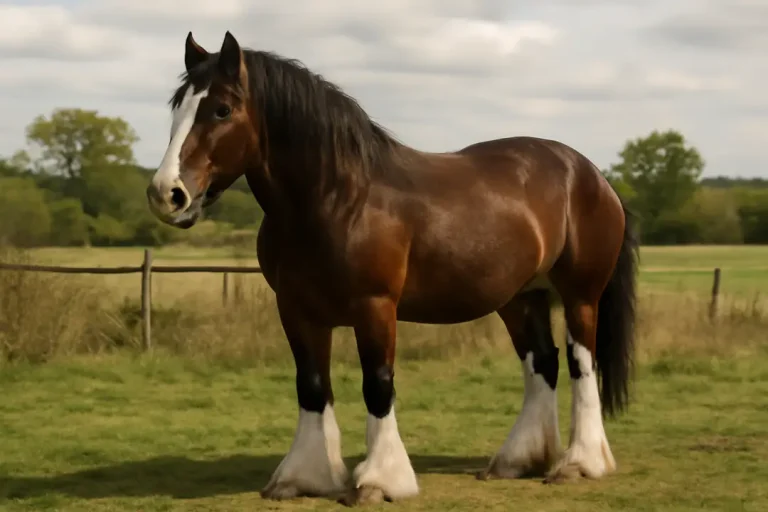
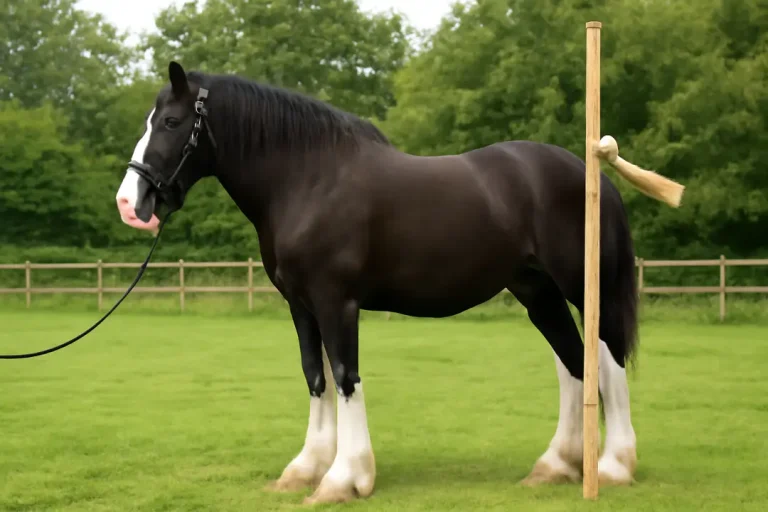
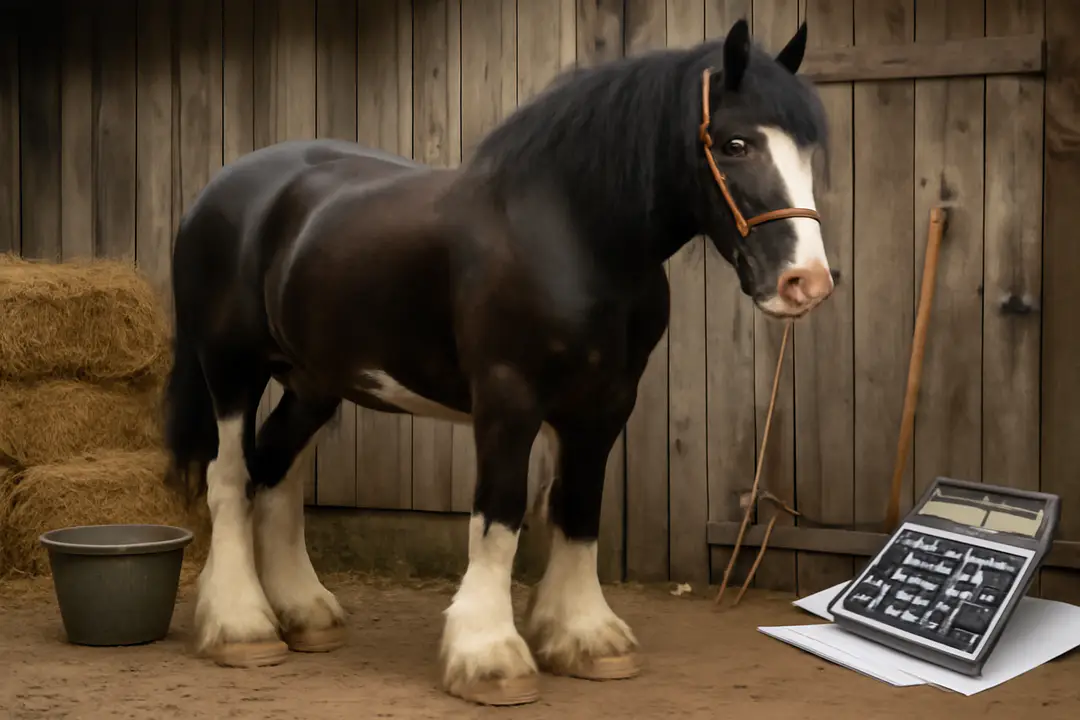
When you picture a Shire horse, you see a gentle giant with a friendly face. But behind the scenes, these majestic animals come with unique needs. One often-overlooked aspect is the long-term expense of feeding and maintaining their massive frames. Balancing quality care against rising costs can feel tricky. How much will it really cost to keep a Shire horse healthy and happy?
Understanding these expenses ahead of time helps you plan a realistic budget. From feed to farrier work, each cost adds up quickly. Knowing what to expect can prevent surprises, help you make sound decisions, and ensure your Shire thrives. Let’s break down what you need to know.
Purchase Price Insights
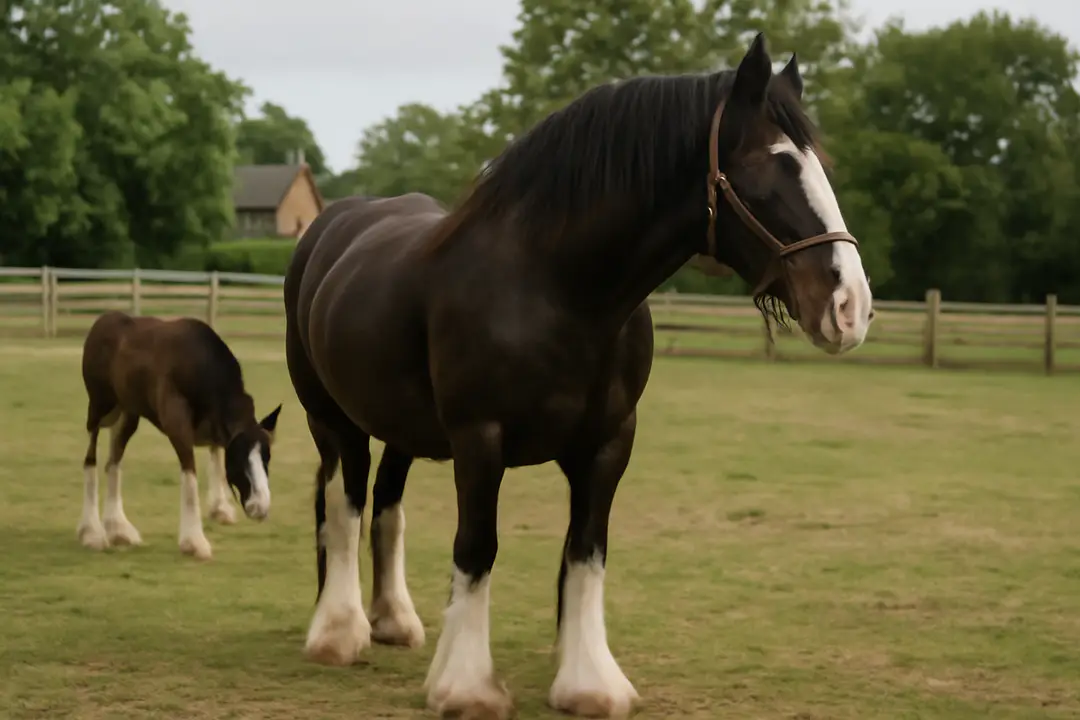
When deciding on a Shire horse, the initial price can vary widely. Factors like age, training level, pedigree, and location all play a role. A foal from top bloodlines can command a premium. An older, well-trained riding partner might also cost more. You want to balance your budget and needs before you buy.
Typical price ranges:
- Young untrained Shire: $2,500–$5,000
- Broken and trained riding horse: $6,000–$10,000
- Competition or working breed: $10,000–$20,000+
Prices can shift based on region, demand, and available local stock. It helps to research your area with a shire horse price guide. Visiting farms in person gives a real sense of value and temperament. Always factor in trial periods, transport fees, and any unexpected health checks.
Tips:
- Request medical records and recent x‐rays.
- Meet the breeder or seller face‐to‐face.
- Negotiate transport and inspection fees upfront.
When you know the full purchase breakdown, you won’t feel rushed. Setting aside a small contingency fund of around 5 percent of the purchase price can cover last-minute expenses. This cushion makes the first transition easier for both you and your new horse.
Daily Feeding Costs
Feeding a Shire horse requires more haul along with large hay bales and quality grains. Their massive bodies burn lots of calories. On average, they eat 1.5 to 2 percent of their body weight in hay daily. For a 1,800-pound horse, that’s around 27 to 36 pounds of hay. Grains, supplements, and treats add to the total cost.
Here is a sample monthly breakdown:
| Feed Type | Quantity | Monthly Cost |
|---|---|---|
| Grass hay | 800 lbs | $200 |
| Oats/mixed grain | 200 lbs | $70 |
| Vitamin/mineral mix | 30 lbs | $45 |
| Salt/mineral block | 1 block | $15 |
Costs will vary by region and feed quality. Bulk purchases and local suppliers often offer discounts. You can adjust the mix based on seasonal pasture growth or work level. A clear and consistent feeding schedule helps keep your horse healthy.
Practical tips:
- Buy hay in bulk before winter to save up to 20 percent.
- Store grain in sealed bins to avoid spoilage.
- Monitor body condition monthly and adjust feed accordingly.
- Introduce new supplements slowly over 2 weeks.
Keeping track of daily costs helps you project annual feed budgets accurately. A feeding log, updated weekly, shows trends and potential savings. Understanding these numbers ahead can prevent budget shocks down the road.
Veterinary and Farrier
Regular vet and farrier services are non-negotiable for a Shire horse. Their large hooves require trimming every 6 to 8 weeks. Annual wellness exams, vaccinations, and dental care keep them in peak health. You need to budget for routine visits and possible emergencies.
Average annual costs:
| Service | Frequency | Average Cost |
|---|---|---|
| Farrier trim/shoeing | 6 times/year | $50–$150 per visit |
| Vaccinations | Yearly | $200–$300 total |
| Dental exam/floating | Yearly | $150–$250 |
| Deworming | 4 times/year | $100 total |
| Wellness exam | Yearly | $100–$150 |
Unexpected issues can raise costs quickly. For example, colic surgery often runs $3,000 to $8,000. Keeping a small emergency fund is wise. Learn a solid daily care routine to catch problems early.
Cost-saving tips:
- Schedule all routine services on the same visit to save call fees.
- Compare local farriers—skills can vary widely.
- Buy vaccines and dewormers in bulk, store properly.
- Train yourself to perform basic health checks weekly.
Investing in preventive care reduces emergency visits. Monitoring weight, temperature, and hoof condition helps spot trouble. When your horse stays healthy, your overall expenses stay under control.
Stabling and Equipment
Housing a Shire horse means more space and bedding. A standard 12×12 stall rarely fits. Most owners need at least 14×14 feet of space. Good ventilation, secure doors, and sturdy stalls protect both horse and handler. Fresh bedding every 1 to 3 days keeps the stall dry and safe.
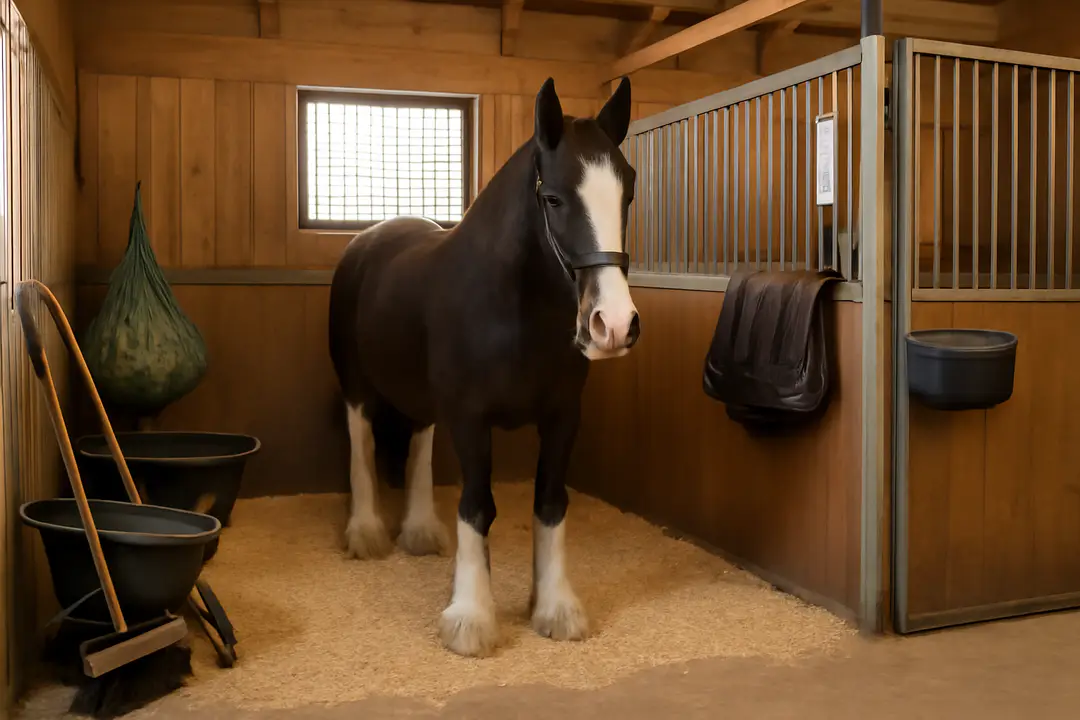
Essential equipment list:
- Larger hay nets or slow feeders
- Heavy-duty water buckets or automatic waterer
- Broom, shovel, and wheelbarrow
- High-quality halter and lead rope
- Thermometers and humidity gauge
- Extra-large horse blanket (in colder climates)
Monthly stabling costs can range from $300 to $800 depending on location. DIY setups lower costs but require time and labor. Renting a stall at a boarding facility may add amenities like wash racks or round pens. Decide what level of service works for your schedule and budget.
Equipment care tips:
- Inspect stall hardware monthly and tighten bolts.
- Clean water buckets daily to avoid algae.
- Replace damaged blankets each season.
- Organize feed and tack in labeled bins.
Building a solid setup once saves stress later. Thoughtful stall design and proper tools make daily care smoother. With the right plan, your Shire will stay comfortable and safe.
Training and Insurance
Proper training ensures safety and enjoyment with a Shire horse. Their size and strength demand clear communication. Professional trainers typically charge $30 to $75 per lesson. Many owners budget for one lesson every week or two, depending on skill level. Consistency is key when teaching new commands or refining gaits.
Training cost range:
- Beginner groundwork sessions: $30–$50 per hour
- Mounted riding lessons: $40–$75 per hour
- Problem-solving or advanced clinics: $100–$200 per session
Insurance for a Shire horse covers medical, mortality, and liability. Policies vary, but typical premiums are 2% to 4% of the horse’s value annually. For a $10,000 Shire, that works out to $200 to $400 each year. Additional liability coverage for public events or lessons might add $100–$200.
Choosing the right policy:
- Decide on mortality vs. medical coverages.
- Check deductibles and annual limits.
- Compare multiple providers for quotes.
- Ask about discounts for combined classes.
Protecting your investment makes sense early on. With proper training and insurance, you prevent accidents and handle emergencies without huge surprise bills. Investing a bit upfront offers peace of mind for years to come.
Conclusion
Owning a Shire horse is rewarding but comes with real expenses. From the initial purchase to daily feed, routine care, and training, every detail shapes your budget. Factoring in stabling, equipment, vet visits, and insurance helps you build a complete financial picture. You can avoid surprises by tracking costs and setting aside contingency funds.
As you plan, keep a clear record of each expense. Small savings—like bulk feed discounts or combined vet visits—add up over time. Regular training and quality preventive care further reduce emergency bills. A realistic timeline for each investment will guide your decisions and protect your bond with this gentle giant.
With solid research and thoughtful planning, you can enjoy a healthy Shire without stress. Use the tips in this guide to create a budget that fits your goals. Your Shire horse will thank you with years of loyalty, strength, and companionship. Start today, prepare wisely, and embrace the journey of owning one of the most magnificent horse breeds.