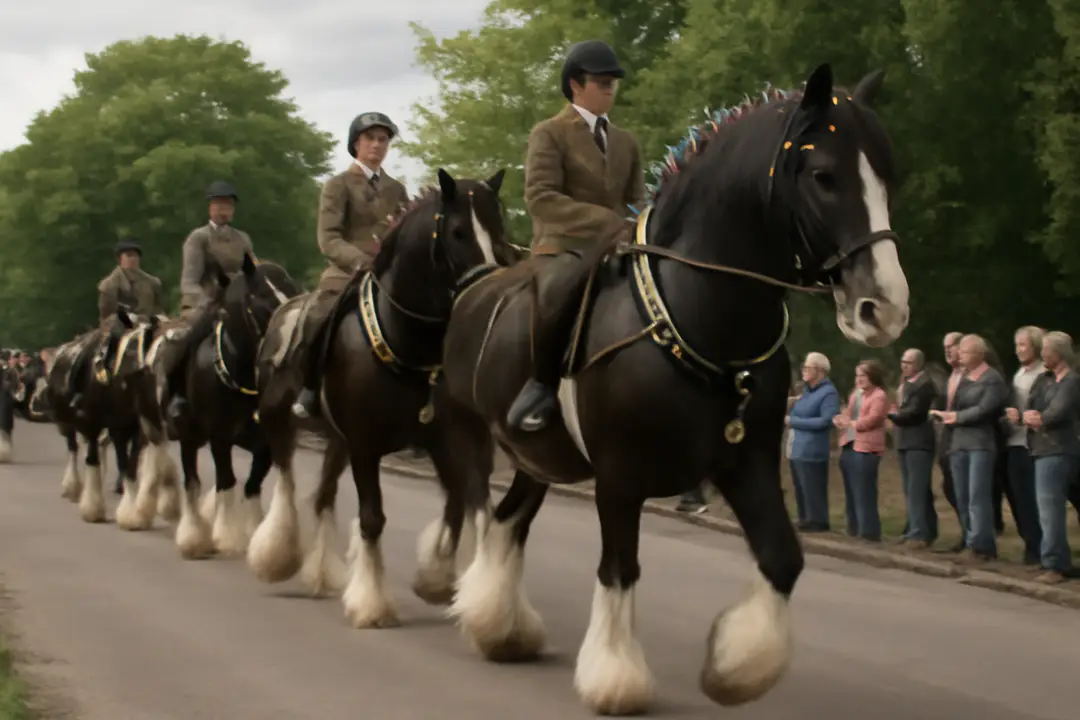
Shire Horse Parade Events: Majestic & Traditional Charm
There’s something truly captivating about watching massive Shire horses pull ornate wagons down a sunlit main street. Often, we focus on the gleaming harnesses and polished coats, but we don’t always consider how critical handler coordination is once the procession begins. How do organizers keep the horses, wagons, and volunteers in sync as they move through crowded streets?
It all starts with clear communication and a detailed parade plan that maps every step from staging to dispersal. By understanding each handler’s role and running pre-parade walkthroughs, event planners can prevent unexpected delays or safety hiccups. This makes your day smoother, keeps spectators happy, and ensures these gentle giants shine at their best.
Planning Parade Logistics
The foundation of any successful Shire horse parade is logistics. You need to secure permits, chart the route, and coordinate with local authorities. Start by meeting with city officials to confirm road closures and insurance needs. For many organizers, exploring options like shire horse insurance early on can save headaches later if an accident occurs.

Next, organize a staging area where horses, wagons, and handlers can gather before the march. Lay out clear signage for parking, warm-up zones, and first-aid stations. Provide each volunteer with a simple printed itinerary that includes timing, landmarks, and emergency contacts. Keep groups small—around four horses per handler group—to ensure individualized attention.
Pro tip: hold a final route walkthrough the day before the event. Walk or drive the path with key staff to identify potential bottlenecks. Jot down notes on narrow turns or steep inclines. This visual check ensures everyone knows what to expect before the big day.
Showcasing the Horses
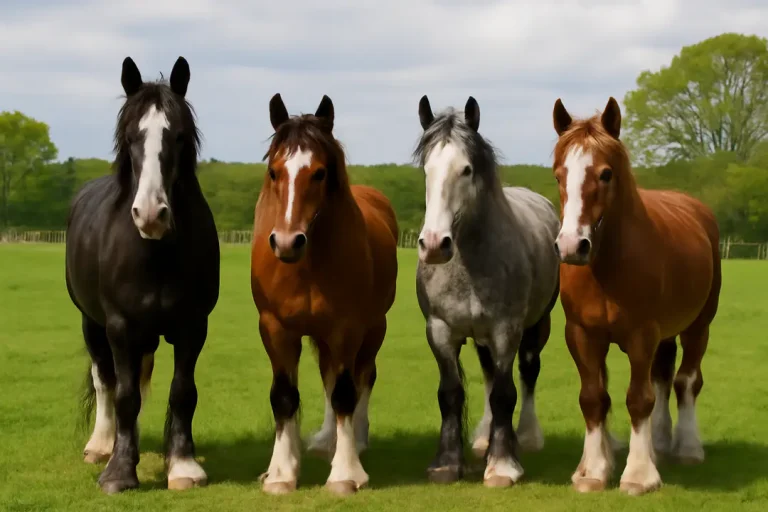
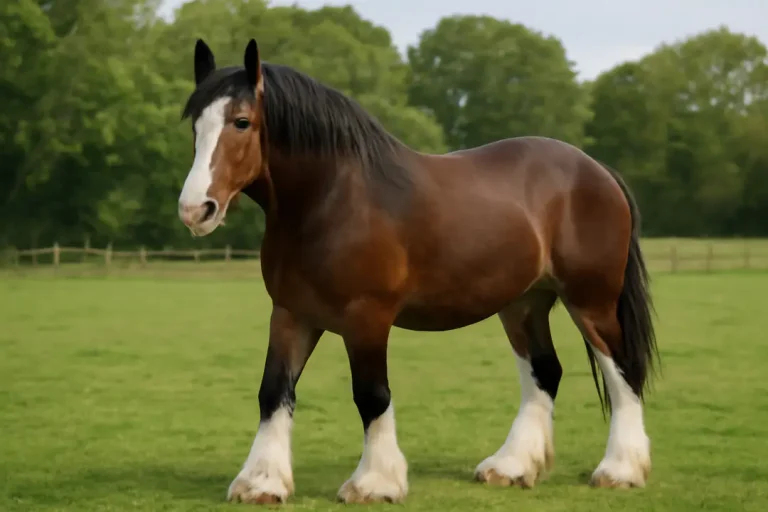
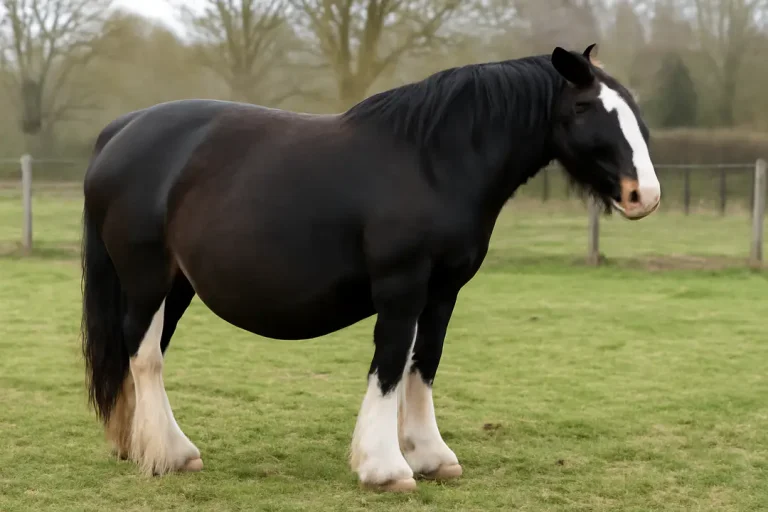
While spectators love the grandeur, it’s the horses themselves that steal the show. Shires are known for their size, strength, and calm temperament. Many visitors wonder what are Shire horses used for beyond parades. Highlight their farm work history by displaying vintage plows or historical photos on flatbed trailers.
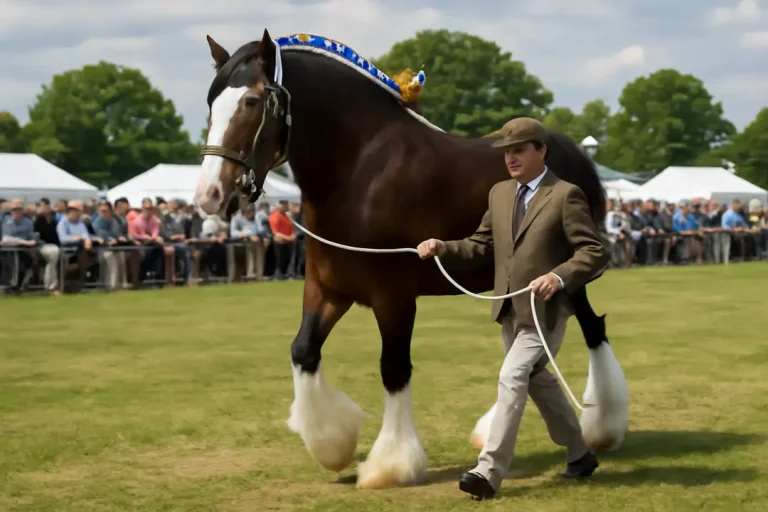
Grooming is key. Encourage owners to buff coats until they gleam and braid manes neatly. A simple floral garland or colored ribbons can tie into a parade theme. Offer a shaded wash area with hoses and buckets so horses stay comfortable in hot weather.
Interactive displays enhance the experience. Set up a small “meet-and-greet” zone where visitors can ask handlers about feeding schedules or training methods. Providing short, friendly demos—like a harness lesson—turns passive spectators into engaged fans.
Audience Engagement Tips
Turning bystanders into participants boosts event energy. Start with a friendly announcer who introduces each horse and shares fun facts—like how much a Shire can pull (up to 2,000 pounds!). Use a mix of brief stories, such as a horse’s rescue tale or a family’s multi-generation involvement, to create an emotional connection.
Hand out small printed maps showing parade highlights and vendor locations. Include QR codes linking to behind-the-scenes videos or photo galleries. This encourages social sharing and extends your parade’s reach online.
Organize mini-contests: “Best Hat” for spectators or “Young Handler Award” for kids who volunteer. Simple ribbon prizes keep things light. These activities make families linger longer, boosting vendor sales and community goodwill.
Vendor and Exhibitor Roles
Vendors add flavor, and their placement matters. Offer local food trucks space near the end of the route so lines don’t block the parade. Artisans selling horse-themed crafts should set up along the main stretch for visibility.

Create a vendor checklist that covers setup times, power needs, and waste disposal. Provide each exhibitor with a detailed site map and an on-site contact number.
Tip: Team up with local farms to showcase equine products—like handmade saddlebags or hoof care kits. This supports the agricultural community while giving visitors a deeper appreciation for equine care.
Safety and Regulations
Ensuring safety is non-negotiable. Coordinate with local law enforcement and medical teams for quick help if needed. Post clear signage for emergency exits and first-aid stations.
Below is a quick gear comparison for handler and spectator safety:
| Safety Item | Handler | Spectator |
|---|---|---|
| High-Vis Vest | ✔️ | ✖️ |
| Helmet | ✔️ | ✖️ |
| Barriers | ✖️ | ✔️ |
| Signage | ✔️ | ✔️ |
Regularly inspect gear and brief volunteers on crowd control. Clear walkways prevent spooked horses. A calm crowd makes for calm animals.
Behind the Scenes
The real magic happens off-camera. Start early with grooming bays where farriers, vets, and volunteers collaborate. Keep water troughs full and shaded for quick breaks.
Hold a short “crew huddle” before go-time. Review the route, assign backup roles, and confirm communication channels—most teams use handheld radios or mobile group chats.
Post-parade, schedule a brisk cleanup and a debrief. Celebrate successes and note any hiccups. These insights feed directly into planning for next year, making each event smoother and more memorable.
Conclusion
Shire horse parades combine history, community spirit, and equine elegance in one unforgettable package. By focusing on thorough planning, engaging storytelling, and strict safety measures, you’ll stage a parade that delights both spectators and participants.
Remember: clear communication among handlers, creative demonstrations of horse heritage, and thoughtful vendor placements keep the energy high. A well-orchestrated event builds local pride and ensures those gentle giants shine. Take these tips, gather your team, and get ready to bring traditional charm back to your next parade.