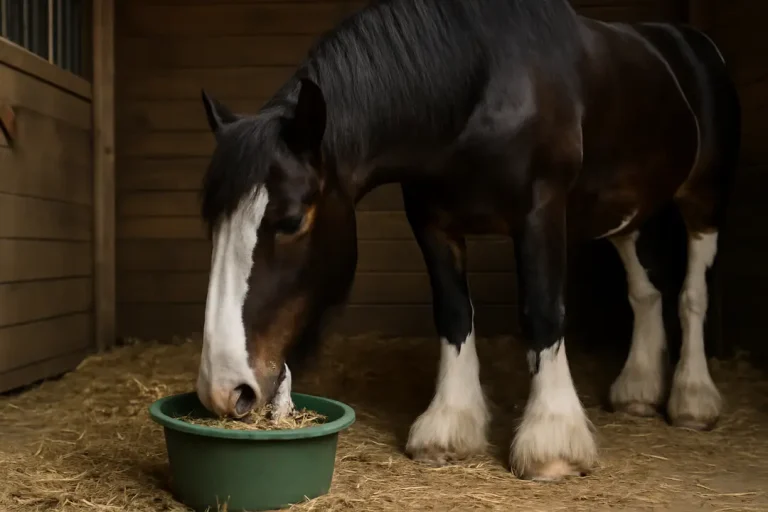

Feeding Shire horse foals: Guide for Healthy Growth
Raising a Shire foal is a rewarding journey, but many breeders focus only on basic milk supply and overlook the delicate phase of transitioning to solid feed. This missed step can lead to growth hiccups, digestive upset, or weak bone development. Knowing when and how to introduce new feeds makes all the difference. So when is the right time to shift from mare’s milk to a balanced foal diet?
By understanding the signs and proper methods for introducing solids, you can support healthy growth and avoid stomach troubles. This insight helps you build a feeding plan that keeps nutrition on track, supports strong limbs, and avoids unwanted surprises. Armed with the right knowledge, every feeding time becomes a step toward a thriving foal.
Early Nutrition Needs
At birth, a Shire foal relies on colostrum from the mare. This first milk is rich in antibodies and essential nutrients. Ideally, the foal should nurse within two hours. If it misses that window, immunity can suffer. Monitoring the mare and foal closely in the first day is vital.

Colostrum provides a natural vaccine and kickstarts digestion. After the first 24 hours, the foal shifts to regular mare’s milk. Mare’s milk supports strong bone growth with balanced fats and proteins. You can test foal health by checking for active suckling and steady weight gain. If the foal seems weak, consult a vet right away.
During the first month, foals nurse up to eight times a day. Watch their body condition and ask your vet if a supplemental nursing system is needed. Some breeders add small amounts of high-quality milk replacer under vet guidance. But keeping foals at the mare’s side is best until they reach a month old. Early nutrition lays the foundation for every later feeding step.
By week four, you can introduce a small bucket of fresh water. Clean, fresh water supports hydration and digestion. Ensure the water container is low enough and sturdy to avoid spills. Offering water early helps the foal learn to lap and slows the shift when solids start. Early water access will prevent colic and aid rumen development.
Introducing Solid Feed
Between six and eight weeks, many Shire foals are ready to taste solid feed. Starting too early can cause digestive upset, while waiting too long slows growth. A common approach is to use a creep feeder. This allows foals to eat without adult horses crowding them out. Place the creep feeder in a familiar area so the foal explores comfortably.
Begin with a palatable, high-protein creep feed formulated for foals. Look for at least 16% protein and balanced minerals. Offer the feed in small quantities and refresh it daily. Observe how much the foal eats in 15 to 20 minutes, then adjust. Bright, alert foals eating 0.5 to 1 pound of creep feed per day is a good starting point.
Always introduce one new feed at a time. If you switch from one brand to another, do it over a week. Mix 25% new feed with 75% old, then 50/50 on day four, until fully switched. Keep an eye on manure consistency—loose stools signal feeding too much or too fast. Fine-tuning this phase sets the stage for solid growth and development.
Once foals start eating 1 to 2 pounds of creep feed daily, you can offer limited pasture or hay. But continue monitoring their intake closely. Overfeeding grain can lead to joint problems in large breeds. A measured, gradual plan protects both health and growth.
Forage and Pasture
High-quality forage forms a major part of a Shire foal’s diet after two months old. Good hay should be free of dust, mold, and weeds. Timothy, orchard grass, or early-cut alfalfa mixed with grass hay works well. Offer hay in a net feeder to slow intake and reduce wastage.
Pasture grazing adds variety and exercise. Ensure fences are strong and safe. Rotate pastures to prevent overgrazing and parasite build-up. A well-managed pasture offers fresh grass rich in fiber and nutrients. Integrating pasture inspections into your daily care routine helps you spot issues early.
You can start turnout in small paddocks by ten weeks. Watch foals for signs of overeating—excessive fresh grass can lead to laminitis. Restrict access to lush spring grass if it is too rich. Use a grazing muzzle or limited time grazing, about 1 to 2 hours per session. This balance protects young hooves and joints.
Provide clean bedding and shelter within the turnout area. Shire foals grow fast, so footwork is important. A firm, dry surface prevents slips and hoof issues. Good forage and pasture management build strong digestive systems. It also encourages healthy social behavior when foals interact with herd mates.
Grain Mix Supplements
As Shire foals grow, grain mixes and supplements fill nutritional gaps. Grain should be high in energy and balanced in protein. Vitamins and minerals support bone and muscle development. A customized supplement plan ensures foals get what they miss from forage alone.

Here is a basic feeding blend for a three- to six-month-old Shire foal:
- Oats or pelleted feed: 50% of the ration
- Barley or corn: 25%
- Alfalfa pellets or cubes: 15%
- Vitamin-mineral supplement: 5%
- Flaxseed or vegetable oil (for omega fats): 5%
Always choose a commercially mixed supplement designed for draft breeds. Look for balanced calcium-to-phosphorus ratios (around 1.5:1). Avoid excess iron or zinc that can hinder absorption of other minerals. Consult your vet or equine nutritionist for exact amounts. Adjust the mix as the foal’s workload increases, like early training or handling.
Supplements like biotin support hoof health. Probiotics and digestive enzymes can aid feed digestion, especially during feed changes. Introduce any supplement slowly, monitoring the foal’s response. That way you prevent upset tummies and ensure consistent nutrient uptake.
Feeding Schedule
Creating a consistent feeding routine helps Shire foals thrive. A clear schedule trains their digestion and behavior. Below is a sample feeding schedule for the first six months:
| Age | Meals per Day | Feed Type | Amount |
|---|---|---|---|
| 0–1 month | Nursing on demand | Mare’s milk | Up to 8 feeds |
| 1–3 months | 4 | Creep feed and mare’s milk | 0.5–1 lb creep feed |
| 3–6 months | 3 | Grain mix, hay, pasture | 2–4 lbs grain |
| 6–12 months | 2–3 | Mixed ration and hay | 4–6 lbs grain |
Offer hay and pasture freely once foals reach four months. Water should be available at every meal. Monitor intake and adjust quantities weekly. Keep feed bins clean and dry to avoid spoilage. Following a solid schedule prevents sudden appetite swings and keeps growth steady.
For more detailed timing, see the feeding schedule guidelines. Consistency now helps avoid colic and supports future training milestones.
Monitoring Growth
Tracking your Shire foal’s growth ensures feeding plans match development. Record weight and height every month. A simple scale or weight tape works well. Growth charts help you see if the foal follows expected patterns.
A reliable weight chart for Shire horses provides benchmarks. Foals should gain about 1.5% to 2% of their body weight weekly. Deviations may signal underfeeding or health issues. Check coat condition, muscle tone, and overall energy too.
Schedule regular vet checks at weaning around six months. Blood tests can catch mineral deficiencies early. Keep hoof and dental care on track—neglected hooves slow growth and cause lameness. Document any health concerns and adjust the diet as needed.
Use a simple journal or app to log feed amounts, health notes, and vet visits. Reviewing logs helps you spot trends. Early detection of slow growth or digestive issues means faster adjustments. Proactive monitoring keeps your foal on a healthy trajectory.
Common Mistakes
Feeding Shire foals seems straightforward, but errors can hinder growth. One major mistake is overfeeding grain before the foal’s gut is ready. This can lead to colic or laminitis. Always introduce grains slowly and watch manure quality.
Another pitfall is poor feed quality. Moldy hay or rancid grain brings health risks. Store feeds in a cool, dry place and inspect before each use. Discard anything with a sour smell or visible spoilage.
Inconsistent schedules create digestive stress. Foals thrive on routine. Skipping meals or sudden feed changes disrupt the balance of gut flora. Keep feeding times regular and always have fresh water available.
Finally, neglecting social and environmental factors is a mistake. Foals need safe turnout, clean bedding, and social interaction. A stressed or bored foal may not eat properly. A balanced feeding plan works best alongside good daily care and stable management.
Conclusion
Feeding a Shire foal well demands attention, knowledge, and consistency. From the vital first colostrum feeds to the careful introduction of solids and balanced grain mixes, every step shapes the foal’s future health and performance. Quality forage and a clear feeding schedule keep growth on track, while monitoring and regular vet visits catch issues early.
Avoiding common pitfalls like overfeeding grain or using low-quality feed ensures steady development. Integrating pasture checks into your daily routine and using a weight chart helps you stay informed. With the right mix of nutrients, water, and care, your Shire foal will grow into a strong, sound horse.
As you implement these strategies, remember that each foal is an individual. Adjust feeding plans based on temperament, health indicators, and breed type. A thoughtful approach prevents unwanted surprises and sets the stage for a lifetime partnership. Start strong, stay consistent, and watch your Shire foal thrive into majestic maturity.