
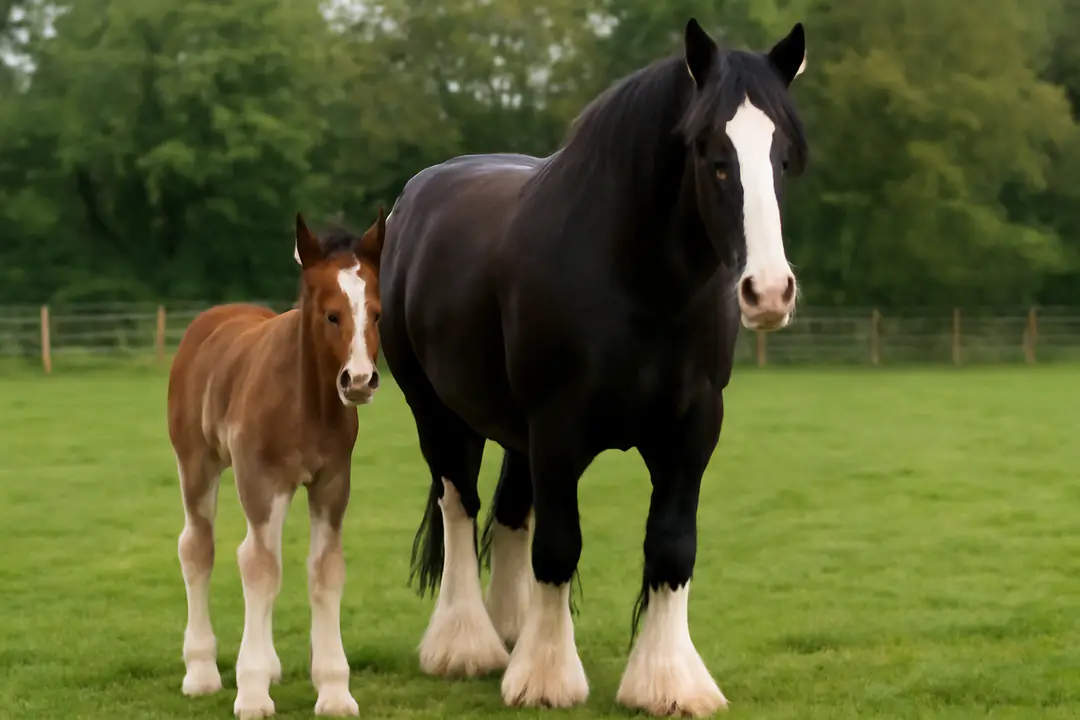
Shire Horse Foal Growth Rate Practical Insights Guide
Watching a Shire horse foal stretch its legs for the first time is pure magic. Yet, amid all the excitement, one key factor often slips under the radar: how quickly that foal gains weight. Owners and breeders alike wonder what pace is normal and when growth should raise a red flag. How can you tell if your mighty youngster is on the right track?
The answer starts with understanding daily and monthly weight gains and what drives them. By tracking your foal’s growth curve, you’ll spot irregularities early and adjust feeding or health routines before small issues become big problems. Armed with this insight, you’ll help your foal grow strong and avoid unwanted surprises down the road.
Growth Stages Overview
The development of a Shire horse foal is usually split into three main stages: neonatal (birth to 1 month), juvenile (1–6 months), and yearling (6–12 months). In the neonatal stage, foals absorb vital antibodies from colostrum and adapt to nursing. Their weight gains are rapid but can fluctuate if the mare’s milk supply varies.

During the juvenile stage, expect the most consistent surge in growth. Foals will gain roughly 1.0–1.5 pounds per day, depending on genetics and nutrition. This phase demands careful balancing of forage and concentrate to fuel bone and muscle development without causing digestive upset.
By the yearling stage, growth rate slows to about 0.5–1.0 pounds per day as the foal shifts focus from rapid size increase to solidifying strength and coordination. Monitoring height alongside weight helps track proportional development, ensuring the foal remains balanced and healthy. Regular measuring and logging create a visual growth curve that guides feeding and exercise choices.
Nutrition’s Role
Feeding a rapidly growing foal is a balancing act. Too little, and growth stalls. Too much, and you risk developmental orthopedic diseases. A sound plan blends high-quality forage with specialized concentrates designed for young horses.
- First month: Rely on mare’s milk for 80–90% of nutrition. Offer access to hay and clean water.
- 1–3 months: Introduce a foal starter feed, starting at 0.5 pounds twice daily and increasing gradually.
- 3–6 months: Adjust to about 1–2 pounds of feed per 100 pounds of body weight, split into two meals.
- 6–12 months: Transition toward a growth-phase grain mix, ensuring 12–14% protein and sufficient minerals.
As they grow, essential vitamins and minerals—especially calcium, phosphorus, and trace minerals—keep bones forming correctly. You can find a tailored plan in a feeding schedule guide that outlines exact amounts by age and weight. Also, remember to weigh your foal every two weeks; small tweaks to the diet keep the growth curve smooth and steady.
Daily Weight Gain
Tracking daily gains provides a clear picture of health and informs feeding decisions. Most Shire foals pack on about 1.2 pounds each day in the first three months. Here’s how you can measure and log progress:
- Weigh the foal at the same time each morning before feeding.
- Record weight in a simple chart or digital log.
- Calculate daily difference: today’s weight minus yesterday’s weight.
- Average weekly gains to smooth out day-to-day fluctuations.
If gains dip below 0.8 pounds per day, check the mare’s milk supply and foal’s nursing habits. Gains above 1.8 pounds daily may signal overfeeding, risking joint stress. Keep your records for vet reviews. This habit uncovers small trends before they become costly problems.
Health and Vet Checks
Regular veterinary checkups are essential. At birth, a vet should confirm foal viability, listen for heart murmurs, and check limb conformation. Follow-up exams at 1, 3, 6, and 12 months catch developmental issues early.
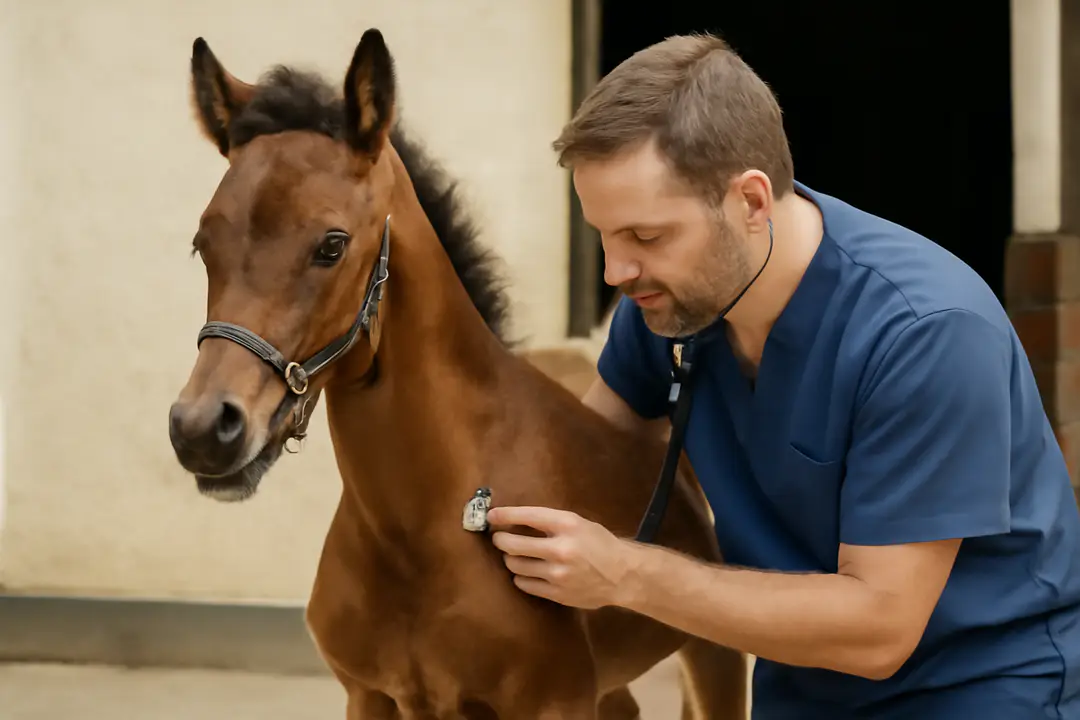
Watch for signs of trouble: lameness, uneven gait, or swollen joints. Early intervention often means simple dietary tweaks or controlled exercise. Vaccinations—such as tetanus and equine influenza—start around six months, and deworming schedules should align with fecal egg counts.
Don’t underestimate farriery. Proper hoof trimming every 6–8 weeks keeps growth balanced. Ask your farrier or vet about corrective shoeing if you spot angular limb deformities. With proactive care, your foal can meet breed standards without setbacks.
Comparing to Other Drafts
Shire foals tend to grow slightly faster and larger than Percherons but slower than Clydesdales in daily pounds. Here’s a quick comparison:
| Breed | Avg Daily Gain | Adult Weight |
|---|---|---|
| Shire | 1.2–1.5 lbs | 1,800–2,400 lbs |
| Percheron | 1.0–1.3 lbs | 1,700–2,200 lbs |
| Clydesdale | 1.3–1.6 lbs | 1,800–2,200 lbs |
These differences tie back to genetics and workload expectations. A heavier adult weight doesn’t always mean faster early growth, so use breed-specific averages. For a deeper look at breed traits and growth, see our Shire vs. Percheron guide.
Tracking Progress Tips
Keeping detailed records is the secret to confident foal management. Use a simple spreadsheet or notebook to log weight, height at withers, feed amounts, and health notes. Review trends weekly and adjust feed in 10% increments rather than big jumps.
Engage helpers. A stable manager or farmhand can weigh and measure while you handle feeding. Photos taken monthly against a fixed background serve as visual growth markers. You’ll catch subtle changes that numbers miss.
Finally, group-practice budgeting for feed and supplements based on projected growth. When you see a growth spurt coming, you’ll have extra bags on hand rather than rushing to reorder. Consistency in both diet and record-keeping sets your foal up for a strong future.
Conclusion
Monitoring your Shire horse foal’s growth rate bridges the gap between hope and reality. By breaking development into stages, dialing in nutrition, and tracking daily gains, you transform guesswork into a clear plan.
Regular vet visits and farrier checks catch issues early, while breed comparisons help you set realistic goals. Detailed records—weights, heights, feed logs—create a growth story you can follow. This story guides tweaks in feeding and exercise and turns surprises into manageable tweaks.
Empowered with practical tips and data, you’ll watch your foal develop into a majestic adult. Whether you’re a breeder aiming for top performance or a new owner cherishing every milestone, understanding growth rate is your key. Start logging today, and give your young Shire the best path to strength and health.