How Long Do Shire Horses Live: Complete Lifespan Guide
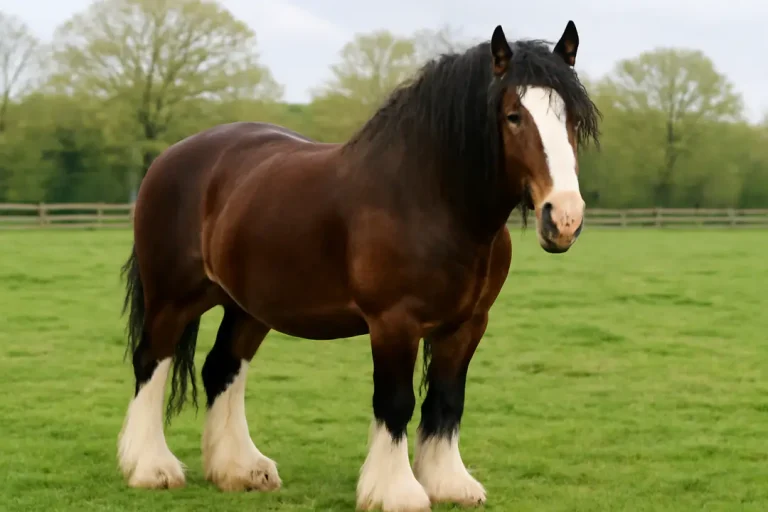
When you watch a gentle Shire horse plodding through a field, it’s easy to admire its size and strength. Yet many owners overlook a key detail: what really determines how long these gentle giants live? Could a change in daily care or environment extend a Shire’s time on earth?
A Shire horse’s lifespan depends on genetics, diet, health management, and living conditions. Understanding these factors helps you plan proper care, avoid common surprises, and ensure your horse thrives for as many years as possible.
Factors Affecting Lifespan
Genetics play a major role in a Shire horse’s potential years. Some bloodlines are known for hardiness, while others carry inherited conditions such as joint issues. Responsible breeders screen for sound conformation and healthy family history.
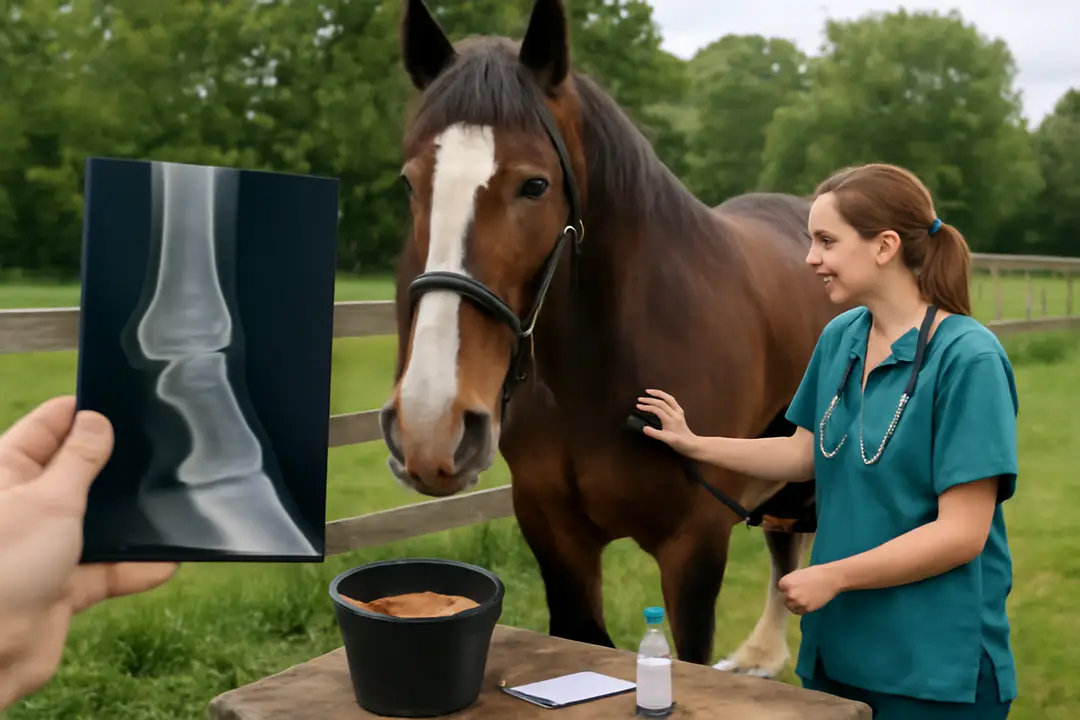
Nutrition also influences longevity. Feeding balanced forage and supplements supports bone, joint, and immune health. Poor diet can lead to obesity or deficiencies that shorten a horse’s life.
Regular veterinary checkups catch problems early. Vaccines, dental exams, and hoof care prevent small issues from becoming life-threatening. Many owners find that a consistent schedule of vet visits adds years to their horse’s life.
Average Age Range
Most Shire horses live between 20 and 28 years. With good care, some reach their early 30s, though that remains rare. Comparing records, the average life expectancy falls just over 25 years.
Fillies sometimes outlive colts by a couple of years, possibly due to gentler temperament and lower workload. Stallions in heavy work may see shorter lifespans if their routine isn’t balanced with rest.
Tracking your horse’s year-to-year health helps you spot trends. A stable weight, healthy coat, and alert behavior often signal a horse on track to reach—or exceed—the breed’s average range.
Health and Diet Tips
A clear feeding plan keeps a Shire at its ideal weight and energy level. Consult your vet or nutritionist to create a schedule that matches activity and age. You can also follow a trusted feeding schedule for guidance.
Key tips include:
- High-quality hay: At least 1.5–2% of body weight daily.
- Balanced grain mix: Choose low-starch formulas for draft horses.
- Vitamin/mineral supplements: Support hoof and joint health.
- Fresh water: Unlimited access, changing twice a day.
- Regular weight checks: Adjust rations to avoid obesity.
Proper grooming and hoof care also count as health investments. A well-maintained coat and hoof structure reduce infections and lameness, which can otherwise reduce a horse’s quality of life.
Environmental Factors
Space and shelter affect a Shire’s stress levels and overall health. These horses need roomy pastures to move freely. Limited turnout can cause joint stiffness and boredom.
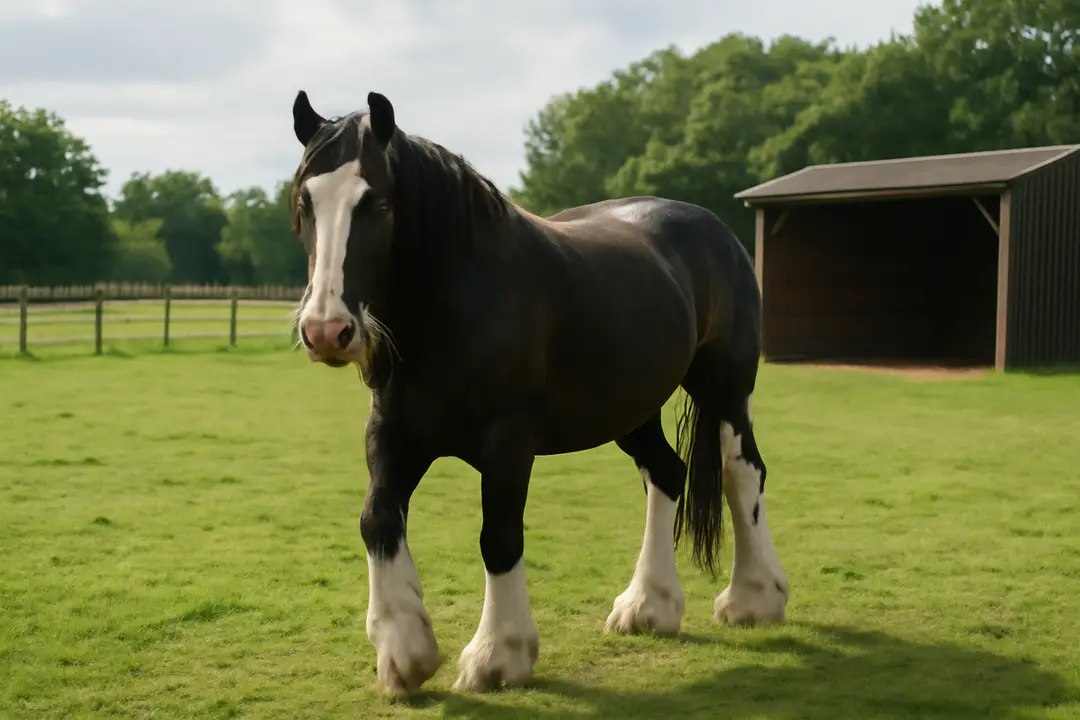
Shelter from wind, rain, and extreme sun prevents respiratory issues and sunburn on sensitive skin. Rotate paddocks to protect grass and reduce mud, which can lead to hoof problems.
A consistent daily care routine that includes stall cleaning, turnout checks, and temperature monitoring helps you spot small problems before they worsen.
Comparing Draft Breeds
| Breed | Average Lifespan | Max Recorded Age |
|---|---|---|
| Shire | 20–28 years | 32 years |
| Clydesdale | 18–25 years | 30 years |
| Percheron | 17–26 years | 29 years |
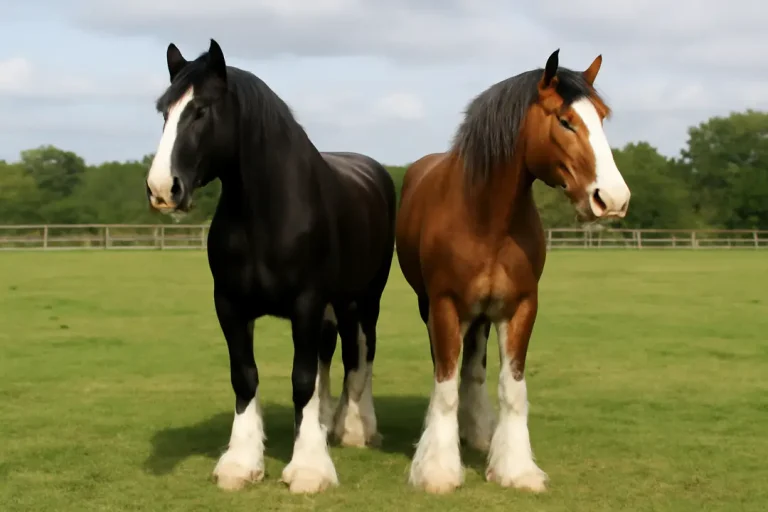
While all draft breeds share similar care needs, slight differences exist. Shires often grow heavier, so joint support is vital. Clydesdales may have more feathered legs needing extra grooming, and Percherons sometimes carry thicker coats for colder climates.
Signs of Aging
As Shires age, look for subtle shifts in behavior and appearance. A dull coat, thinning mane, or stiffness when rising can signal arthritis or poor nutrition. Early detection allows you to adjust care.
Dental wear is another common issue. Regular floating keeps a senior horse comfortable and ensures it can chew hay properly. Skipping this step often leads to weight loss.
Mobility changes deserve attention. Gentle exercise and joint supplements can reduce discomfort and maintain muscle tone. Your vet may recommend pain management or adjusted work plans to keep your horse moving freely.
Conclusion
Understanding how long Shire horses live means looking beyond a simple number. Genetics set the potential, but diet, health care, and environment shape the real story. By following balanced nutrition, routine vet visits, and thoughtful daily care, you give your Shire the best chance at a full life.
Spot early signs of aging, compare needs among draft breeds, and tailor your approach as your horse grows older. With proper support and attention, those majestic gentle giants can remain healthy and vibrant for decades.
Take these insights into your own stable and see how small changes yield big gains in years and quality of life. Your dedicated care is the true secret to a long, happy partnership with your Shire horse.