Shire Horse for Farm Work: Practical Strength & Care
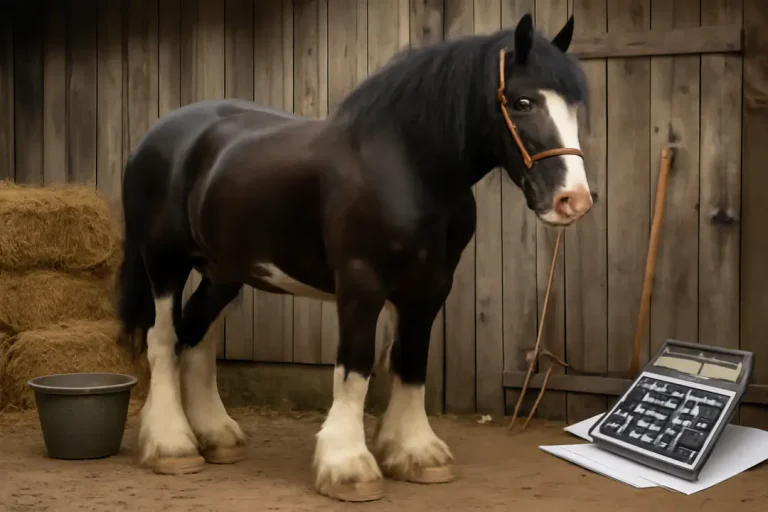
Working with heavy farm equipment is part of the daily grind, but nothing beats the steady power and reliability a Shire horse brings to the field. These gentle giants offer more than just pulling strength—they come with specific care needs that often get overlooked until a problem crops up. One of the most critical but underappreciated aspects is keeping their massive hooves and legs in top shape. How can you ensure your Shire’s hooves stay healthy under the stress of farm work?
By focusing on hoof health, you prevent lameness, boost performance, and save on veterinary bills down the road. Learning the basics of hoof care—and linking it to proper nutrition, shelter, and gear choices—helps you make smart decisions from day one. A solid hoof-care routine keeps your Shire moving smoothly, so you can get more done without costly interruptions.
Strength and Work Capacity
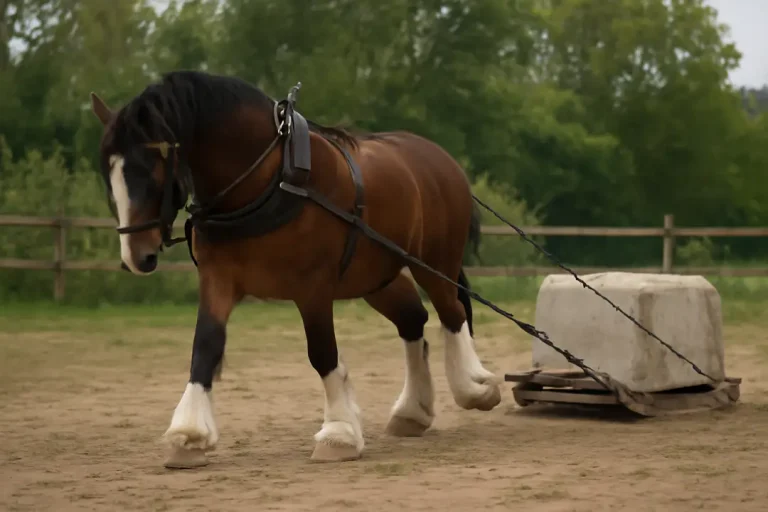
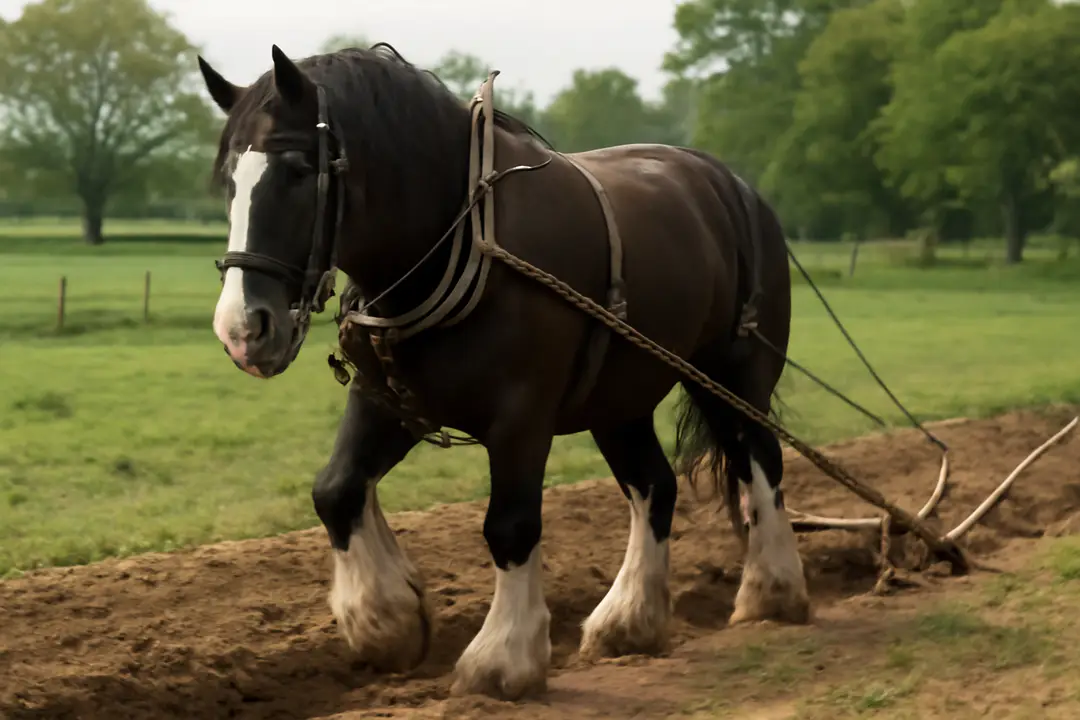
Shire horses stand out for their raw pulling power. On average, they weigh between 1,800 and 2,300 pounds and can pull ten times their body weight in ideal conditions. That translates to moving logs, plowing fields, or hauling heavy wagons with steady ease.
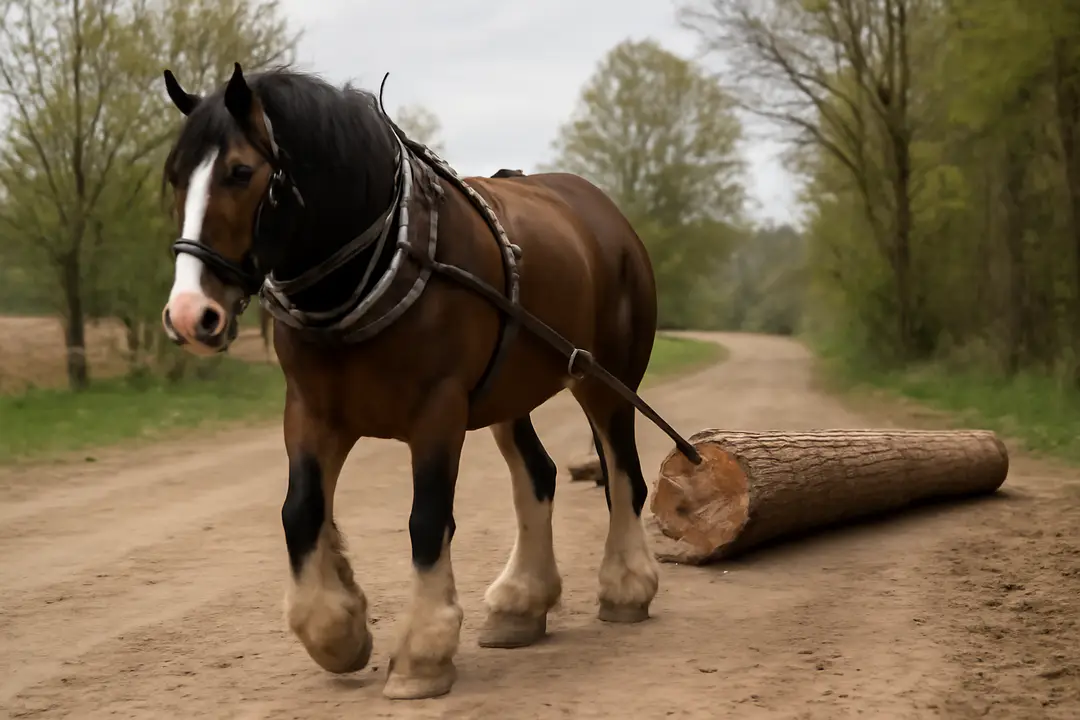
While raw strength is impressive, it doesn’t mean you can push them endlessly. Start with lighter loads and gradually increase weight. Watch for signs of fatigue—short, choppy steps or reluctance to move—and give them regular breaks. A rested Shire stays healthy and productive longer.
Tip: Rotate tasks so your horse works with varied movements rather than repeating the same strain all day. This practice reduces the risk of muscle soreness. When you plan your workload around their capacity, you’ll see better performance and fewer health issues.
Feeding and Nutrition
Nutrition drives every ounce of strength your Shire brings to the field. Generally, they need 1.5% to 2% of their body weight in forage each day. That is about 40 to 50 pounds of hay for a 2,000-pound horse. For working days, supplement with quality grains or pelleted feeds to meet extra calorie demands.
Always offer a mineral salt block to keep electrolytes balanced. Fresh water is non-negotiable—an active Shire can drink up to 15 gallons in hot weather. Monitor body condition weekly; adjust feed up or down based on muscle tone and energy levels.
Tip: Weigh your forage and concentrate portions. Guesswork leads to overfeeding or undernourishing. If you spot weight loss or gain outside your expectations, revisit the ration immediately. Working in tune with their nutritional needs ensures consistent strength on the farm.
Shelter and Space Needs
Big horses need big spaces. A Shire requires at least a 12-by-12-foot stall with deep bedding to protect their joints. When turned out, aim for one acre per two horses in a dry lot or pasture. Good fencing and solid footing are essential to prevent slips and injuries.
Shade and windbreaks are crucial. In summer, trees or a run-in shed keep them cool under the sun. In winter, a three-sided shelter blocking prevailing winds makes a world of difference for comfort and health. Wet or muddy paddocks can soften hooves and lead to thrush.
Tip: Rotate pastures every few weeks to prevent overgrazing and mud. Check drainage around shelters to keep stalls dry. A well-designed living area means fewer hoof problems and happier, more energetic horses.
Grooming and Hoof Care
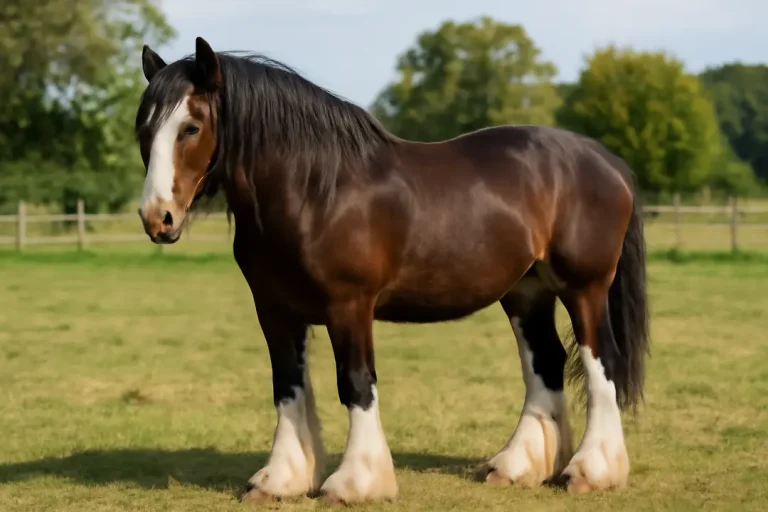
Regular grooming does more than keep your Shire looking handsome—it’s vital for skin, coat, and hoof health. Start with a soft brush to remove loose hair and dirt, then follow with a stiff brush to clear deeper grime. Clean around the feathering carefully to prevent mites.
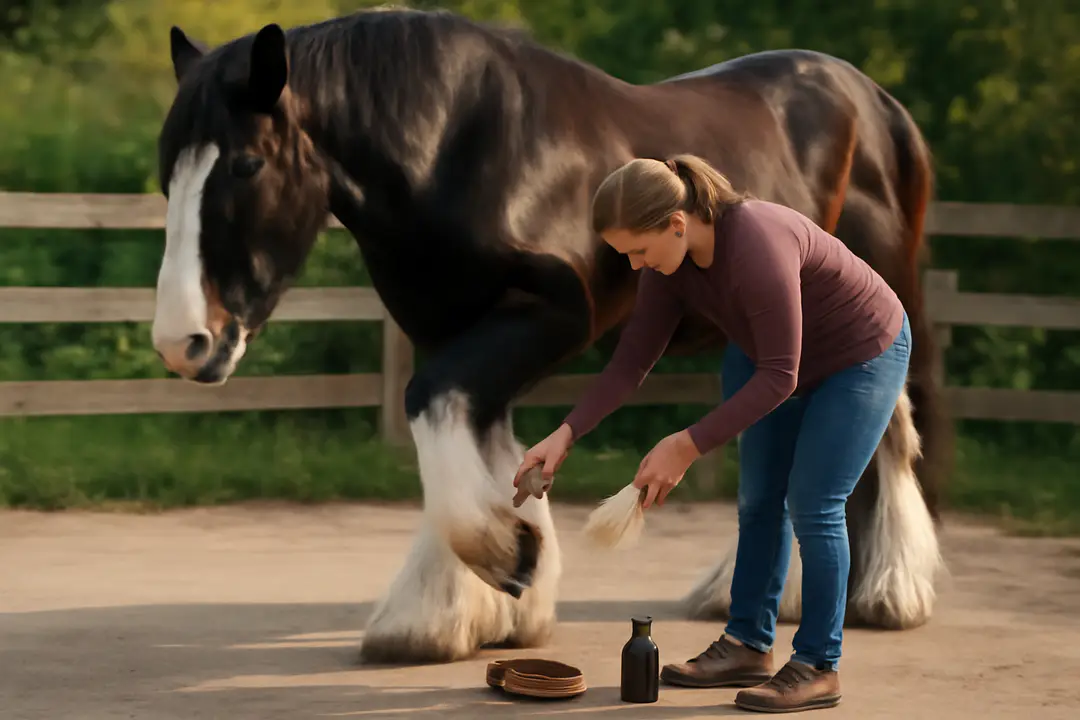
Hoof care deserves its own routine. Every day, pick out stones, check for cracks, and look for signs of thrush. A farrier visit every six to eight weeks keeps feet trimmed and balanced. Given their large structure, Shires benefit from shoes designed for weight distribution.
Grooming tools and steps:
- Body brush – remove dirt
- Hoof pick – clear debris
- Feather comb – detangle lower legs
- Hoof oil – prevent cracks
Tip: For insights into large hoof anatomy and care, review how the size and shape influence movement and health. Proper daily attention stops small issues from turning into costly hoof repairs.
Training and Temperament
Shires have a calm, patient nature that makes training a positive experience. They’re intelligent and eager to learn, but their size requires a confident handler. Begin with ground driving—teach voice commands and halter patterns to build trust.
Use consistent cues and reward good behavior promptly. These horses respond well to gentle firmness; avoid harsh corrections. Over time, introduce collar work and light pulling tasks, always ensuring they remain relaxed and willing.
Tip: Compare their behavior to other draft horse breeds to understand unique traits. When you know how a Shire differs from a Clydesdale or Percheron, you can tailor your approach and set realistic training goals.
Equipment and Harness Use
Proper gear keeps your Shire efficient and safe on the job. A well-fitted collar or harness distributes load evenly across the shoulders. Ill-fitting equipment can cause sores and restrict movement, leading to decreased performance.
Essential items and purpose:
| Equipment | Purpose |
|---|---|
| Draft collar | Even weight distribution |
| Back pad | Protects spine under harness |
| Leather traces | Attach to wagon or plow |
| Bit and bridle | Steering control |
Tip: Inspect all buckles, stitching, and leather for wear before each use. Replace or repair gear immediately if you find weak spots. Safe, comfortable equipment means peak productivity and a happier horse.
Conclusion
Bringing a Shire horse into your farm operation boosts capacity, but it also demands a thoughtful approach to care. When you match their strength with balanced nutrition, ample space, and routine hoof maintenance, you set the stage for long-term success. Training with patience and using the right harness gear keeps them engaged and healthy.
Whether you’re replacing heavy machinery or aiming for a more sustainable farm, a well-cared-for Shire can become your most reliable partner. By understanding and meeting their unique needs, you’ll avoid costly setbacks and build a bond that enhances work quality. Start planning your Shire’s care routine today, and watch your farm work transform with the power of a true gentle giant.