How to Care for a Shire Horse: Top Maintenance Tips
Owning a Shire horse is a privilege that brings history and strength into daily life, but many newcomers focus only on feeding and miss other critical care steps. One often-overlooked detail is how daily routine and environment shape a Shire’s health and behavior. When you skip planning space and schedule, small issues can snowball into big headaches. So how do you balance feeding, grooming, training, and shelter to keep your gentle giant thriving?
The key lies in understanding each care element as part of a larger routine. By mapping out daily tasks, feeding plans, grooming checks, and shelter requirements, you set yourself up for success. This holistic view helps you spot issues early, choose proper gear, and make informed decisions about turnout and stall time. In the long run, that knowledge saves time, stress, and vet bills.
Daily Care Routine
Consistency is the heart of keeping a Shire horse content and healthy. Each morning, check water, bedding, and overall behavior before turnout. A quick look at coat condition and eye clarity reveals possible problems early. In the evening, repeat the cycle and note any changes.
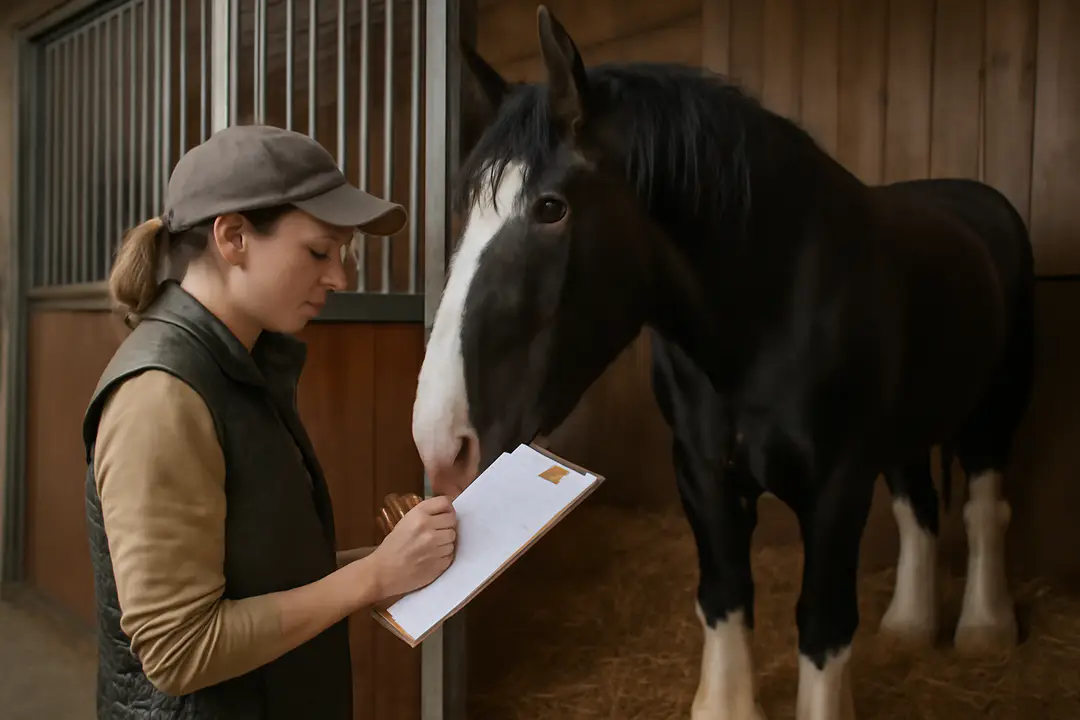
Linking your routine to a clear checklist makes it easier. For instance, a well-documented daily care routine can guide you through grooming, feeding, and stall maintenance step by step. That reference helps you never skip essential tasks—even on busy days.
Keep records of weight, temperature, and appetite. A simple logbook or app entry highlights trends, such as sudden weight loss or increased lameness risk. Over time, you’ll spot patterns and adjust feed or exercise before small issues grow.
Practical tip: Set alarms or calendar reminders for key tasks. Automated alerts ensure you never miss a meal or hoof pick. Consistency builds trust and safety between you and your gentle giant.
Feeding and Nutrition
Shire horses need a balanced diet to support their size and work level. Too much grain can cause digestive issues, while too little forage may lead to boredom and cribbing. Aim for a mix of high-quality hay, strategic concentrates, and a mineral supplement.
Here is a sample feeding plan:
- Morning: 2–3 flakes of grass hay, measured to avoid waste
- Midday: 1–2 pounds of textured grain with added fat and fiber
- Afternoon: 2–3 flakes of hay or pasture turnout
- Evening: Repeat morning hay, plus a mineral block for salt and electrolytes
Adjust portions based on workload. A horse doing light farm chores needs less energy than one hauling heavy loads. Always introduce new feeds gradually over a week to prevent colic.
Tip: Provide constant access to fresh water. Big horses can drink up to 15 gallons daily. Use a heated trough in winter to prevent freezing and encourage hydration.
Grooming Essentials
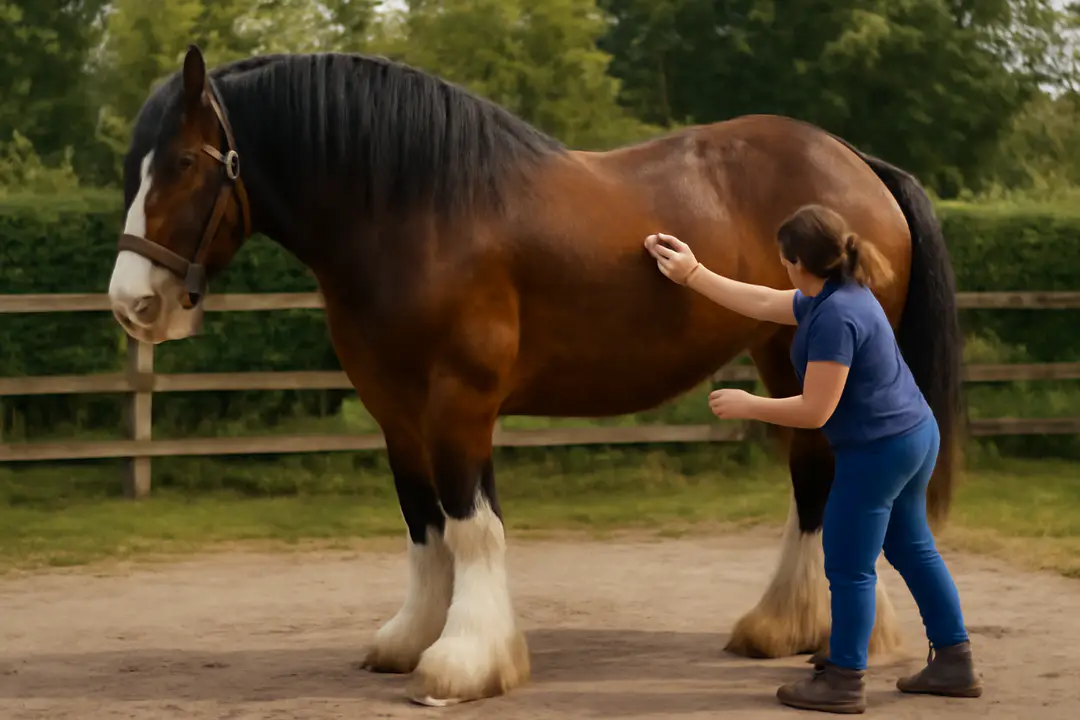
Grooming is more than aesthetics; it’s a health check. Regular brushing removes dirt, stimulates circulation, and helps you spot cuts or skin issues early. Work from head to tail, using a curry comb to loosen mud and a stiff brush to wipe it away.
Follow these steps:
- Pick hooves daily to clear stones and inspect for thrush.
- Use a mane comb gently to avoid breakage.
- Spot-clean feathers around the hooves to prevent mud fever.
- Wipe down with a damp sponge, focusing on eyes and nostrils.
For deeper insight, see a detailed grooming guide that covers coat care, feather trimming, and seasonal shed management. Investing 15–20 minutes a day keeps your Shire shining and healthy.
Use hoof oil sparingly to seal cracks, and clip feathers only if your horse works in wet conditions. Overclipping can expose sensitive skin and increase stall maintenance.
Training and Handling
Shire horses are intelligent and willing but their size demands respectful handling. Begin groundwork before riding. Teach leading, backing, and yielding with clear cues and positive reinforcement. Short, daily sessions build confidence on both sides of the lead rope.
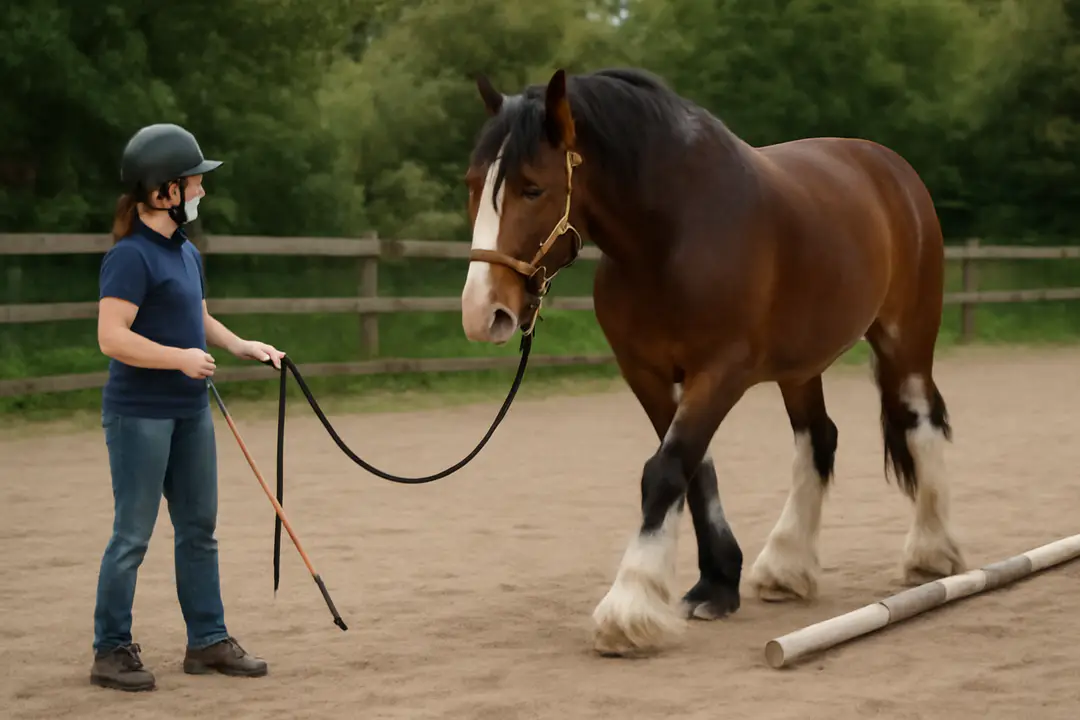
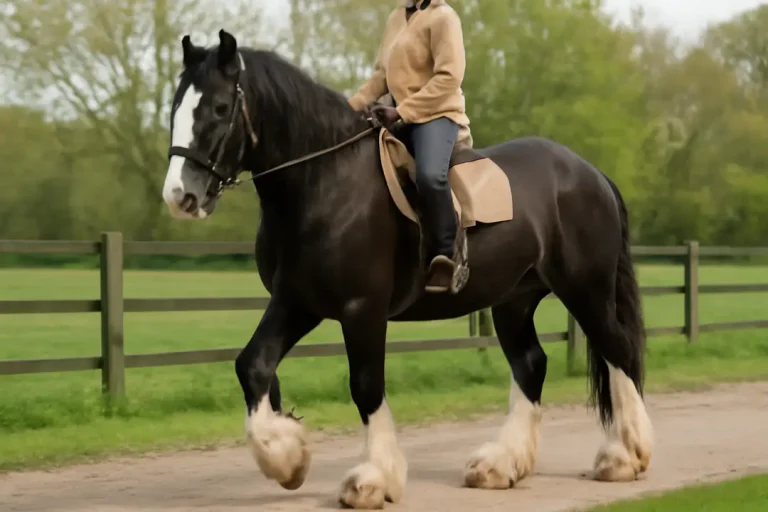
As you progress to harness work or riding, focus on balance and rhythm. Keep sessions under 30 minutes to avoid mental fatigue. Watch body language—ears pinned back or tail swishing can signal frustration or pain.
Practical tip: Use lunging to warm up muscles. A Shire horse loves a good stretch, but always start at walk and only add trot or canter when the horse is relaxed. Ground poles also improve coordination.
Consistency is crucial. Train at the same time each day so your horse knows what to expect. Celebrating small wins—like a smooth circle or an easy halt—reinforces trust and makes learning fun for both of you.
Shelter and Space
Space matters for a draft breed. A Shire horse needs room to move freely and lie down comfortably. Aim for at least one acre per horse on pasture and a stall no smaller than 14 by 14 feet.
Good ventilation and dry bedding prevent respiratory and hoof issues. Use straw or wood shavings under thick rubber mats. Clean stalls daily to avoid ammonia buildup.
Turnout time is vital. Access to a pasture or paddock helps prevent boredom and supports joint health. For larger herds, partition off resting areas so shy individuals get peace.
Learn more about ideal space requirements to design a safe paddock. Fencing should be sturdy and visible—rubber-coated wire or high-tensile tape works well.
Health and Monitoring
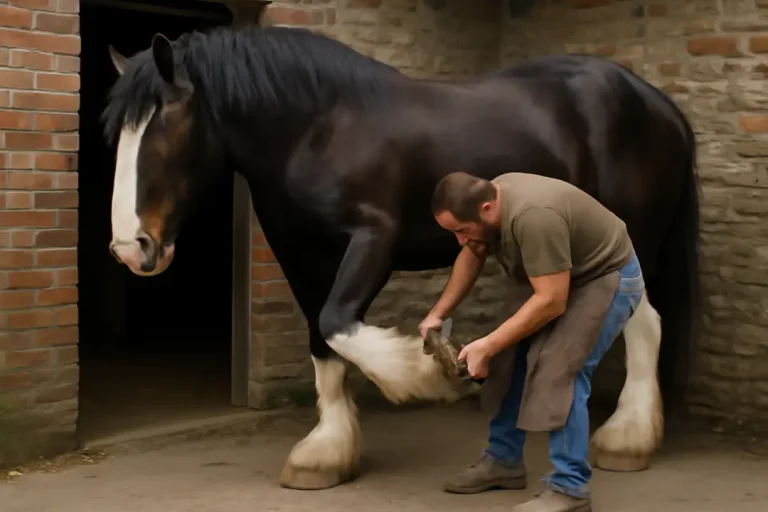
Regular veterinary and farrier visits keep a Shire horse in peak shape. Schedule a vet check twice a year and shoeing or trimming every 6–8 weeks. Big hooves grow fast and need consistent attention.
Watch for signs of colic, lameness, or weight change. A Shire’s average height and weight vary with diet and activity, so track body condition score monthly. Early detection prevents costly treatments later.
Dental exams are often overlooked. Floating teeth once a year promotes proper chewing and avoids ulcers. Likewise, vaccinate against tetanus, influenza, and West Nile virus based on your region.
Maintain an emergency kit: hoof pick, scissors, thermometer, and antiseptic. Knowing basic first aid for cuts or impaction colic can save valuable time in a crisis.
Conclusion
Maintaining a Shire horse blends routine, attention, and respect for its size and nature. Starting with a structured daily care plan, you cover feeding, grooming, and health checks without feeling overwhelmed. Training sessions and proper shelter keep your horse safe and engaged. Consistency and record-keeping help you catch problems early, ensuring your giant companion stays sound, happy, and ready for work or leisure.
By treating each care aspect as part of a bigger picture, you build trust and confidence in your Shire horse. Whether you’re hauling a carriage, showing at a fair, or enjoying trail rides, these maintenance tips form a solid foundation. Embrace the journey and watch your gentle giant thrive under thoughtful, informed care.