
Shire Horse: Definitive Gentle Giant Breed Guide
When you think of a gentle giant on four legs, the shire horse often comes to mind. These majestic animals have pulled carts, worked farms, and led parades for centuries. Yet one aspect that many overlook is how their sheer size affects daily care, from feeding to hoof health. What questions should you ask before welcoming such a large friend into your stable?
Understanding the practical side of caring for a shire horse can help you plan your space, budget, and time wisely. By grasping how size influences nutrition, exercise, and routine maintenance, you’ll avoid surprises and be ready for a smooth partnership with this breed. Let’s explore what makes the shire horse tick and how that knowledge can benefit you.
Breed Origins
The shire horse has roots in medieval England, where it evolved from powerful war horses. As agriculture grew, farmers needed draft animals strong enough to pull plows and wagons. Over time, selective breeding refined their height, strength, and gentle nature. You can explore more about these early records in detailed Shire horse breed history, which highlights how their role shifted from battlefields to barnyards.
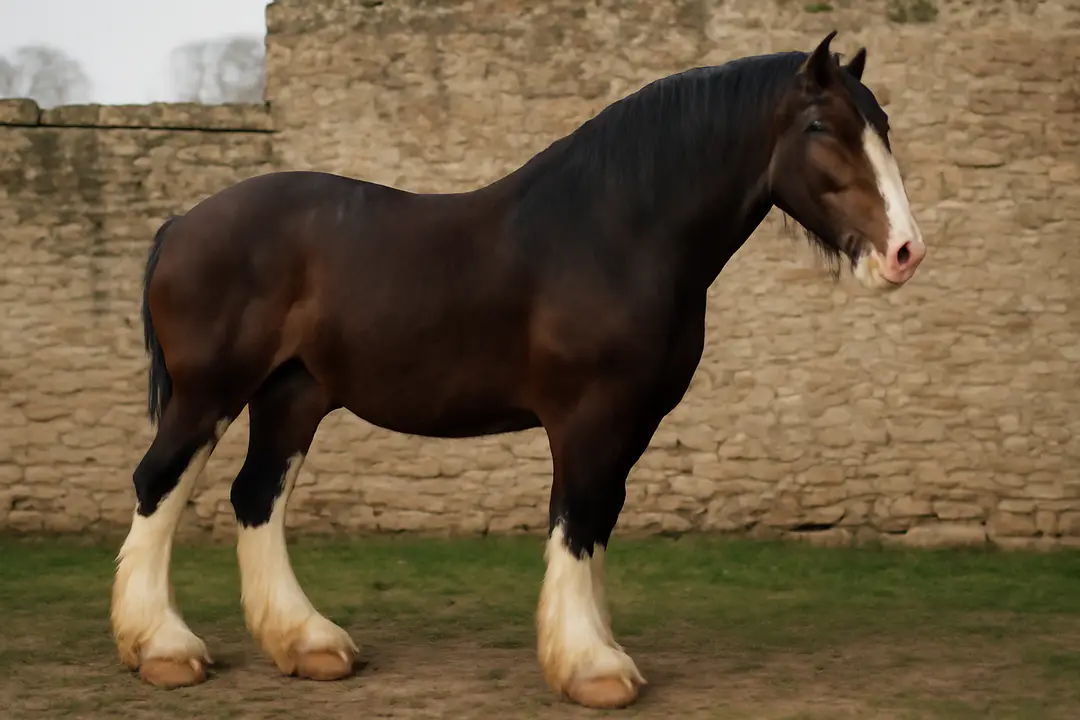
The breed’s name likely comes from the English shires where they thrived. By the 16th century, their image was well established: enormous hooves, feathered legs, and broad backs made them ideal for heavy work. Despite their bulk—some stallions stand over 18 hands high—they earned reputations as calm, dependable workers. Today’s enthusiasts still admire that balance of might and mild temperament.
Physical Traits
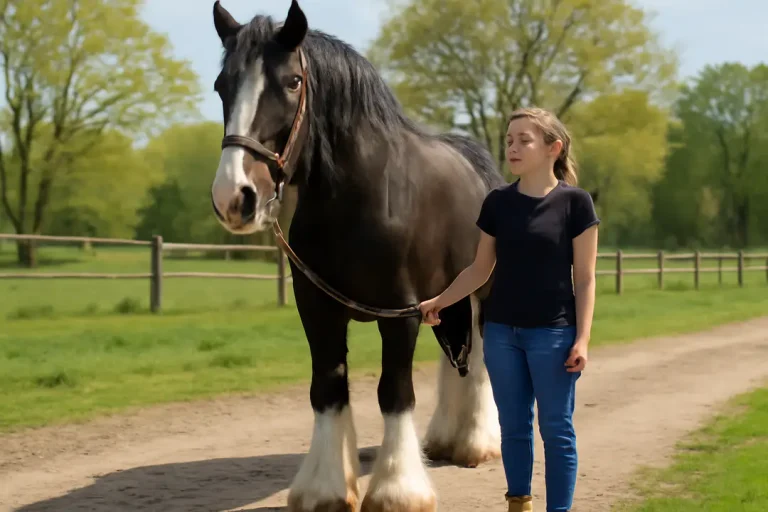
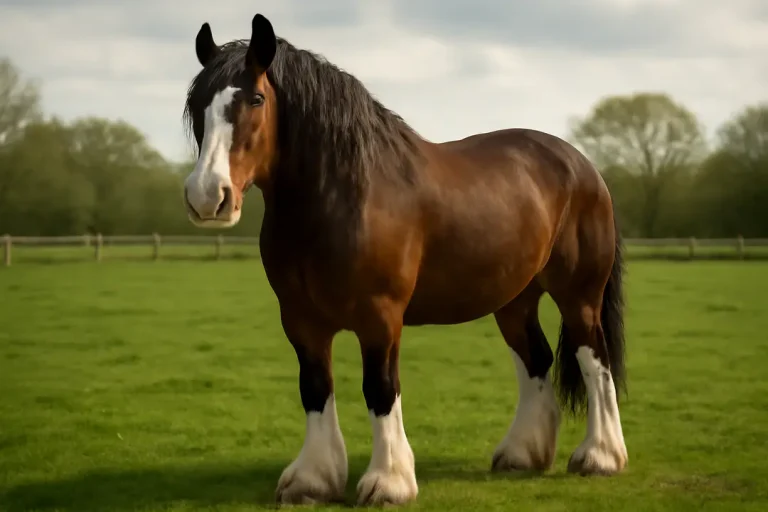
One glance at a shire horse in the field reveals broad shoulders, a deep chest, and strong hindquarters. Males often reach heights of 17 to 18 hands, while mares range slightly lower. Their coats come in bay, black, gray, or chestnut, and thick feathers cover the lower legs. These traits helped them pull loads of two tons or more in the heyday of commercial transport.
Weight is a key factor in planning feeding and shelter. Adult shires typically weigh between 1,800 and 2,400 pounds. Knowing the average Shire horse weight helps you calculate grain, forage, and bedding needs. Their stamina relies on quality hay or pasture supplemented with balanced minerals and vitamins tailored to large drafts.
Temperament Uses
Despite their size, shire horses are known for gentle, patient temperaments. They bond quickly with handlers and adapt to varied tasks. From plowing fields to forest logging, their resilience shines. In show circles, they excel in pulling competitions and parades, where their calm nature prevents spooking around crowds.
Many owners appreciate their suitability for carriage rides and therapy programs. Their slow, steady pace and gentle eyes comfort riders of all ages. When matched with proper training, a shire can excel as a recreational steed. Always introduce new experiences gradually, using positive reinforcement to build confidence and trust.
Care and Grooming
Routine care for a shire horse goes beyond standard grooming. Their heavy feathering traps mud and moisture, so check legs daily. Start by brushing the coat with a soft-bristle brush to remove dirt. Then use a stiff brush on feathers to clear debris and prevent skin issues.
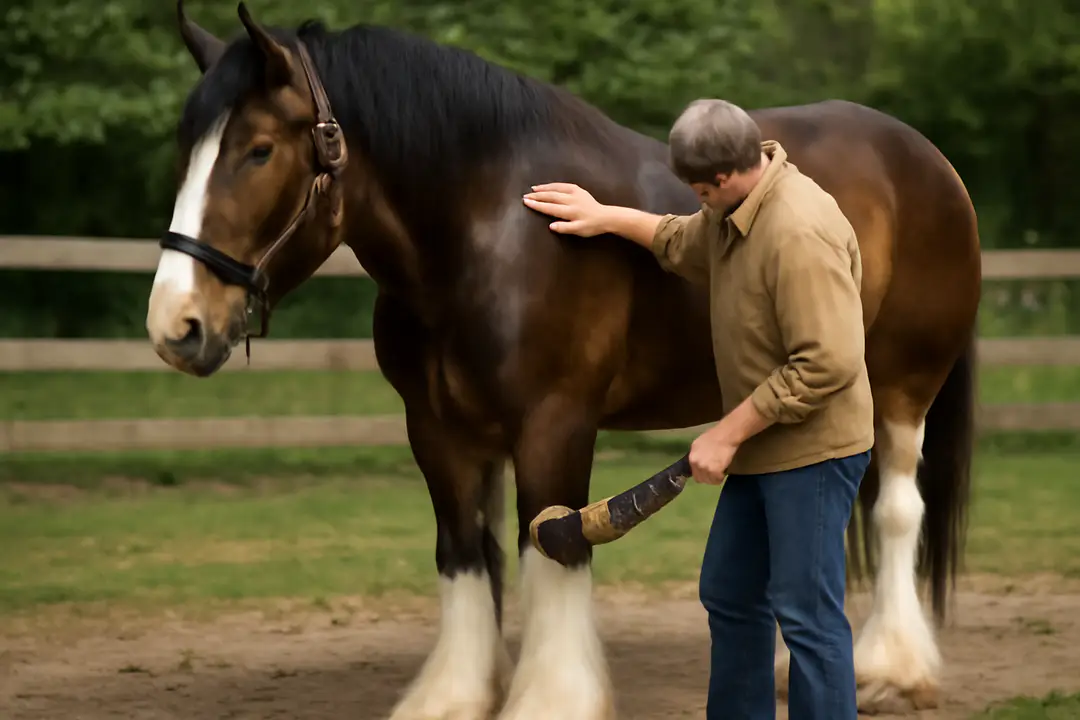
Hoof maintenance is critical. Feathered legs mean more moisture near hooves, which can invite thrush or fungus. Clean out hooves after every ride and apply moisturizer or disinfectant if needed. Trim or shoe them every six to eight weeks to maintain balance for the heavy frame.
Bathing may be necessary before shows or photo shoots. Use gentle shampoo and rinse thoroughly to avoid residue. Dry feathers with a towel or low-heat blower to keep them light and fluffy. With consistent grooming, you’ll reduce the risk of skin problems and keep your shire looking its best.
Training Handling
Training a shire horse requires patience and consistency. Begin groundwork in a quiet area, teaching basic cues like walk, halt, and back up. Use a halter and lead rope to build trust during lunging sessions. Keep sessions short—about 15 to 20 minutes—to match their focus span.
Once they master groundwork, introduce a light harness. Let the horse wear it without a load first, so they adjust to new sensations. Gradually add weight, starting with a light sled or tire, and increase once they move comfortably. Always watch for stiffness or soreness; these signals mean they need more conditioning.
Positive reinforcement—like a gentle pat or small treat—encourages desired behaviors. Avoid harsh bits or forceful methods. With consistent, kind handling, a shire will learn reliably while staying calm. Remember: their size demands secure fences and wide gates for safe movement.
Breed Comparison
Shire horses often get compared to other draft breeds. In particular, their relationship with Clydesdales and Percherons highlights subtle differences in build and temperament. While all are strong, the shire is usually taller and more substantial in bone density. Clydesdales tend to have more refined legs and a higher-stepping gait, making them more showy but a tad lighter.
| Trait | Shire | Clydesdale | Percheron |
|---|---|---|---|
| Height | 17–18 hands | 16–17 hands | 16–17 hands |
| Weight | 1,800–2,400 lbs | 1,600–2,000 lbs | 1,800–2,200 lbs |
| Feathering | Heavy | Moderate | Light |
| Gait Style | Steady | High-stepping | Broad and smooth |
Understanding these differences can help you choose. For farm work, a shire’s massive strength is hard to beat. If you want more flair in a parade, the showy Clydesdales may appeal more. The Percheron sits in between, balancing power and elegance. Your choice depends on your priorities—power or presence.
Health Lifespan
A typical shire horse lives 25 to 30 years with proper care. Regular veterinary checkups catch issues early. Watch for signs of joint stress, such as stiffness after standing or reluctance to work. Maintaining an appropriate weight through controlled feeding reduces strain on hips and hocks.
Nutrition must meet calorie needs without overfeeding. Provide high-quality forage and tailor grain mixes to avoid excess sugars. Joint supplements like glucosamine can support aging ligaments. Always adjust exercise to the horse’s age—older shires benefit from light turnout instead of intense training.
Dental care also matters. Overgrown teeth affect chewing and lead to weight loss. Schedule dental floats annually or bi-annually. With consistent preventive care, many shire owners enjoy long, healthy relationships with their horses, often spanning decades.
Conclusion
The shire horse stands as a living link to an era when muscle power led the way on farms and cobblestone streets. By understanding their origins, unique build, and gentle temperament, you can provide the right environment and care. Grooming, training, and health routines all tie back to one big idea: size matters. Knowing how to feed, exercise, and handle these giants keeps them happy and productive.
Whether you’re drawn to their calm nature for therapy programs or need unstoppable strength for heavy work, the shire horse delivers. Use this guide to plan stabling, nutrition, and regular checkups. Embrace their history and learn from it—this creates a bond that spans beyond work or show rings. At the end of the day, the shire horse offers more than power; it brings a steadfast partnership you’ll treasure for years.