
Sampson Shire Horse Guide: A Complete History & Care
Draft horses have been the unsung heroes of farms and forests for centuries, carrying heavy loads and plowing fields where modern machines now dominate. While most people focus on their sheer size and strength, one aspect often overlooked is how detailed bloodline records shape behavior, health, and performance in a Sampson Shire Horse. Understanding those pedigrees can be the difference between a reliable work partner and unexpected training hurdles. But how exactly do these pedigrees affect your Sampson Shire’s temperament and well-being?
Knowing how lineage influences traits gives you a clear picture of what to expect in growth, temperament, and potential health concerns. By grasping the importance of bloodlines, you can make informed decisions when selecting, breeding, or training your draft horse. This insight prevents surprises down the road and ensures you invest time and resources wisely in a horse that fits your goals.
Sampson (a.k.a. Mammoth) – The Tallest & Heaviest Horse in History
📌 Quick Facts
| Attribute | Details |
|---|---|
| Name | Sampson (later renamed Mammoth) |
| Breed | Shire Horse |
| Foaled | 1846 |
| Place of Birth | Toddington Mills, Bedfordshire, England |
| Breeder | Thomas Cleaver |
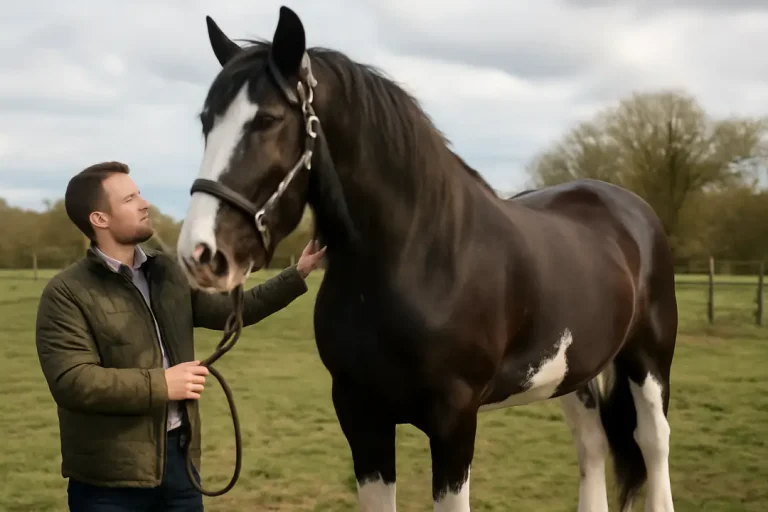
| Height | 21.25 hands (approx. 2.19 meters) |
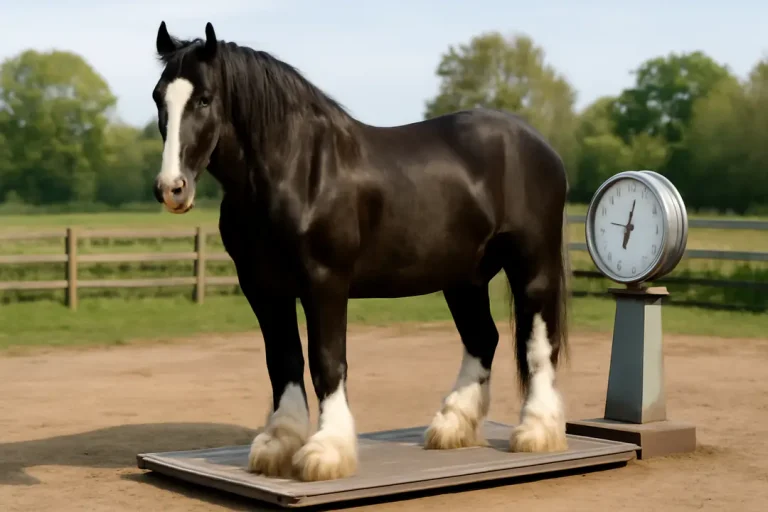
| Weight | Approx. 3,360 lbs (≈ 1,524 kg) |
| Recognition | Tallest and heaviest horse ever recorded |
Breed Origins and Roots
The Sampson Shire horse traces back to the famed “Sampson,” a stallion born in 1846, who stood over 21 hands tall and weighed nearly 3,000 pounds. Bred primarily in Suffolk, England, the Shire line was refined through careful pairing of strong mares with exceptional stallions like Sampson. Over time, breeders kept detailed stud books to maintain size, strength, and resilience.
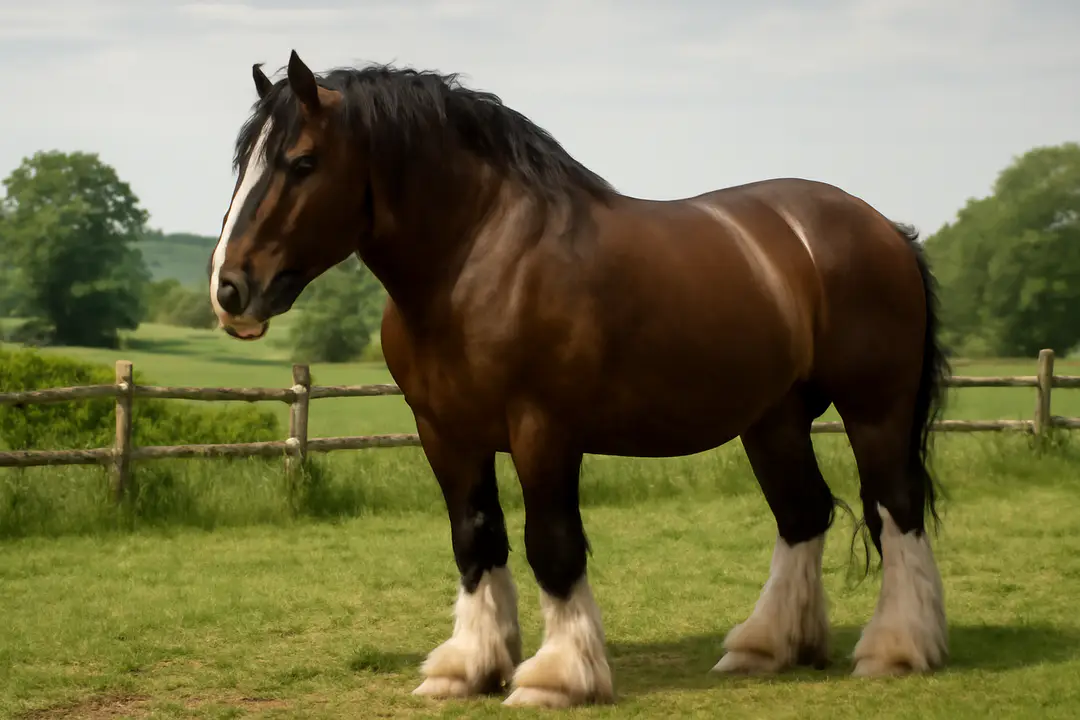
These records helped establish consistent traits—broad backs, sturdy limbs, and a calm disposition that farmers depended on. Today’s Sampson Shire enthusiasts rely on those same archives to trace bloodlines and predict potential health issues. If you want a deeper look at how these traits and care recommendations evolved, a comprehensive breed guide can provide further insight.
Practical tip: Before purchasing or breeding, review at least three generations of pedigree notes. Check for repeat names linked to sound health and stable temperaments. This background check sets the stage for a predictable, long-lived work companion that lives up to the Shire’s legendary strength.
Size and Appearance
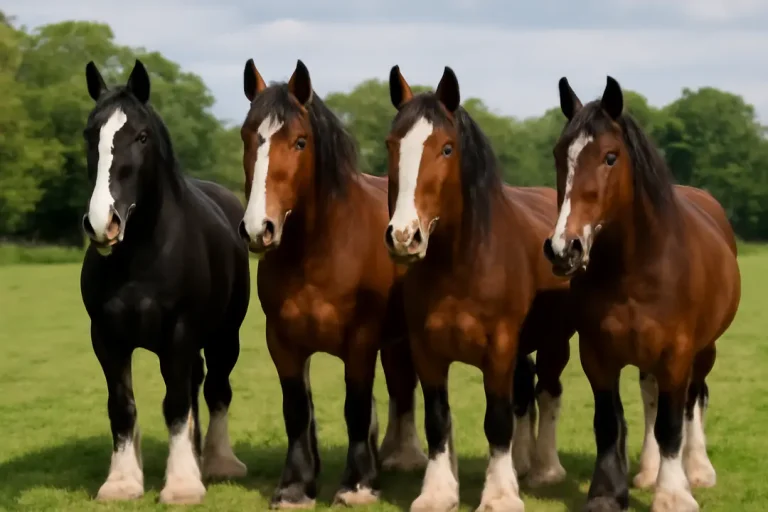
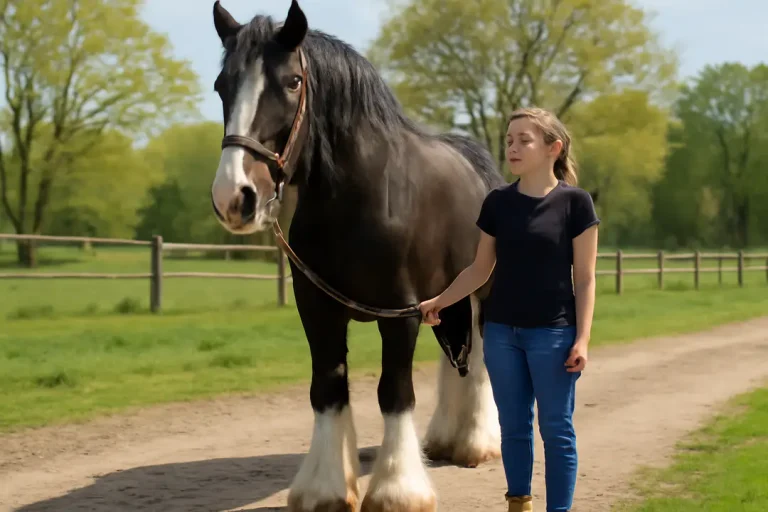
Sampson Shire Horses stand between 17 and 19 hands high, though some exceptional specimens still approach Sampson’s original stature. Mature weight can range from 1,800 to 2,200 pounds, demanding sturdy stalls and reinforced fencing. Their broad chests, powerful hindquarters, and arched necks give them a majestic profile that commands attention.
Coat colors vary—common shades include bay, black, and gray. Their heavy feathering on the lower legs is iconic but requires regular care to prevent skin issues. You’ll spot silky “feathers” brushing the ground, which can trap moisture and debris if not managed.
Practical tip: Measure your stall door and gate height before bringing a young Shire home. Adult height and bulk can exceed your initial estimates. For show or parade, maintain a trimmed outline along the fetlocks to highlight hoof movement without compromising their protective feathering.
Temperament and Work
Known for their calm nature, Sampson Shire Horses adapt well to new environments when introduced gradually. They respond best to gentle correction and clear, consistent cues. Early socialization—meeting different handlers, noises, and equipment—builds confidence and reduces spookiness.
Historically, these horses pulled plows, hauled timber, and even carried artillery. Today they shine in logging, carriage rides, and ceremonial parades. Their patient temperament makes them ideal for novice handlers or family farms where safety is a top priority.
Practical tip: Spend ten minutes each day on groundwork—leading, yielding hindquarters, and backing—to establish trust. Use positive reinforcement with soft brushes or gentle pats. This approach reinforces their willingness to work and reduces resistance when you hitch a load.
Feeding and Nutrition
Sampson Shires require a diet tailored to sustain their massive frames and activity level. Roughage should form 70–80% of daily intake, usually in the form of quality hay or pasture grass. At 2% of their body weight, a 2,000-pound horse needs around 40 pounds of forage per day.
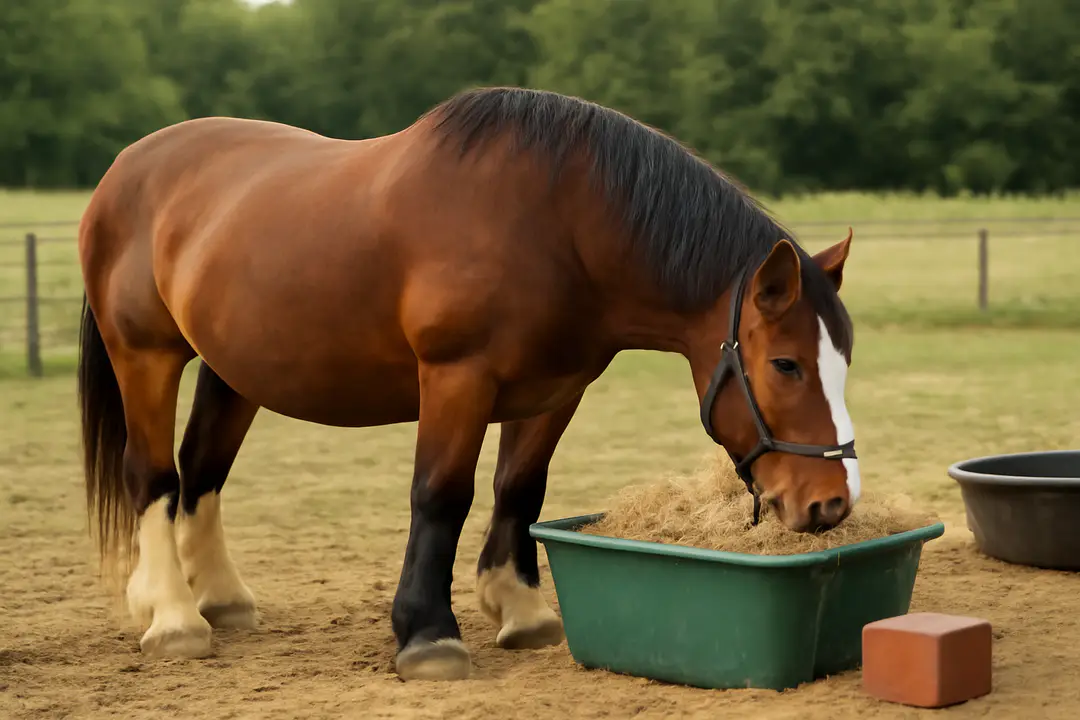
Supplement with grains or pelleted feeds only if you increase workload. High-fiber, low-starch concentrates help maintain steady energy without risking colic. Provide free-choice salt and mineral blocks to offset nutrient gaps.
Water intake is critical—20 to 30 gallons per day depending on weather and work. Monitor hydration by checking skin elasticity and tracking daily consumption. In winter, use heated buckets to ensure consistent access.
Practical tip: Weigh your horse monthly on a livestock scale or use a weight tape. Adjust feed as needed to avoid obesity or weight loss. Proper nutrition underpins joint health and soundness in these heavyweight athletes.
Grooming and Health Care
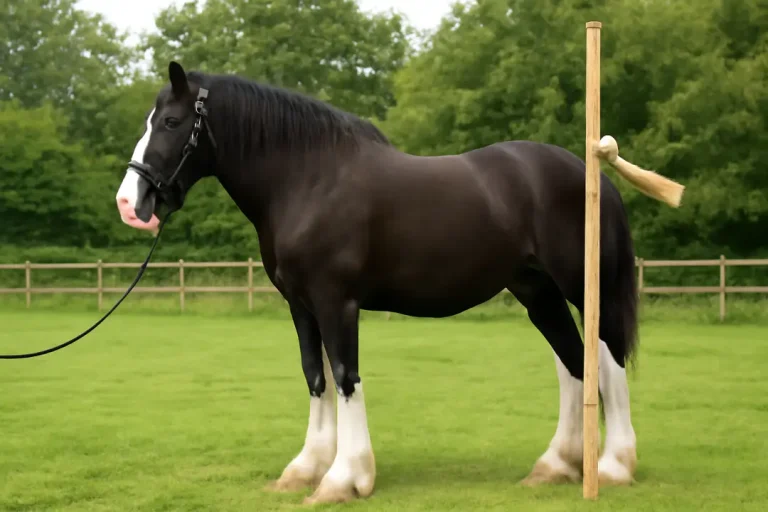
Regular grooming keeps the Sampson Shire Horse comfortable and his coat shining. Daily brushing removes dirt and loose hair, while a wide-tooth comb clears debris from feathered legs. These feathers can trap mud and moisture, leading to mud fever and skin infections.
Every week, check hooves for stones, cracks, or thrush. Their large hooves require professional farrier attention every six to eight weeks. Trimmed feathers around the coronet band also help prevent matting.
Vaccinations and deworming follow a standard equine schedule, but weight-based dosing is crucial. Work with your veterinarian to adjust medication volumes for a 2,000-pound draft horse. Learn more about a detailed grooming walkthrough that covers feather care and routine checks.
Practical tip: Create a grooming station with a rubber mat and easy-to-reach tool caddy. Keeping everything in one spot reduces handling time and lets you spot cuts or irritations early.
Training and Handling
Building a solid foundation is key for a Sampson Shire’s confidence and cooperation. Follow a step-by-step approach:
- Groundwork Basics: Begin with leading exercises, yielding hindquarters, and backing up. Aim for calm responses in a quiet arena or paddock.
- Desensitization: Introduce tarps, flags, and lightweight harness gear. Let the horse investigate at his own pace to reduce fear of new tools.
- Light Hitching: Attach a small sled or block cart without load. Practice walking in a straight line, stopping, and backing under guidance.
- Gradual Loading: Increase weight in small increments. Monitor effort and breathing—don’t push past comfortable limits.
- Consistent Sessions: Work 20–30 minutes per day, three to four times weekly. Consistency builds muscle memory and trust.
Practical tip: Always end training on a positive note. A brief pat and a few minutes of free movement reinforce eagerness to learn the next day.
Conclusion
Choosing a Sampson Shire Horse means embracing a breed built on legacy, power, and gentle temperament. By tracing their bloodlines, you gain insight into traits that matter most for your farm or hobby. Understanding size and appearance helps you prepare proper housing and equipment, while clear feeding and grooming regimens safeguard their health. Thoughtful training cements a bond of trust and ensures your draft horse performs safely and willingly.
With this guide, you’re equipped to avoid surprises—be they genetic quirks, feeding imbalances, or handling hesitations. Dive into your Shire’s pedigree, tailor nutrition to their bulk, and maintain a consistent care schedule. These steps bring out the best in these majestic giants, turning them into reliable partners that honor the legacy of Sampson himself. Now, it’s your turn to step into a long-standing tradition and watch your draft horse thrive.