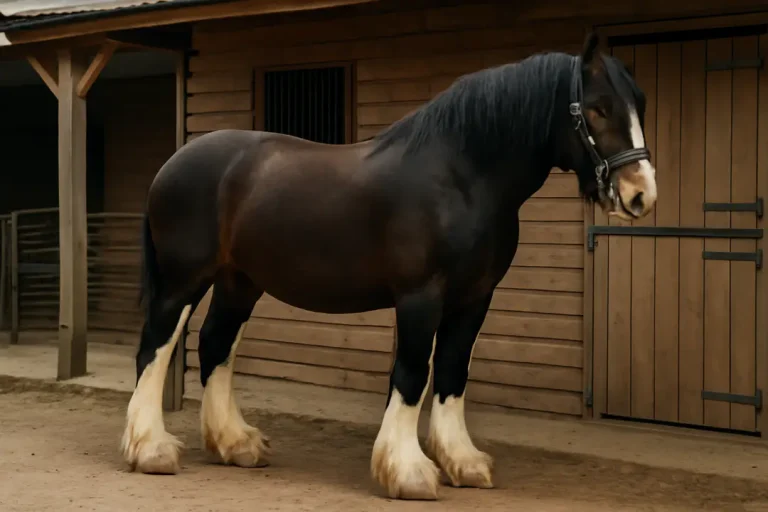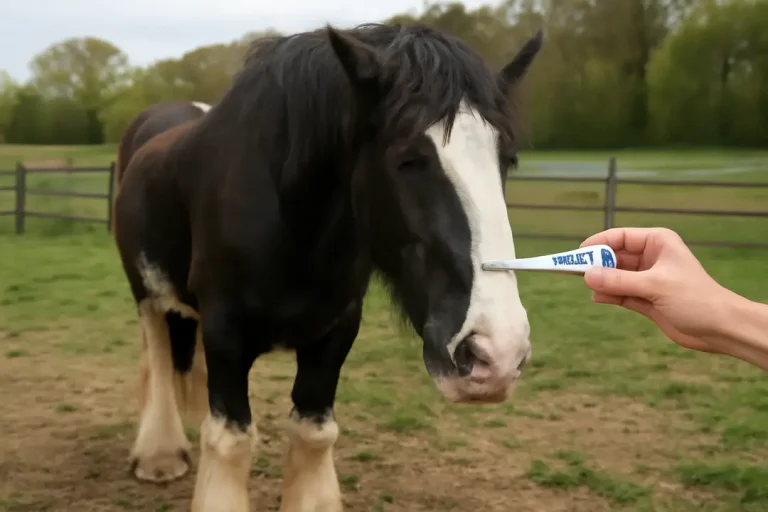

Shire Horse Grooming Guide: Care for Gentle Giants
Grooming a Shire horse is more than just a chore—it’s a bond-building ritual that keeps your gentle giant healthy and happy. Yet many riders overlook the importance of proper feather cleaning around the horse’s lower legs, leading to matting and skin issues. Have you ever wondered how often those thick feathers should be treated and why it’s so critical to your horse’s well-being?
Regularly understanding how to clean and maintain feathered legs prevents discomfort, infection, and keeps your Shire looking its best. With clear steps and the right tools, any owner can master this task, making grooming time smoother and more effective. By getting a handle on feather care, you’re setting yourself up for a healthier, more comfortable horse with a coat that gleams in the sun.
Feather and Coat Care
Before you start, it helps to remember what makes a Shire horse unique. From their broad frame to their thick feathers, every part needs attention. These heavy hairs at the fetlocks trap dirt and moisture, so daily checks are key. Begin by gently brushing away mud with a soft brush, then use a damp cloth to wipe the skin below. This removes grit without pulling out hairs.
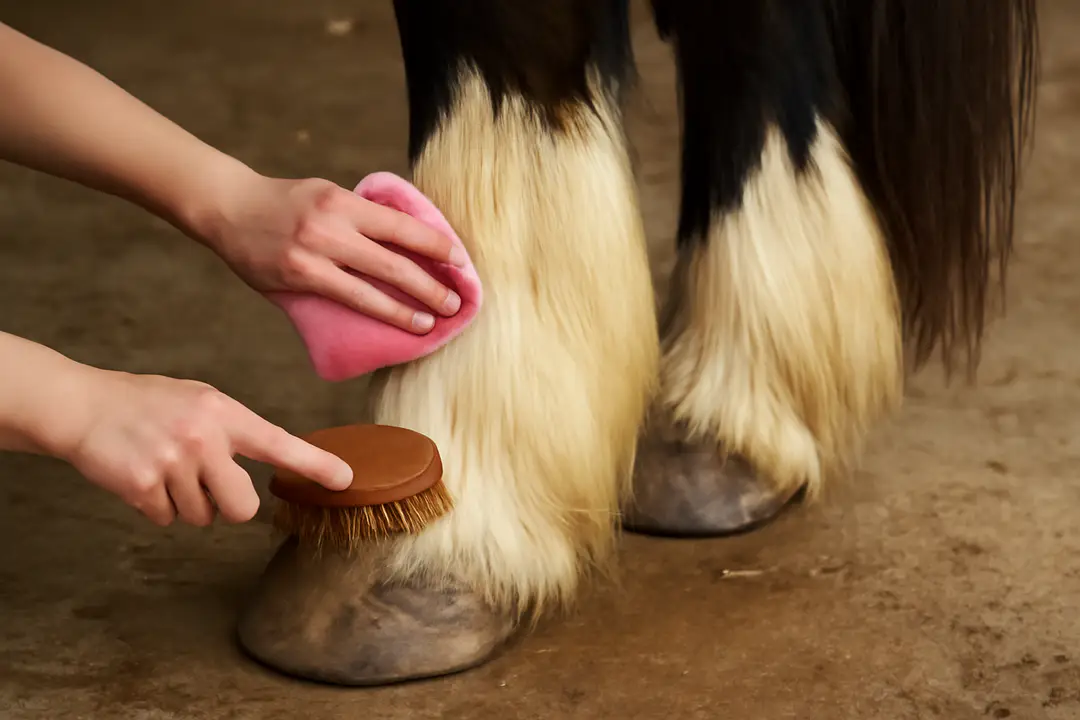
Next, apply a mild equine shampoo around the lower legs once a week. Work it into the feathers and rinse thoroughly to avoid residue. After washing, pat the area dry with towels and let air flow freely—good ventilation stops fungal growth. For extra care, a light mist of anti-fungal spray can protect against scratches.
Practical tip: Keep a small travel kit of brushes, sponges, and spray in your grooming box. A quick wipe after turnout will cut down on deep cleans. By making feather care part of your routine, you’ll help maintain shine and prevent skin problems. And if you’d like more on these steps, a guide on what makes a Shire horse unique can give you added insight into their special needs.
Bathing and Drying Steps
Bathing a Shire horse feels rewarding but takes planning. Their large size means more water, more shampoo, and extra time. Pick a warm day or use a wash stall with good drainage. Before wetting your horse, brush away mud and loose hair to speed up the rinse.
Follow these steps for a full bath:
- Wet from neck down, avoiding the head at first.
- Apply a diluted gentle shampoo, working in sections.
- Use a stiff brush on the body, softer one on feathers.
- Rinse thoroughly until water runs clear.
- Condition mane and tail if needed.
- Wipe legs and feathers with a sponge.
Drying is just as vital. Use sweat scrapers on the body, then pat feathers with towels. Avoid rubbing too hard; their hair can tangle in knots. Bring the horse indoors or under shelter to finish drying—cold, damp hair on heavy horses can lead to chills.
Data point: Shire horses can stand in a wash stall for up to 20 minutes without stress if the temperature is right. Keep water pressure moderate to avoid startling them. A calm environment and slow, steady motions will turn bath time into a pleasant ritual rather than a chore.
Brushing Basics
Brushing a Shire horse does more than clean—it boosts circulation and strengthens your bond. With so many brush types, it can feel confusing. Here’s a quick table to guide you:
| Brush Type | Purpose | Frequency |
|---|---|---|
| Curry Comb | Loosen dirt and hair | Daily |
| Stiff Brush | Remove mud and debris | After turnout |
| Soft Brush | Smooth coat and add shine | Daily |
| Mane Comb | Untangle mane and tail | 3–4 times/week |
Start with the curry comb in small circles on the body, avoiding bones and joints. Follow with the stiff brush, working in the direction of hair growth. Finish with the soft brush to lay down the coat. For the feathers, a soft brush ensures you don’t pull out long hairs.
For a deeper guide, many owners find a comprehensive coat care routine invaluable. Linking back to a detailed grooming guide helps you match products and tools to your horse’s needs. Always check your brushes for grit after each session to prevent scratches on sensitive skin.
Hoof Cleaning Routine
Healthy hooves support every step of your Shire horse’s life. Neglect can lead to cracks, thrush, or uneven wear. Make hoof picking part of your daily check. Stand beside your horse’s shoulder, gently lift a foot, and hold it securely.

Use a hoof pick to remove packed mud, stones, and debris. Always start at the heel and work forward to the toe. Check the frog for soft spots or foul odor—signs of thrush. If you find any, apply a thrush treatment according to the product label. Wipe the hoof clean with a damp cloth.
Once clean, run your finger along the hoof wall to feel for chips or cracks. Small chips can be filed down with an equine rasp. For larger issues, call your farrier. Keep a hoof oil on hand for dry days—this helps prevent splits. A quick shine of oil before a show or photo shoot makes hooves gleam.
Practical tip: Carry a hoof kit with pick, rasp, oil, and thrush spray to every turnout. Early action can stop problems before they grow. A well-kept hoof leads to a happier, more comfortable horse that moves freely.
Mane and Tail Maintenance
A Shire horse’s mane and tail are part of its majestic look. But long hair can tangle, collect burrs, and even hide injuries. Detangling regularly keeps hair and skin healthy. Start by misting the mane and tail with a leave-in conditioner to ease knots.
Use a wide-tooth comb or your fingers to work through tangles gently. Hold the hair near the root to avoid pulling on sensitive follicles. Work from the bottom up, moving in small sections. After detangling, rinse lightly and pat dry. You can braid the mane for turnout to reduce tangles and keep feathers out of the way.
At least once a month, give the mane and tail a deeper clean. Use a mild shampoo and rinse thoroughly. Check for any hidden cuts or irritation. After washing, let the hair air dry or use a low-heat blow dryer on a small setting—too much heat can weaken the hair shaft.
Practical tip: Hang the tail in a loose braid overnight. This prevents mats and makes morning grooming faster. Healthy hair growth often reflects good nutrition, so ensure your Shire’s diet includes biotin or talk to your vet about supplements.
Seasonal Grooming Tips
Grooming needs change with the seasons. In winter, heavy coats trap heat and mud, while in summer, sweat can irritate the skin. Adjust your routine to match these shifts. During colder months, focus on removing mud and using a sweat scraper to avoid damp spots under the hair.
When the weather warms, consider a light body clip to reduce sweating. A clipped horse dries faster and is less prone to heat stress. Just be mindful of sunburn on white patches—apply sunscreen to sensitive areas. In spring, shed your Shire’s winter coat by increasing daily brushing. This prevents hair mats and lets fresh air reach the skin.
Keep an eye on flea, tick, and insect activity in warmer months. Use fly spray or a fly sheet to protect your horse. In fall, inspect for skin lesions hidden beneath new growth. Always follow up with grooming checks after turnout.
Because of their gentle disposition, Shire horses often tolerate grooming well, but you should still watch for signs of discomfort. A quick look over the coat, legs, and mane each day can spot issues early. Seasonal grooming keeps your horse healthy year-round and saves you time on deep cleans later.
Conclusion
Grooming a Shire horse blends care, technique, and knowledge of the breed. From cleaning heavy feathers to checking hooves and managing manes, each task builds trust and prevents health issues. A steady routine lets you spot changes early—whether it’s a skin rash in spring or mud-packed feathers in winter.
By using the right brushes, shampoos, and hoof tools, you can keep your gentle giant looking its best. Seasonal tweaks ensure comfort through heat and cold. And when bath time or mane care feels like a ritual, it’s also a moment to bond, deepening your relationship.
Start small—add a feather wipe or daily hoof pick to your schedule. Over time, these steps become second nature and pay off in a gleaming coat and sound hooves. Your Shire will reward your efforts with a happy, healthy stride. Now grab your grooming kit and make your next session the best one yet.