
Black Shire Horse Guide: Origins, Traits, Care, Names
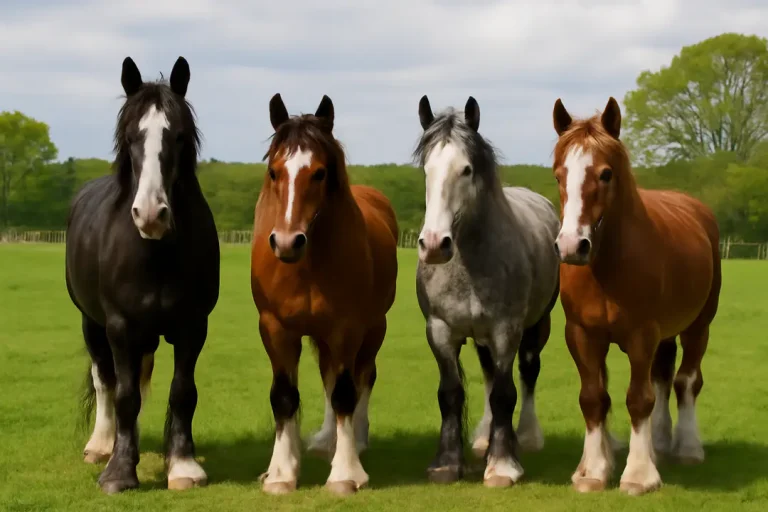
There’s something special about a Shire horse standing tall in the pasture, its glossy black coat catching every beam of sunlight. Yet many people focus on size and strength without realizing how coat color can affect grooming needs and overall health. That deep black hue isn’t just for show—it hints at genetic factors and skin sensitivity that few notice. Have you ever wondered how much a black coat changes the way you care for these gentle giants?
Understanding coat color goes beyond aesthetics. It helps you pick the right shampoo, adjust turnout schedules, and even choose fly protection. That knowledge keeps your horse comfortable, prevents skin issues, and saves you from unexpected vet bills. Let’s explore how knowing the ins and outs of that shiny black coat puts you a step ahead in caring for your Shire horse.
Origins and History
Black Shire horses trace their lineage to medieval England. Farmers needed strong, calm animals to pull heavy plows and carts. Over centuries, breeders selected for power, size, and a uniform coat. The black variant gained a reputation for elegance in ceremonial processions.

Records from the 16th century show black Shires used in royal parades. Their dark color made them stand out against lighter horses. Today, enthusiasts preserve this rare coat by careful pairings. If you want a deeper dive into the breed’s background, the online history guide is a great resource.
Practical tip: When checking breeding stock, look for clear skin under the coat and healthy feathering on the legs. These traits often signal good genes and sturdy hooves.
Physical Traits
What sets black Shire horses apart? Beyond their glossy coat, they share classic draft features:
- Height: Often 17–18 hands tall.
- Massive shoulders and hindquarters for pulling power.
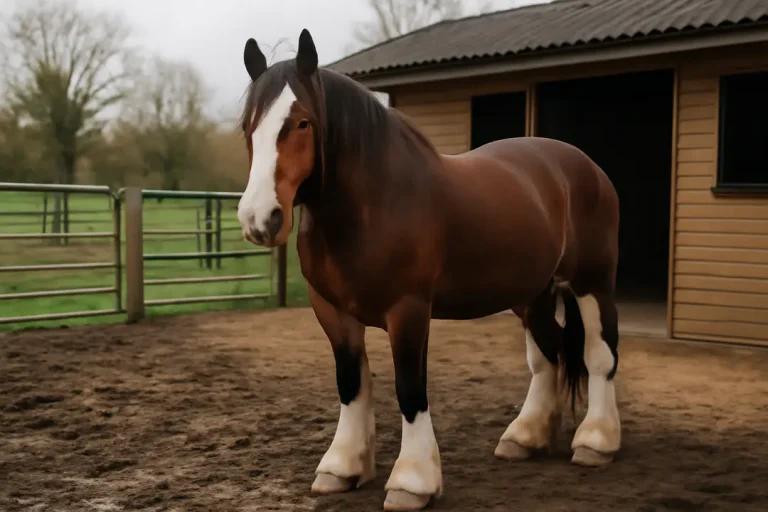
- Feathered legs that need extra grooming care.
- Dense mane and tail that show off their coat.
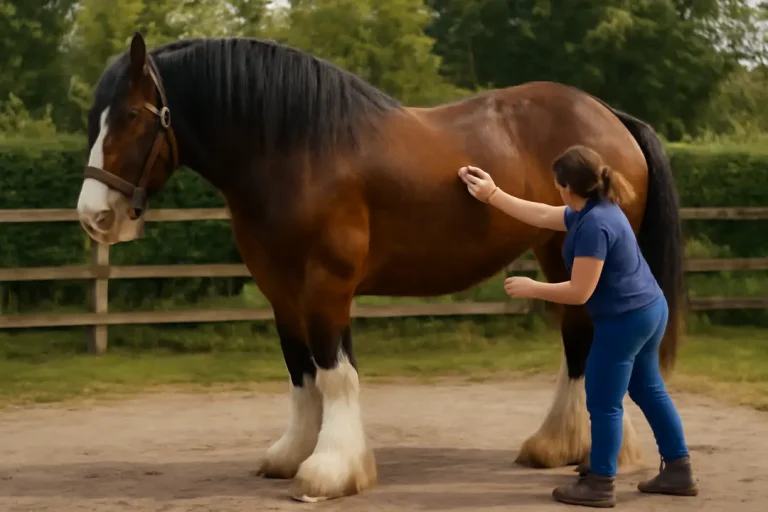
Those feathers look beautiful but can trap mud and moisture. Wash them weekly with a gentle shampoo and dry well. Use a soft brush on the body to keep the black hair shiny. Too much sun can fade the coat, so turn out in morning or evening when possible.
Practical tip: Apply a UV-protectant spray on sunny days. It helps preserve that deep color and prevents sunburn on sensitive skin patches.
Temperament and Uses
Black Shire horses are known for their calm and steady nature. They rarely spook at new sights. Riders and handlers praise their willingness to work without too much fuss. This temperament makes them ideal for both farm work and riding.
In modern times, you’ll find them pulling carriages at weddings, competing in driving trials, or giving trail rides. They adapt well to different workloads. Just match your training plan to their physical and mental pace.
Practical tip: Use positive reinforcement such as treats or a soft voice. Shires respond well to gentle guidance instead of harsh commands.
Care and Maintenance
Caring for a black Shire is about balancing their size and coat needs. Here’s a simple routine:

- Daily brushing: Remove dust and check for skin issues.
- Weekly wash: Focus on feathers, mane, and tail.
- Hoof care: Trim or shoe every 6–8 weeks.
- Fly protection: Use masks or sheets during warm months.
Diet matters too. High-fiber feeds along with free-choice hay help maintain muscle tone without excess weight. Check body condition monthly and adjust grain or supplement levels as needed.
Practical tip: Monitor skin under feathers for mites or fungus. A vinegar rinse can help keep that area clean and dry.
Choosing a Name
Names bring personality to your black Shire. Here are ten ideas to get you started:
- Midnight Majesty
- Ebony Titan
- Shadow King
- Raven’s Pride
- Blackstone
- Obsidian Dream
- Onyx Charger
- Nightfall
- Darkwood
- Silhouette
Looking for more inspiration? Check out this list of 40 unique names to find the perfect match for your horse’s personality.
Practical tip: Test the name by calling it in the paddock. Choose one that feels natural and the horse responds to.
Training Basics
Training a large draft breed means focusing on patience and consistency. Start with groundwork. Lead your horse through obstacles and low jumps to build confidence. Keep sessions short—around 20 minutes—to prevent fatigue.
As your Shire grows stronger, introduce light harness work. Attach a small cart or weighted sled. Gradually increase load over weeks, not days. This builds muscle without risking joint strain.
Practical tip: Always warm up with a walk and light trot. End with a cool-down period to help muscles recover.
Conclusion
Black Shire horses combine power, calm temperament, and a stunning coat. By learning how coat color affects care, you can prevent skin issues and keep your horse looking its best. From grooming and diet to training and naming, each step contributes to a strong bond and a happy animal. Embrace these tips, and your black Shire will thrive in any setting. Now you’re ready to give your gentle giant the attention it deserves and enjoy every moment together.