Shire Horse Work Demos: Guide to Farm Show Performances
We all love watching a mighty Shire horse pull a heavy load and showcase its strength and grace in a demo. Yet many miss how crucial the demo setup and flow are to making that moment memorable. What steps turn a simple pull into a captivating performance that highlights the horse’s best traits?
By understanding those behind-the-scenes details—like arena layout, clear signals for the horse, and crew coordination—you’ll see smoother shows and happier audiences. Knowing these elements means fewer surprises on demo day and more confidence when presenting your Shire in action.
Understanding Work Demos
A Shire horse work demo isn’t just about raw power. It’s a storyline played out in an arena or field. You begin by explaining what tasks you’ll show, whether it’s logging, ploughing, or hauling. This sets context and builds anticipation.
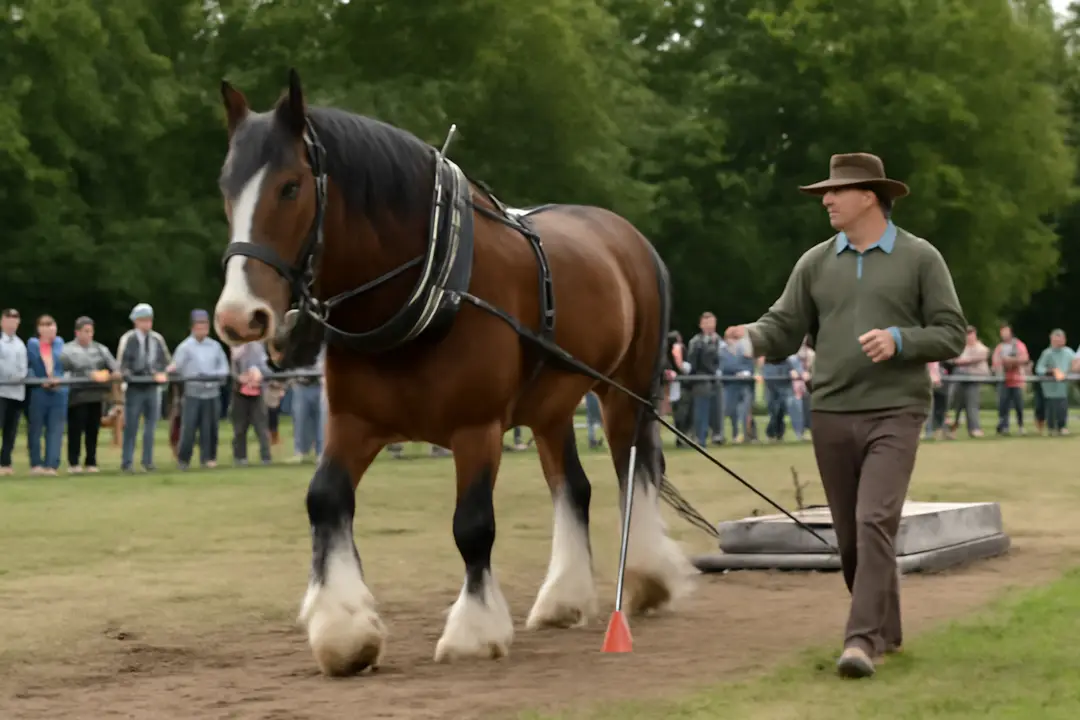
Next, introduce the horse slowly. Walk it in, let people see its feathered hooves and calm eyes. A quiet start keeps the audience connected and relaxed. Then move into the main task, like pulling a weighted sled. Gradually increase the challenge so viewers watch strength in action without feeling overwhelmed.
Practical tip: use clear markers on the ground to show distances or weights. Mention each milestone—“Here we see Bella pull 500 kg beyond ten meters.” That simple call-out educates and holds interest. It also helps judges or new fans understand why Shires stand out among draft breeds.
Prepping Your Shire
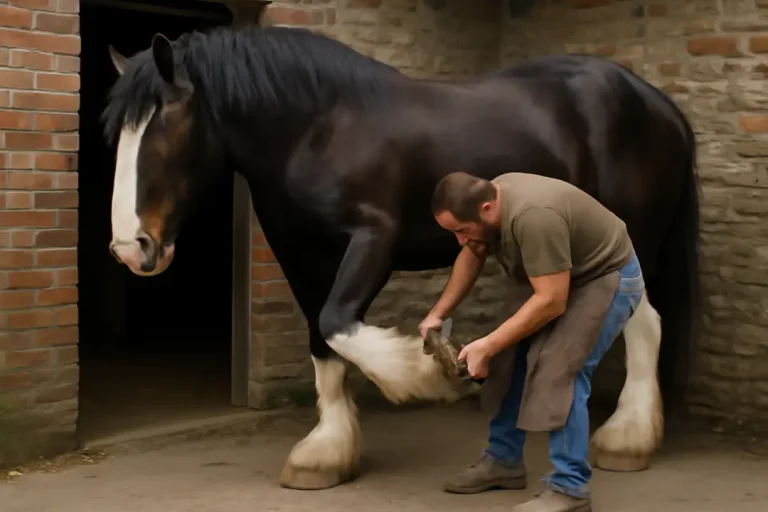
Getting a Shire ready for a work demo starts days before. Check its hooves, legs, and overall health. Groom thoroughly, paying attention to feathering on the lower legs. Clean feathers prevent mud or stones from causing discomfort under harness.
Next, follow a consistent diet and exercise plan. A balanced feeding schedule helps the horse build stamina without excess weight. Refer to a solid daily care routine for timing hay, grains, and turnout. That routine keeps energy levels stable and coat shine bright.
On demo morning, start with a light warm-up. Walk and then trot for ten minutes. Check tack fit one more time—any pinch point can distract the horse. Finally, keep water and a small snack ready so the horse stays hydrated without a full stomach that could slow it down.
Essential Equipment
Choosing the right gear ensures comfort and safety for both horse and handler. Key items include:
- Sturdy leather harness with well-fitted collars
- Well-padded breeching to protect the hindquarters
- Strong traces and hames that suit the horse’s build
- Adjustable lines or ropes to control pace
- A weight sled or plough appropriate to the demo level
Inspect each piece regularly. Look for frayed stitching, worn buckles, or hard spots in the leather. A small tear ignored can become a major hazard under load. Keep backup straps or traces on hand in case something fails during setup.
Practical tip: label each piece of gear for its size and demo type. That way, your team grabs the right harness when time is tight. Organized equipment means less stress and a polished presentation.
Training for Tasks
Shire horses shine when they know their job. Training starts with basic ground manners—leading, standing, and backing up on command. From there, introduce light loads and simple hauling exercises.
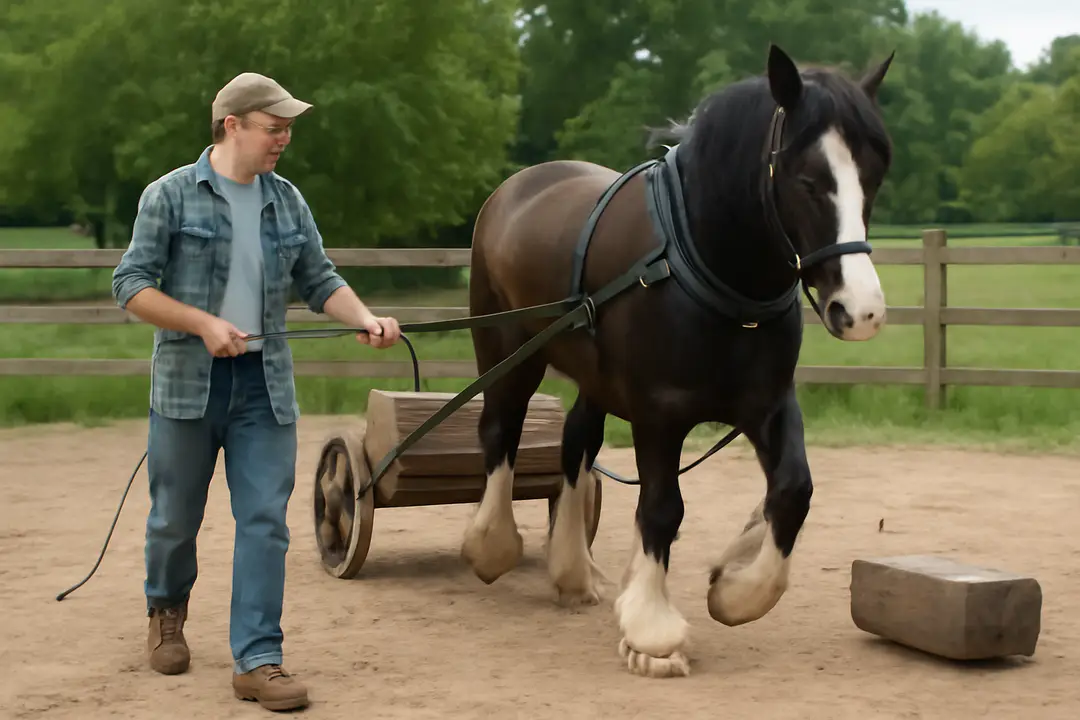
Gradually increase weight or resistance over weeks. Always reward calm effort with praise or a treat. Consistent, positive training helps the horse understand the demo sequence without stress. If you want more advanced help, check out these training tips that focus on draft breeds.
Once your horse can handle weight, practice timing. Work on smooth transitions between walking, stopping, and turning. How you cue the Shire influences audience perception—sharp moves can look jerky, while fluid changes feel elegant.
Practical tip: film short sessions and review them. Watching yourself gives new ideas on pacing or voice cues. Share clips with other handlers to get feedback and fine-tune your approach.
Demo Styles Compared
Not all work demos look the same. Below is a quick comparison of common styles:
| Demo Type | Main Task | Audience Effect | Skill Highlighted |
|---|---|---|---|
| Static Pull | Weighted Sled | Visual Strength | Sheer Power |
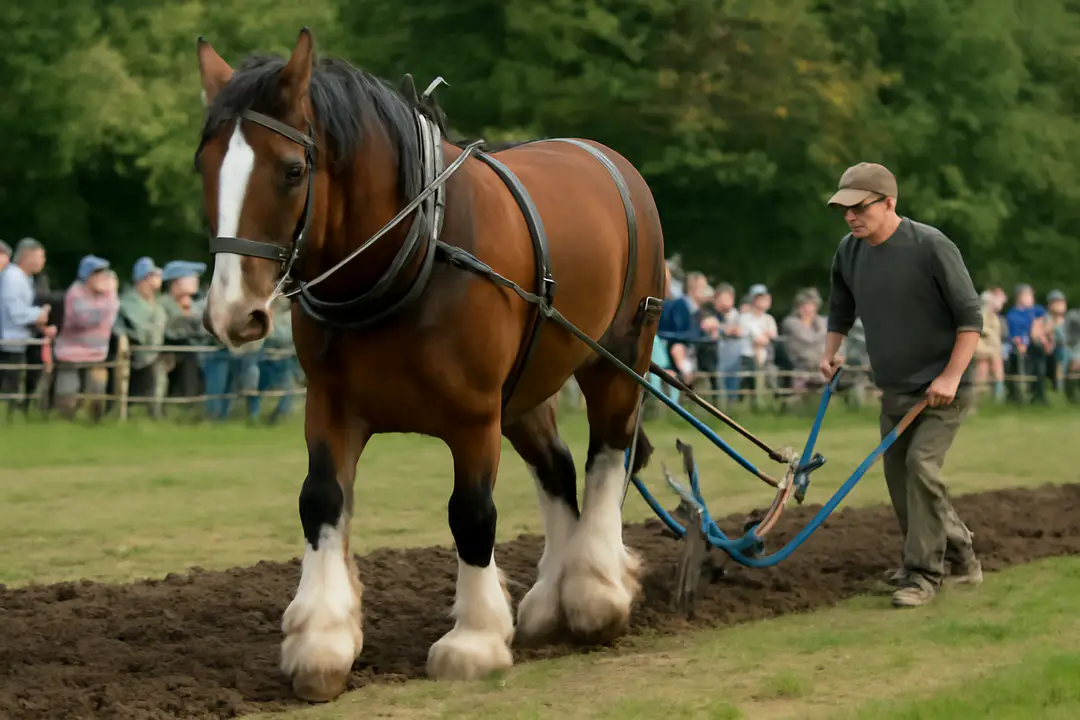
| Plough Demo | Furrow Field | Historical Work | Control & Steadiness |
| Logging Haul | Tree Logs | Farm Authenticity | Maneuverability |
Choose the style that fits your venue and audience. A static pull works great indoors, while a plough demo shines in open fields. Each style shows different work uses and gives fans a fuller picture of the breed’s heritage.
Engaging Your Audience
A great demo tells a story. Start by sharing a quick history of the Shire breed and its farm roots. Invite kids to count the steps or guess how much weight is on the sled. This kind of interaction keeps people involved.
Use simple visuals like banners showing weight milestones or an old plough. Speak clearly and mix facts with friendly anecdotes. For example, mention how a famous Shire once hauled a brewery barrel across town. These little stories bring the demo to life.
Encourage questions at the end. A short Q&A gives you a chance to talk about seasonal care, diet, or local training workshops. And it helps your audience feel part of the event instead of just watching it.
Practical tip: hand out small cards with demo highlights and a website link. After the show, people can revisit details and even find community groups for draft horse fans.
Conclusion
Shire horse work demos blend strength, history, and showmanship into one experience. By focusing on demo structure, proper preparation, and clear storytelling, you ensure each performance runs smoothly.
Remember these key points: prep your horse with care, check your harness and gear, train in steps, choose the right demo style, and engage your audience with stories and visuals. These simple strategies turn a basic pull into a memorable showcase.
With practice and attention to detail, your next demo will highlight the Shire’s gentle power and charm. It’s not just about moving weight—it’s about sharing a piece of living history. Get ready, and let your Shire shine in its next performance!