Can Shire Horses Jump Safely: Training, Tips & Limits
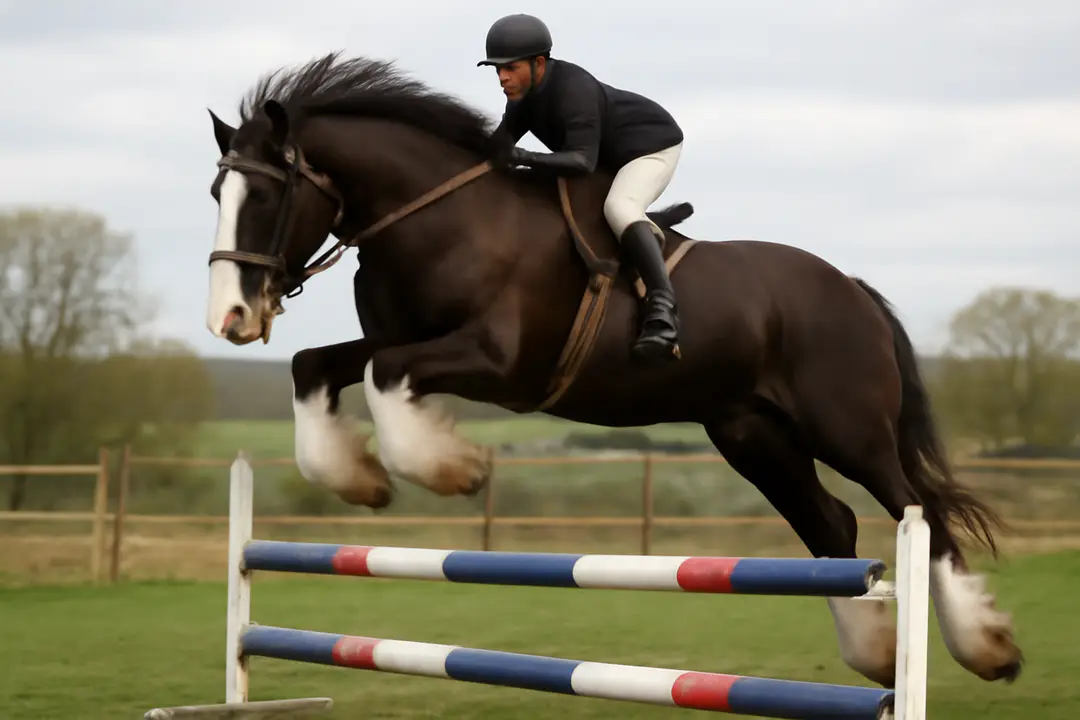
Jumping might not be the first thing you imagine when you think of a gentle giant like a Shire horse. These draft horses are best known for farm work and pulling heavy loads, but there’s more to their athletic ability than meets the eye. A key and often overlooked aspect is how their massive build and calm temperament factor into jumping performance. So, can Shire horses really clear jumps, or is that a myth born from their size?
As it turns out, Shire horses can jump modest heights when properly trained and conditioned. By understanding their physical strengths, training needs, and suitable equipment, you can set realistic expectations for these horses. This knowledge helps prevent frustration for rider and horse, ensuring both safety and success in the arena.
Shire Horse Build
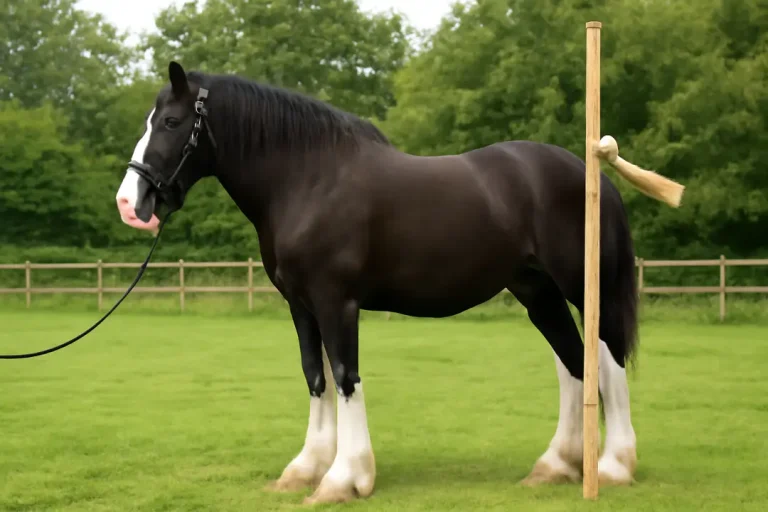
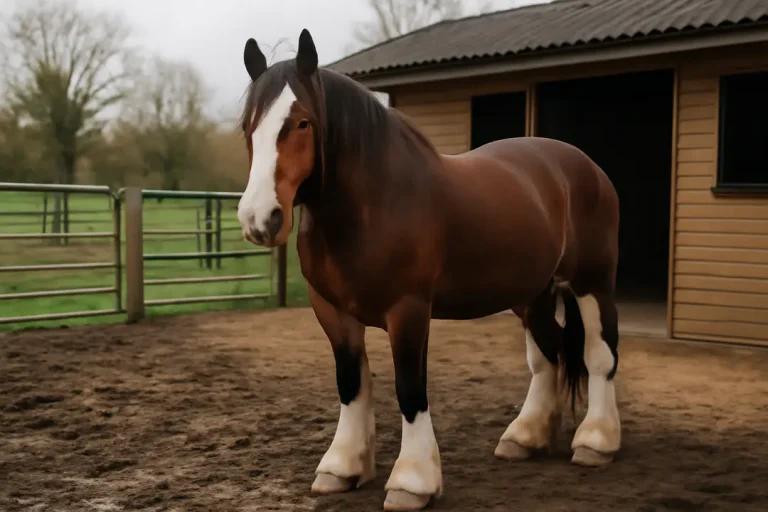
Shire horses stand out with their tall frames, strong legs, and deep chests. This conformation gives them power for pulling and draft work. But the same traits can limit their jumping talent if not managed correctly.
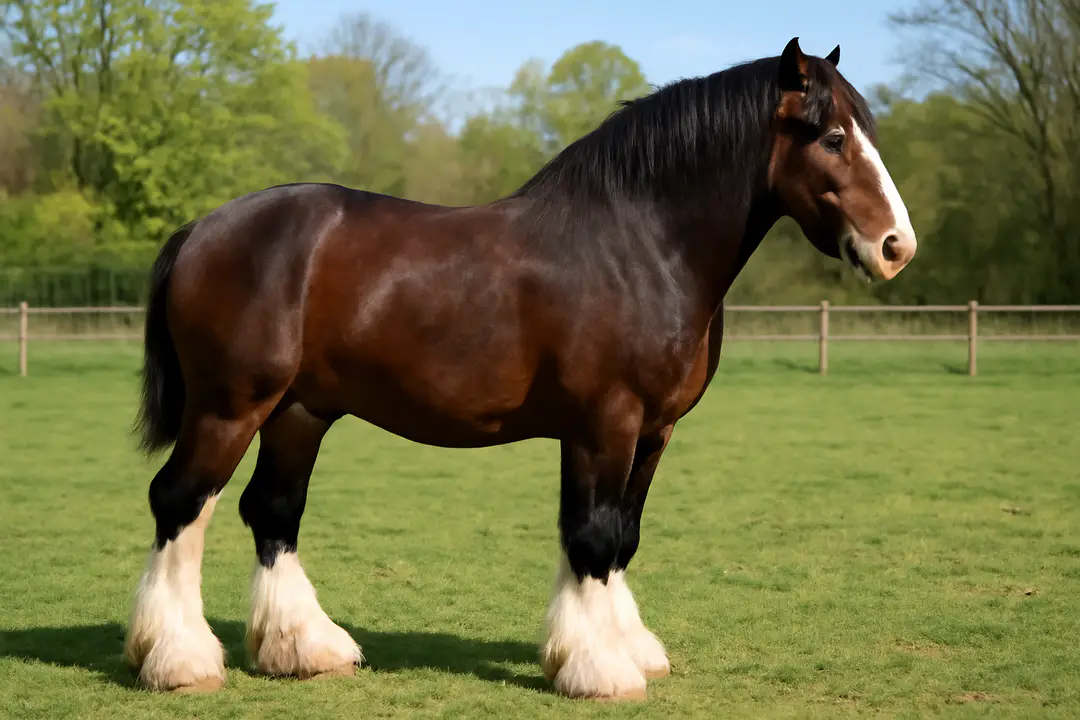
Weight and height create challenges. A typical Shire may weigh 2,000 pounds and stand over 17 hands high. Carrying that much mass over a fence requires extra strength and coordination. Their slower, heavier build means they need more conditioning time than lighter breeds.
However, their broad shoulders and long, well-muscled hindquarters can adapt to lifting power. With targeted exercises, you can boost their hind-end strength for takeoff. Lunging, hill work, and gradual gymnastic pole routines help develop the right muscles.
Tip: Always start with low ground poles. This encourages rhythm without stress on joints. Gradual progression—from poles to small cross-rails—lets the horse build strength and confidence. Remember, patience is key for big drafts.
Temperament and Willingness
One major advantage of Shires is their calm, steady nature. They rarely spook and handle new tasks with patience. This willingness makes them surprisingly good jump students once trust is built.
Unlike more reactive breeds, a Shire will take careful steps toward a jump rather than rush. They benefit from a consistent, gentle approach in training. Positive reinforcement—like a scratch under the neck or a calm voice—goes a long way.
Consistency builds confidence. Keep ride sessions short at first, focusing on rhythm and relaxation. End each session on a good note with some free walk or a simple trail ride. That positive finish sticks with the horse.
Practical tip: Use a clicker or marker word to reward good form on poles. Over time, your Shire will connect the cue with successful attempts. This simple habit speeds learning and keeps them motivated.
Basic Training Steps
- Groundwork Warm-Up: Begin with lunging at the walk, trot, and canter.
- Poles on the Ground: Place two poles a few feet apart to encourage stride rhythm.
- Low Cross-Rails: Introduce a small X-shaped jump to build coordination.
- Grid Work: Set up a simple grid of three to four fences to teach balance.
- Progressive Height: Raise fences slowly, monitoring the horse’s comfort.
- Cool-Down: End with walking and stretching to relax muscles.
Each step should only be added when the horse shows confidence at the previous level. Work in short intervals—5 to 10 jumps per session—and always allow rest days for muscle recovery.
Tack and Safety Gear
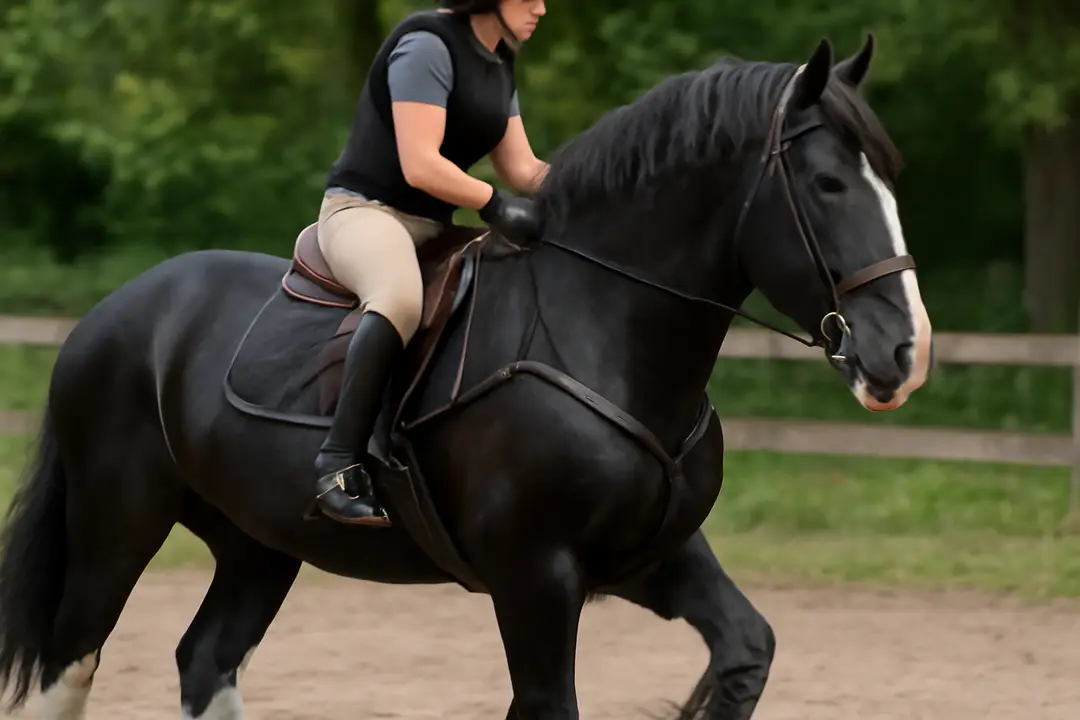
- Well-Fitted Saddle: A draft-sized jumping saddle to distribute rider’s weight.
- Protective Boots: Sport boots for front and hind legs for support.
- Helmet and Vest: Rider safety gear is non-negotiable.
- Martingale or Breastplate: Helps keep the saddle in place.
- Quality Bridle: Proper bit and reins for clear communication.
Ensuring gear fits both horse and rider prevents slips and discomfort. A professional saddle fitter can tailor a draft saddle to your Shire’s broad back. Regularly check boot straps and padding for wear.
Real-World Jump Heights
Most Shire horses start with jumps around 1 to 2 feet (30–60 cm). With time and proper conditioning, some clear 2.5 to 3 feet. That’s enough for beginner to low-level jumper classes.
Comparatively, lighter breeds may clear 4 to 5 feet at similar skill levels. The difference lies in conformation and agility. Yet for trail obstacles, hunter paces, or church steeplechases, a Shire’s jump height is often more than adequate.
Data point: In a small club competition, several experienced Shire riders successfully cleared 3-foot fences at a relaxed pace. Their steady canter and careful foot placement impressed judges, showing that height isn’t the only factor in scoring.
Tip: Track your horse’s heart rate and recovery time after jumping. Efficient recovery suggests the height is suitable. If the horse tires quickly, drop the fence by a few inches until stamina improves.
Tips for Success
Start slow and keep sessions brief. Consistent work over poles and grids builds muscle memory. Use praise and small treats to reward effort.
Include cross-training like trail rides to keep the horse mentally fresh. Vary terrain and pace to develop balance without fences.
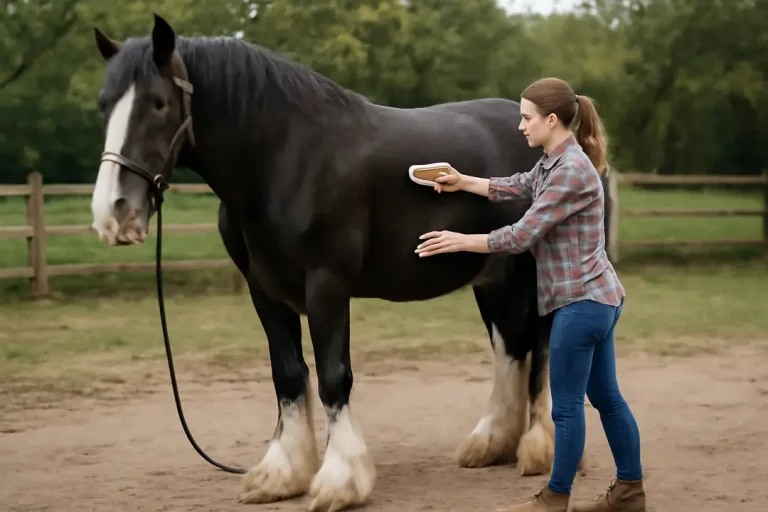
Grooming is essential after each session. Massaging legs and cleaning hooves prevents soreness and keeps joints healthy. For a detailed grooming routine, review this grooming guide.
When planning workouts, consult general training tips to balance fitness and rest. Always watch for signs of fatigue or discomfort and adjust accordingly. A rested horse learns better.
Conclusion
Shire horses can clear modest jumps if given the right training, equipment, and care. Their powerful build demands patience when developing the muscles needed for takeoff and landing. A calm temperament and willingness to learn make them well-suited for low-level jumping and trail obstacles.
Practical steps—like ground poles, a proper warm-up, and gradual height increases—help build confidence and strength. Protective gear and a tailored saddle fit keep both horse and rider safe. Realistic goals and consistent routines lead to steady progress without risking injury.
Ultimately, understanding how a Shire’s unique conformation affects its jumping ability prevents frustration and ensures success. With time, many Shires enjoy low-level jumping tasks and fun trail obstacles. By focusing on conditioning, positive reinforcement, and proper gear, you and your Shire can explore new horizons together.