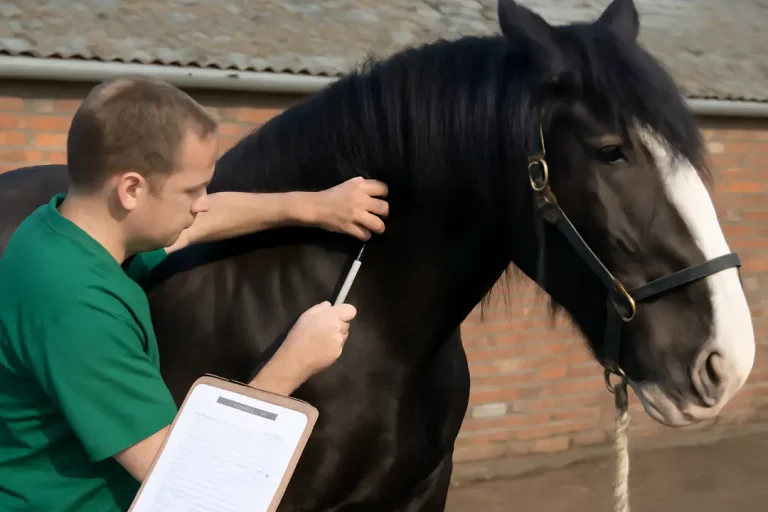
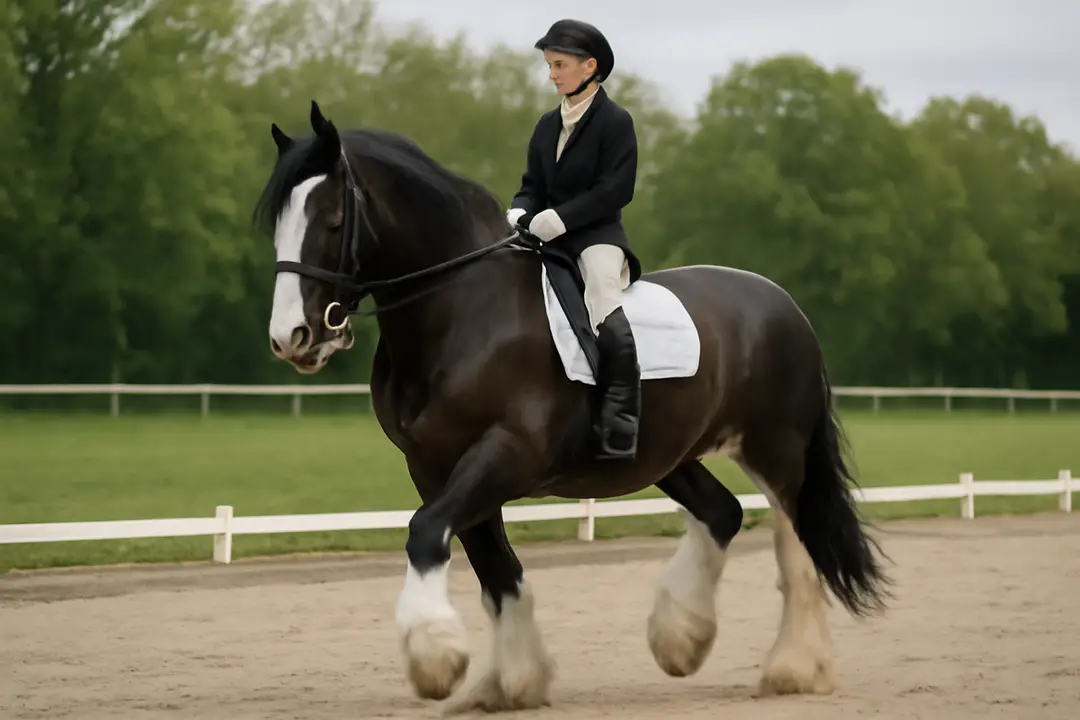
Dressage with Shire Horses: Elegant Giants in Action
You’ve probably seen those huge Shire horses and marveled at their power in farm fields. But when they enter a dressage arena, that strength turns into surprising elegance. One aspect riders often miss is how a Shire’s massive hooves and limb conformation affect precision work. How do you keep those giant feet from throwing off your collected trot?
Learning hoof management and arena footing early gives you more control and fewer surprises. When you understand how hoof care, shoe type, and ground prep fit your big draft horse, you build confidence. That insight leads to better training choices, safer rides, and a smoother partnership in the ring.
Gentle Giant Temperament
Shire horses are known for their calm nature, which can be a real advantage in dressage. They stay relaxed under saddle, even when faced with new obstacles or loud crowds. This steady temperament lets riders focus on subtle aids rather than constant corrections.
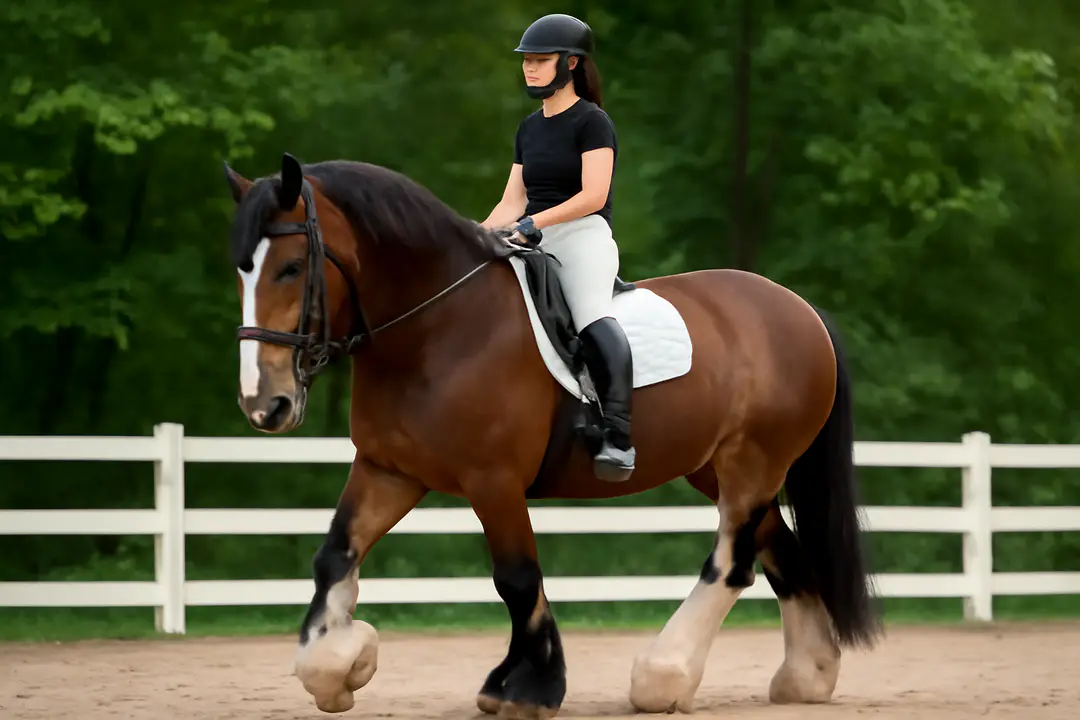
Despite their size, many Shires respond well to light pressure and clear cues. In fact, their willingness to learn shows up when teaching lateral work or transitions. For beginners, that calmness builds trust fast. More experienced riders can tap into that cooperation for advanced movements.
Practical tip: spend extra ground time grooming and bonding before you mount. Studies show that consistent groundwork strengthens a horse’s mental focus. See more on temperament care to tailor your approach. A confident, relaxed Shire is ready to tackle pirouettes and half passes.
Training Big Movers
Training a Shire for dressage is a step-by-step journey. Start with basic groundwork—leading, yielding hips, and good turnout. Use cones or poles on the ground to help your Shire learn rhythm and straightness without weight.
Once under saddle, focus on balanced transitions between walk, trot, and halt. Shires need time to develop core strength and coordination. Regular short sessions—20 to 30 minutes—work well. Overworking can strain joints and muscles.
Advanced impression: introduce shoulder-in and haunches-in slowly. Encourage lift and engagement from their powerful hindquarters. Your well-prepared Shire will thank you with more elasticity in every step.
Tip: Always reward small improvements with rest or a nice scratch. For more step-by-step help, explore these training tips that suit draft horses. Consistency and positive reinforcement turn strength into true dressage skill.
Tack Fit Considerations
Proper tack is vital for any dressage mount, and Shires have extra challenges due to their broad backs and deep girths. A saddle that fits too tight can rub, while one that’s too loose causes instability.
Here are top five dressage saddles suited to wide draft backs:
- Black Country GP Lite Wide – adjustable tree and generous panel.
- Gatt Elite Wide – deep seat, custom flocking options.
- Stubben Genesis Dressage Wide – contoured panels for shoulder freedom.
- Albion K2 Plus Deep Wide – great rider position, supportive flaps.
- Wintec Wide Trail – budget-friendly synthetic with adjustable gullet.
Practical tip: always use a wool or foam half pad to fine-tune fit. Have a saddle fitter assess panel symmetry every six months. With the right saddle, you’ll avoid sore spots and enhance your Shire’s natural movement.
Nutrition for Performance
Feeding a Shire in dressage requires a balance of energy without excessive bulk. Too many calories can lead to stiffness, while too few slow muscle recovery. Focus on high-quality forage as the base—good hay or pasture makes up 1.5–2% of body weight daily.
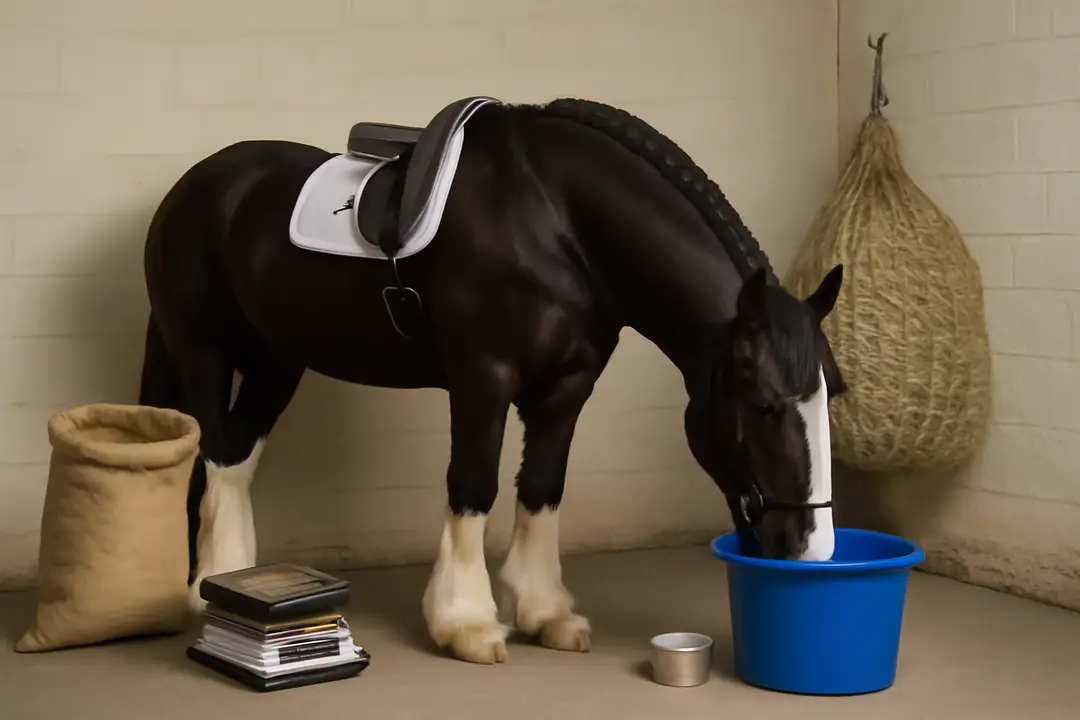
Next, add a low-starch concentrate designed for sport horses. Look for products with moderate fat (5–8%) and amino acids for muscle repair. A daily feeding schedule might include:
- Morning: 2–3 lbs of low-starch feed
- Midday: free-choice hay or haynet
- Evening: 2–3 lbs of the same concentrate
Supplement with electrolytes after intense work and biotin for hoof health. Always introduce new feeds over 7–10 days. Practical tip: weigh feeds on a digital scale, not by scoop. That accuracy supports consistent energy and a sleek, supple topline.
Hoof and Shoe Care
Big hooves need special attention for dressage arenas. Proper shoes protect the hoof and provide traction on varied footing. Here’s a quick comparison of common shoe types:
| Shoe Type | Pros | Cons |
|---|---|---|
| Steel | Durable, cost-effective | Heavier, can slip on hard surfaces |
| Aluminum | Lightweight, good grip | Wears faster, pricier |
| Composite | Shock absorption, quiet | Less long-lasting, expensive |
Farrier visits every 6–8 weeks work well for Shires. Request balanced trims to even out hoof-to-ground angles. After shoeing, walk your horse on soft ground to settle nails. Always check daily for stones or damage. A healthy hoof is the foundation of a precise collected trot.
Finding Your Partner
Choosing a Shire for dressage involves more than price. You want a horse with proven movement, sound joints, and a calm mind. Start by listing your must-haves: age range, training level, and budget.
Next, search local breeders, rescues, or draft horse forums. Arrange a visit to assess movement at the walk, trot, and canter. Watch for balance and willingness to step under with the hindquarters. A sound vet check is mandatory—ask for flexion tests and x-rays of hocks and stifles.
When you find “the one,” plan safe transport and a gradual arrival routine. Give new horses two weeks to settle before riding. If you want guidance on costs and options, explore resources on buying a Shire horse. This path helps you secure a reliable partner who’ll excel in the arena.
Conclusion
Dressage with Shire horses combines raw power and surprising grace. By focusing on temperament, training, tack fit, nutrition, hoof care, and careful selection, you can turn these gentle giants into graceful performers. Each element ties back to hoof-to-crown harmony—your key to success.
Start with groundwork that builds trust, fit a saddle that supports both your seat and the horse’s back, and feed for sustained energy. Add tailored shoeing and vet checks to keep feet sound. Finally, choose the right horse from the start to avoid setbacks. With consistent effort and informed decisions, you and your Shire will redefine what elegance in dressage really means.
Now it’s your turn: take these tips to the barn, apply them patiently, and watch your Shire shine under the spotlights.