
Champion Shire Horses Full Guide: Traits & Care Tips
Champion Shire horses stand out in any field, with their towering frames and gentle temperaments. Yet many fans focus on their size and forget the detailed lineage and performance record that make a true champion. How do breeders and judges select the cream of the crop beyond just height and strength?
The secret lies in understanding bloodlines, conformation scores, and show results. By diving into these factors, you’ll gain clarity on what to look for when admiring or acquiring a top-tier Shire. This insight can save you from overpaying or choosing an animal that won’t meet your expectations.
Breed Origins
Shire horses trace back to medieval England, where they were prized for farm work and carriage pulling. Over centuries, breeders refined them for strength and temperament. Records from local abbeys and manors kept notes on the best stallions. These notes evolved into studbooks that track bloodlines.

Today’s champions often descend from notable 19th-century crosses with Clydesdales and Flemish stallions. That mix boosted both muscle and calm. If you want a deeper view into their historic roots, studbook archives offer profiles on landmark horses. Recognizing these lines helps buyers distinguish a true champion from a good farm friend.
Practical tip: When evaluating a young Shire, ask for pedigree papers. Look for ancestors known for wins or strong performance records. Those names can indicate potential, even before the horse hits show rings.
Physical Characteristics
A champion Shire must meet strict conformation standards. Judges look at height, depth of chest, shoulder slope, and hoof size. Below is a snapshot of typical measures for top competitors:
| Trait | Champion Range |
|---|---|
| Height (hands) | 17.2 – 19.0 |
| Weight (lbs) | 2000 – 2600 |
| Chest Girth (inches) | 80 – 95 |
| Hoof Diameter (inches) | 8 – 10 |
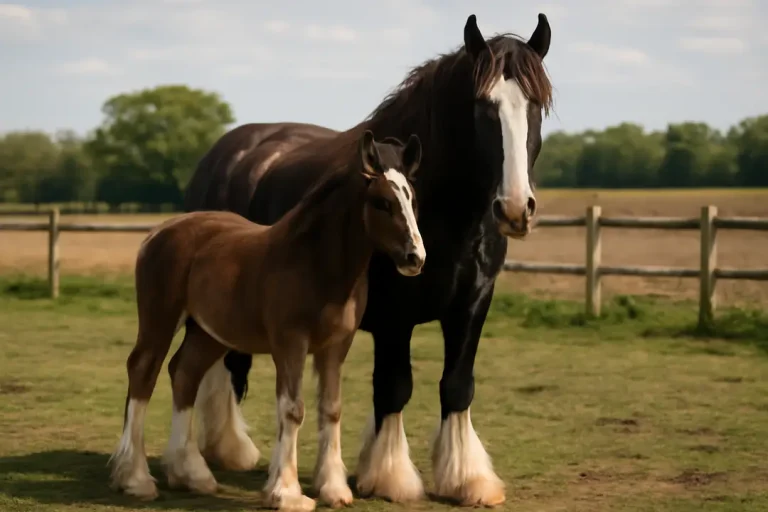
Beyond numbers, coat color and feathering (the long hair around hooves) matter. Smooth, glossy coats signal good health, while even feathering shows breed purity. A straight, sloping shoulder allows for fluid movement at the walk and trot.
When you inspect a Shire at a show, feel the bone structure above the knee and hock. Solid bone and clear joints predict longevity and soundness under heavy pulling or riding work.
Training Techniques
Training a Shire for the show ring starts with basic groundwork. Gentle giants respond best to calm, consistent cues. Begin by leading with soft pressure on the halter and rewarding quick responses. This builds trust.
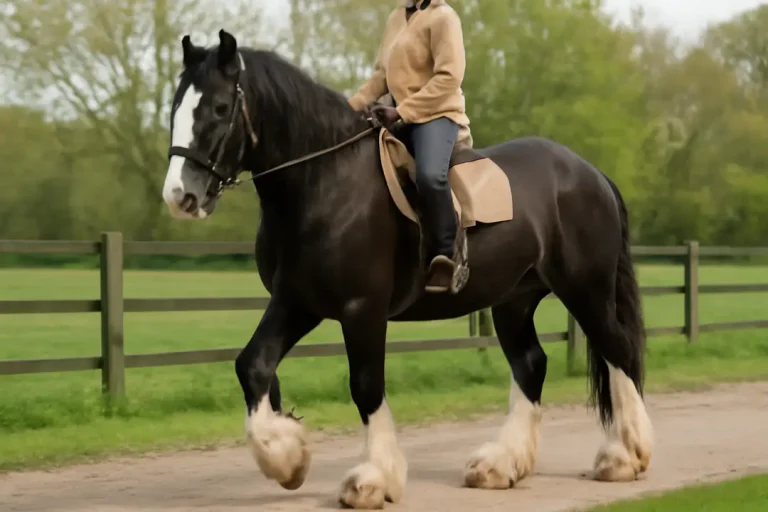
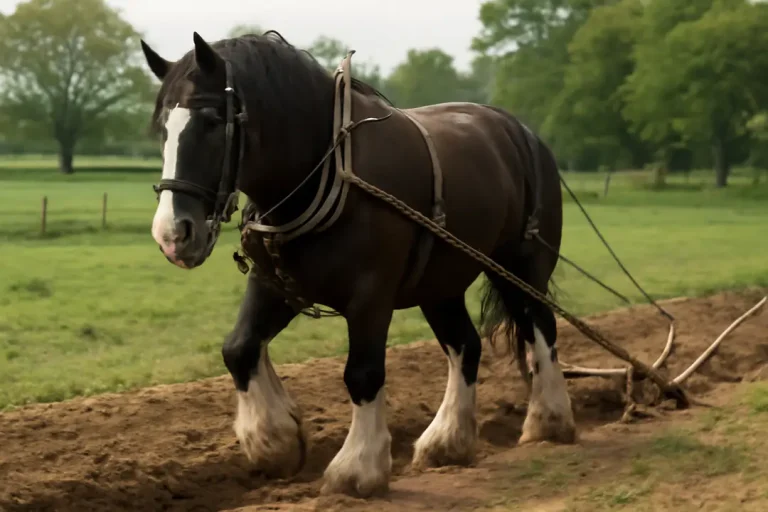
Next, introduce harness work. Even if you plan to ride, pulling a light cart teaches balance and strengthens hindquarters. Many owners describe their earliest harness sessions as their first taste of true riding experiences. The cart provides feedback on how the horse carries itself.
When under saddle, keep sessions short—no more than 20 minutes at first. Alternate between walk, trot, and simple pole exercises. This routine builds muscle without overloading joints. Practical tips:
- Use ground poles to improve stride length.
- Incorporate hills or slight inclines to build strength.
- End each session on a calm note with a few minutes of free walk.
Regular, patient work refines manners and posture. Over time, these routines shape a show-ready athlete with both power and elegance.
Health and Care
Proper daily care keeps a champion Shire in peak form. Start with a balanced diet: high-quality hay, measured grains, and a vitamin supplement if needed. Monitor body condition; these horses can gain weight quickly.

Grooming is more than cosmetic. It increases circulation and spotlights potential skin or hoof issues. Follow these grooming tips:
- Use a stiff brush on feathered areas to remove debris.
- Apply hoof oil weekly and inspect for cracks.
- Check eyes and ears daily for irritation or discharge.
- Trim mane and tail to enhance carriage without over-thinning.
Remember, regular farrier visits every 6–8 weeks prevent hoof problems. Dental checks twice a year ensure proper chewing, digestion, and weight management.
Scheduling seasonal vaccinations and deworming rounds out a solid care plan. If you ever feel unsure about supplements or a new health concern, consult your veterinarian right away.
Show Preparation
Entering a Shire into competition involves more than practice rings. Start preparing at least eight weeks before your first show. Draft horses need extra time to build muscle tone and condition for the trot-up.
Here’s a simple prep checklist:
- Fitness: Daily turnout plus light harness work.
- Conditioning: Hill climbs and pole routines twice weekly.
- Appearance: Bath and mane-trim one week prior.
- Equipment: Clean harness, polished shoes, and secure fittings.
- Practice: Full ring walk-and-trot sessions under judged conditions.
On show day, allow a calm warm-up of at least 15 minutes. Focus on steady paces and smooth transitions. Keep treats handy for quick positive reinforcement.
Finally, observe how top handlers present their horses. Notice hand carriage, whip use, and spacing from other entries. These subtle details can tip the scales in your favor when judges make close calls.
Buying and Ownership
Acquiring a champion Shire is both thrilling and demanding. Prices vary widely based on age, bloodline, and show record. Before you bid, calculate all upfront and ongoing costs.
- Purchase price: $8,000 – $20,000 for proven champions.
- Boarding fees: $400–$800 per month in most regions.
- Feed and supplements: $150–$300 per month.
- Farrier and vet care: $100–$200 monthly average.
- Insurance: 3–5% of horse value annually.
Understanding your ownership expenses helps set a realistic budget. Visit reputable breeders who provide health certificates and performance videos.
Meet the horse in person and ask about temperament around other animals. Even a champion needs a calm barn environment to thrive. Practical tip: arrange a trial lease before buying. It gives you time to assess compatibility and daily care needs.
Conclusion
Champion Shire horses combine heritage, power, and gentle natures in one majestic package. From tracing their breed origins to mastering show-ring readiness, each step requires patience and attention. By focusing on concrete traits—like conformation scores and bloodline records—you’ll select a true champion over a well-meaning pet.
Daily care, structured training, and smart budgeting ensure your Shire thrives. Remember, the small details—proper grooming, heart-healthy routines, and calm handling—elevate good horses into award winners. Whether you aim to compete or enjoy trail rides, informed choices protect your investment and bond.
Take the next step with confidence. Dig into pedigrees, align with experienced trainers, and craft a care plan that highlights your Shire’s best qualities. These gentle giants reward thoughtful preparation with unmatched loyalty and performance. Your journey with a champion Shire starts now.