Dressage with Shire Horses: Training Gentle Giants
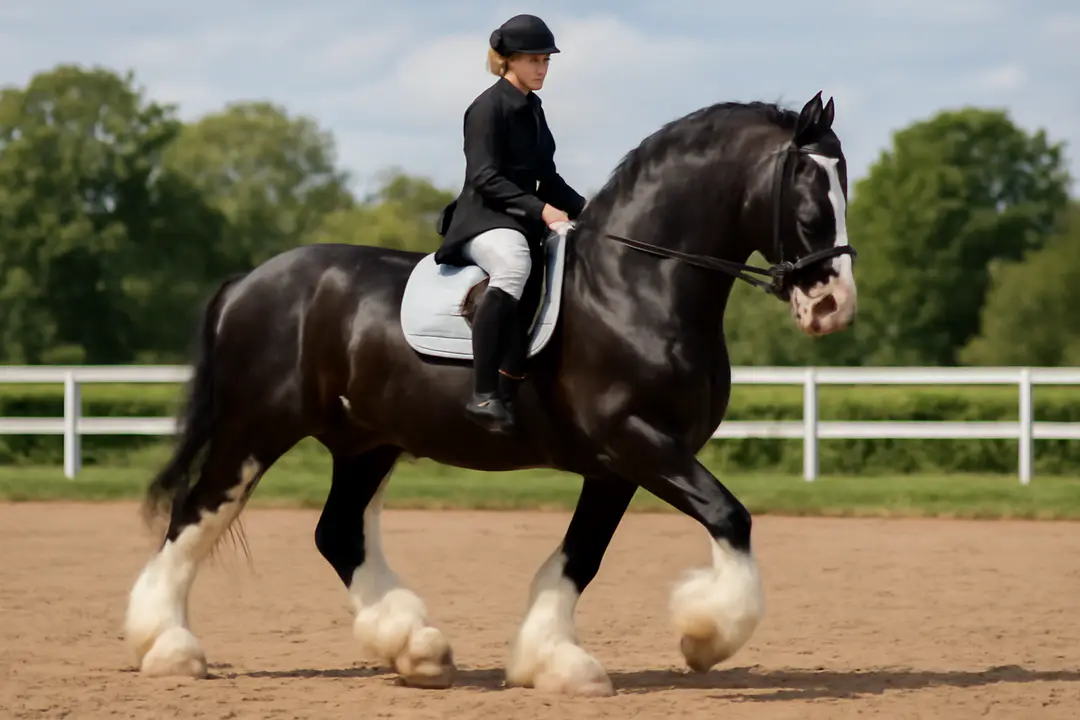
Few imagine a towering Shire horse gliding in a dressage arena, but these gentle giants bring a unique presence to the sport. While most focus on popular warmblood breeds, the overlooked strength of a Shire lies in its calm temperament and powerful movement. Training methods tailored for their size often get missed. Have you wondered how adjusting your approach can unlock a Shire’s true dressage potential?
Adapting strategies by respecting their big build and steady nature sets both horse and rider up for success. Focusing on gradual conditioning, clear communication, and the right equipment helps avoid common pitfalls. You’ll gain smoother transitions, confident extensions, and a partnership built on trust. Embracing these insights prevents surprises and leads to more harmonious performances.
Choosing the Right Horse
Deciding on a Shire horse for dressage starts with understanding what makes them special. Unlike lighter breeds, Shires bring immense strength and a grounded presence. This can be a real asset in slow, collected movements that require power. But it also means you need a horse whose conformation supports extended work without strain.
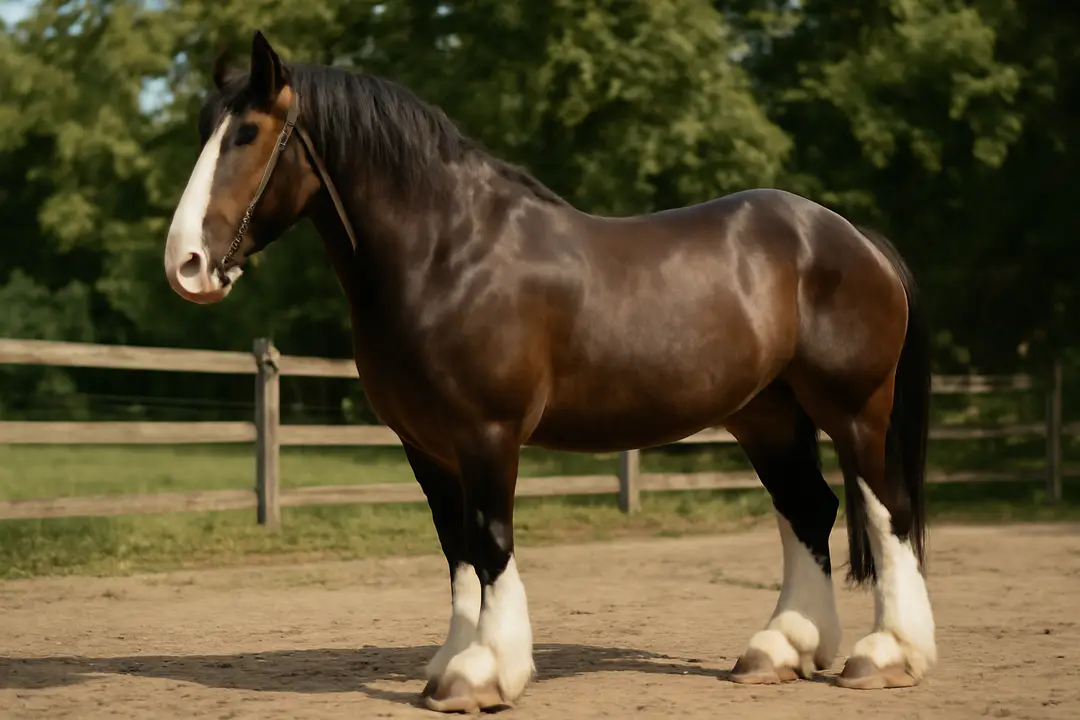
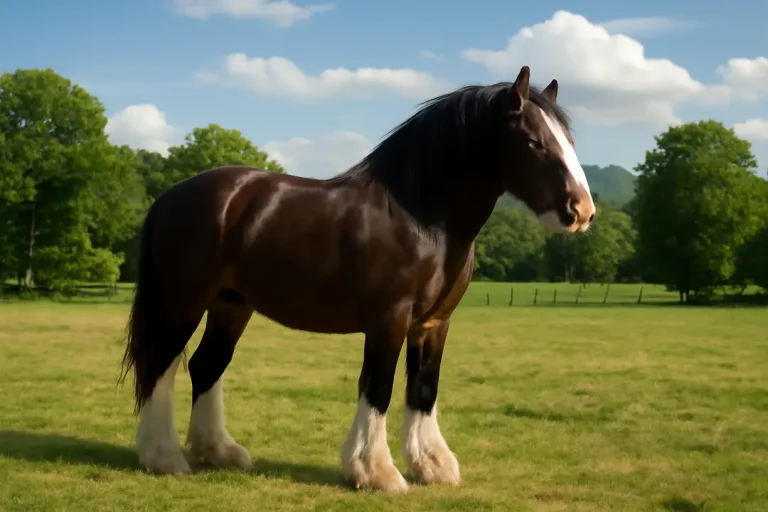
Look for a well-balanced profile: strong hindquarters, a sloping shoulder, and clean joints. These traits help with suspension and impulsion. Don’t skip a basic soundness check. Lameness or hoof issues can derail months of training. A pre-purchase exam by a vet gives you peace of mind.
It matters who bred and trained your Shire, too. Horses exposed to light groundwork early tend to adapt faster to dressage aids. Ask breeders about the horse’s handling history. A calm mind is as important as good gaits. When you combine solid breeding, the right structure, and early handling, you set up both of you for a smoother start in the ring.
Physical Traits and Movement
Shire horses stand out with their big shoulders and broad chests. These features give them a majestic walk and powerful trot. However, their sheer size can make collected work feel heavy if you don’t teach them to use their hind end well. Observing how they lift through the back and hock will guide your training focus.
Key gaits to watch:
- Walk: Should be four-beat, calm, and ground-covering.
- Trot: Aim for even rhythm, with elasticity in the shoulder.
- Canter: A three-beat gait that needs balance at a slower tempo.
Pay close attention to symmetry. Uneven steps often point to tension or stiffness. Incorporate simple lateral work—leg yields and shoulder-ins—to encourage suppleness. These exercises help your Shire learn to shift weight to the hindquarters and free up the forehand.
Knowing how your horse naturally moves helps you shape workouts. Avoid pushing for fancy movements too soon. Building basic strength and flexibility ensures each element flows. Over time, your Shire will surprise you with its willingness to lift into an active, light connection under saddle.
Training Shire Dressage
Training a Shire for dressage calls for patience and clear steps. These horses respond well when work is broken into small goals. Here’s a simple plan to get started:
- Groundwork Basics: Begin with lunging and long-lining. Teach voice commands and yield to pressure.
- Saddle Introduction: Let the horse wear a lightweight pad, then a bare saddle. Keep sessions under 10 minutes.
- Walk and Halt: Focus on straight lines, clear halts, and prompt walk-off. Reward calm energy.
- Trot Transitions: Add trot work, guiding the horse to soften at the poll. Use poles on the ground for rhythm.
- Collection Foundations: Introduce half-halts, then gradual engagement of the hindquarters in walk and trot.
- Canter Entry: Start from a walk-canter transition on a circle. Keep the pace soft and even.
Every step should feel secure. Watch for signs of fatigue—drooping back or hollowing. Adjust intensity and give frequent breaks. As your Shire builds muscle tone, extend sessions by a few minutes each week. Keep a journal of each ride to note progress and challenges.
For more detailed training strategies, many riders consult specialized guides on shire horse training tips. The key is consistency, kindness, and rewarding small improvements. Celebrate every balanced circle and elastic stride. These wins keep both of you motivated.
Tack and Equipment
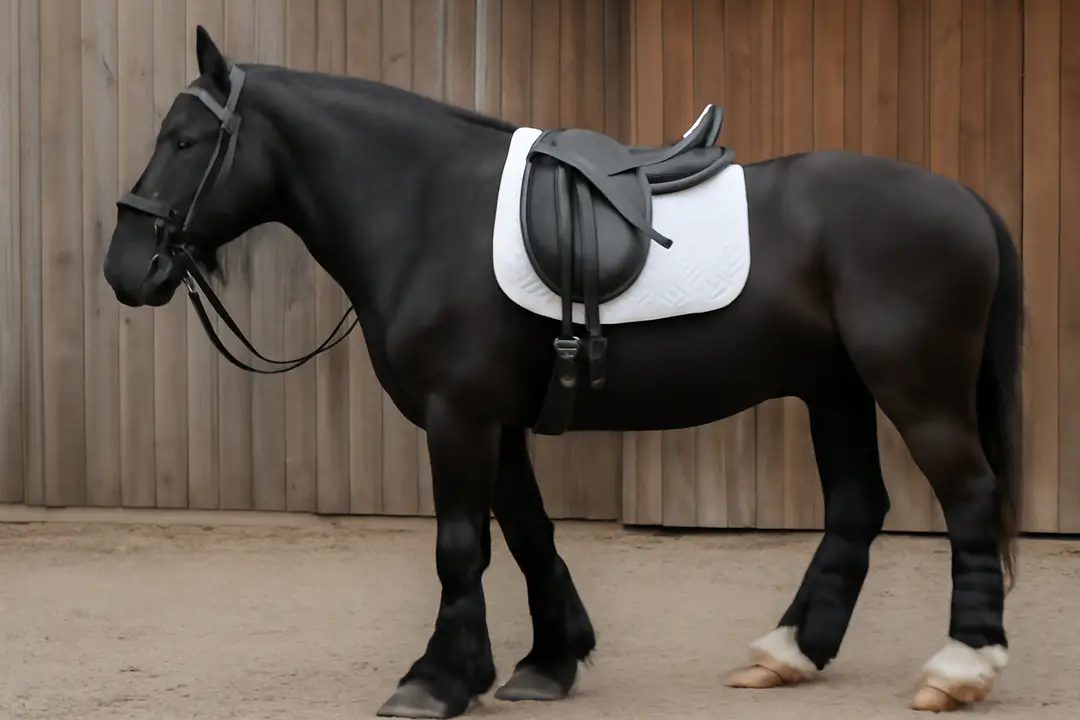
Using the right gear makes a huge difference when riding big horses. Shires need tack that fits their broad back and deep chest. Ill-fitting equipment leads to pinching, muscle soreness, and poor performance. Before any ride, check every buckle and seam.
Here’s what you’ll need:
- Dressage Saddle: Look for a wide tree and extra padding under the panels.
- Saddle Pad: Use a high-wither pad or corrective shims to balance the saddle.
- Bridle and Bit: A comfortable noseband and a mild snaffle bit work best at early levels.
- Girth: Choose a wide, anatomical girth to distribute pressure evenly.
- Protective Boots: Support the tendon and fetlock during lateral work.
Investing in custom-fit tack can pay off if your Shire has an unusual shape. Have a saddle fitter evaluate fit every six months as your horse’s topline changes with training. Small adjustments in girth placement or pad thickness can create a huge improvement in comfort.
Comfort translates to confidence. A relaxed back lets your horse lift through the withers and engage more easily. When both horse and rider feel secure, you can refine details like rein length, stirrup position, and subtle seat aids that make dressage truly expressive.
Rider and Horse Bond
Building trust with a powerful Shire hinges on clear communication. These horses are intelligent and watch for direction. Start every session with a few minutes of grooming and hand grazing. This quiet time lets you feel the horse’s mood and fosters a partner-like connection.
On the ground, use simple groundwork games: move the horse’s hips, shoulders, and feet with light pressure. Praise generously when the horse offers the correct response. This trust carries into the saddle, where clear, confident aids replace forceful cues.
In the saddle, maintain a soft, following hand. Use your core rather than gripping with the legs. If your Shire leans on the bit or rushes, go back to walk and re-establish the rhythm. A partnership built on mutual respect feels effortless.
Practical tip: keep a “connection log”—record moments when your horse felt most responsive. Note what you did differently. Over time, you’ll see patterns that guide your training plan and help you anticipate your horse’s needs on any given day.
This bond makes schooling sessions enjoyable for both of you. A calm, confident horse carries the rider’s aids without resistance. You’ll notice better balance, clearer transitions, and a true feeling of harmony.
Competitions and Care
Showing a Shire in dressage brings unique challenges. Their size means even small mistakes look more pronounced in the arena. Plan your schooling to include arena etiquette: practice entering and exiting gates, making tight turns, and keeping a steady tempo between letters.
In competition prep, don’t overlook routine care. A Shire’s coat and feathering require special attention. Clean and condition feathers to prevent skin irritation. Check hooves daily—mud build-up can cause bruising.
Before the test, warm up steadily. Use walk, trot, and shoulder-in exercises to loosen the back. Keep canter work brief but purposeful. Your goal is a relaxed, confident entry into the arena.
At the show, stick to simple equipment checks and calm your horse with light massage and soft words. A nervous Shire can tense up, so aim for a relaxed atmosphere. After your ride, offer a cool-down walk and a light groom session to reward effort.
Remember: placing isn’t everything. Each show teaches you something new about partnership and performance. Use these insights to refine training, adjust equipment, and deepen your connection for the next outing.
Conclusion
Dressage with Shire horses offers a rewarding journey filled with powerful movement and genuine partnership. These gentle giants respond best to measured progress, clear communication, and personalized care. By understanding their physical traits and adapting your training, you set the stage for graceful, confident performances.
Choosing the right tack, building trust on the ground, and following a step-by-step training path ensures both horse and rider thrive. Competitions become less about pressure and more about celebrating teamwork. A well-maintained Shire feels relaxed, ready, and proud to show off every collected step.
Embrace the unique advantages of Shire horses in dressage. Their calm temperament and generous heart shine when you honor their needs and strengths. Whether you’re aiming for local shows or simple arena work, a thoughtful approach transforms practice into poetry in motion. Start your journey, stay patient, and watch your gentle giant become a true dressage partner.