Shire Horse Shows Guide: Tips, Costs & Awards Insights
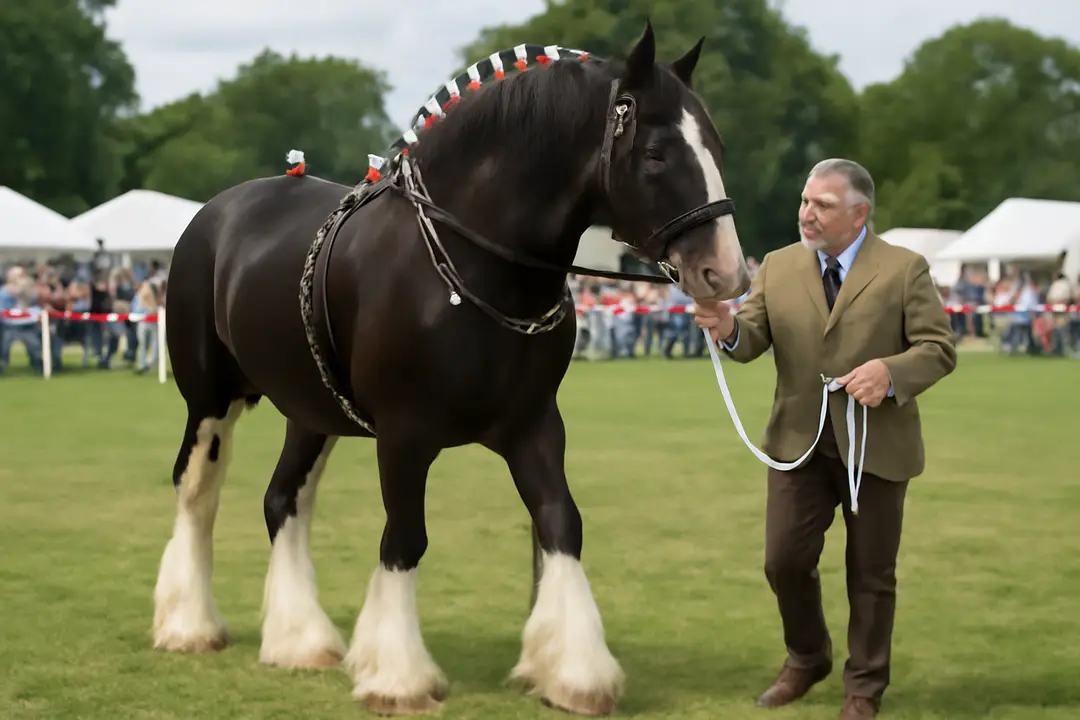
Shire horse shows bring together some of the most majestic and gentle giants in the equine world. Yet one detail often flies under the radar: the impact of precise grooming on a shire’s performance. Many enthusiasts focus on training and breeding but forget how presentation affects judging panels. Have you ever wondered how minor changes in coat shine or mane trimming can sway the judges?
By paying attention to grooming nuances and understanding what judges look for, you can give your shire horse a real edge. Adopting specific grooming schedules and presentation techniques ensures your horse looks its best under the ring lights, boosting confidence and scores. This knowledge helps you make informed decisions, avoid last-minute scrambles, and stand out in the arena.
Preparing Your Horse
The days leading up to a shire horse show are all about steady preparation. Start with regular exercise routines that build muscle without stressing joints. Mix light groundwork with walk-trot transitions to keep your horse fit and responsive. Consistent handling also reinforces trust between you and your horse.
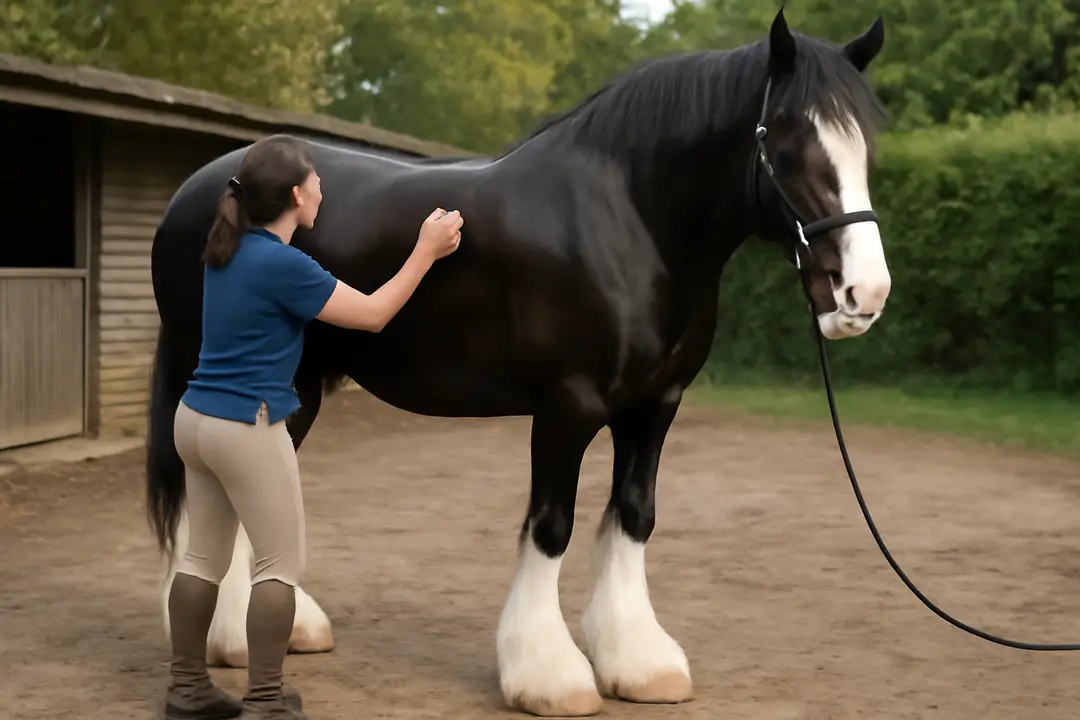
Grooming plays a critical role in ring presentation. A clean, glossy coat highlights the horse’s build and health. Schedule baths two to three days before the show, then use a shine spray on show day to enhance the natural sheen. Remember to clean feathers thoroughly to avoid dirt clumps that catch the judge’s eye.
Nutrition supports both coat quality and energy levels. Feed a balanced diet rich in fiber, vitamins, and minerals. Notice any dullness or weight fluctuation early. Adjust hay and grain portions to maintain ideal body condition. Finally, review a reliable daily care routine to ensure you cover all grooming and feeding basics before the big day.
Show Day Items
Having the right gear ready the night before can save you stress on show day. Here’s a quick checklist:
- Saddle and bridle cleaned and oiled
- Lead rope and halter in good condition
- Grooming kit: brushes, hoof pick, scissors
- Shine spray, mane comb, detangler
- Spare bandages and tail wrap
- Emergency first-aid kit for minor cuts
- Water buckets and feed supply
Bring weather-appropriate gear. A waterproof sheet helps if rain is forecast. In hot weather, pack a fan or mist spray to keep your horse cool in the stall. Label everything clearly so you can find items quickly in a crowded barn.
Finally, include personal items like a chair, snacks, and a watch. Staying comfortable and on schedule will let you focus on your horse, not your nerves.
Performance and Presentation
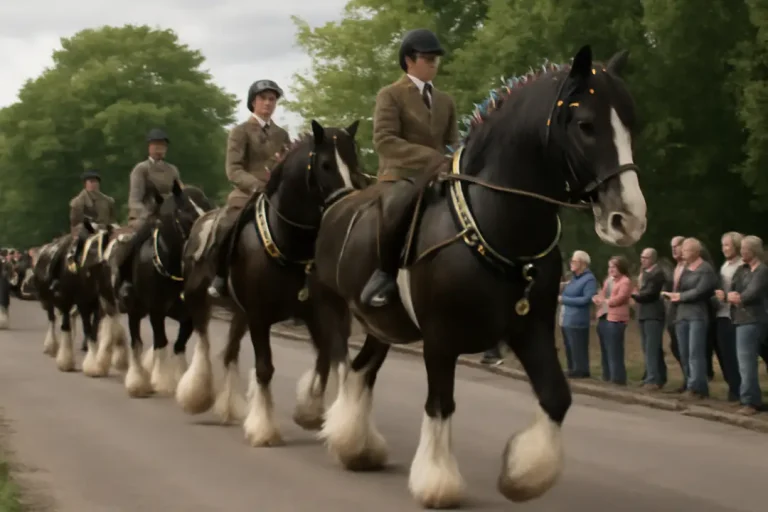
The way your shire moves in the ring can leave a lasting impression. Practice a smooth walk, trot, and halt sequence that showcases your horse’s strength. Aim for a steady rhythm and avoid rushing transitions. Confidence in movement signals professionalism to the judges.
Maintain eye contact with the judge while guiding your horse. This subtle connection shows control and harmony. Keep your back straight and hands steady on the reins to demonstrate balanced riding. If your horse dawdles or speeds up unexpectedly, stay calm and guide it back to the desired pace.
Hand presentation is equally important. When standing for inspection, square your horse’s legs neatly. Use a brush to remove loose hairs and give a final polish to the hooves. A quick tail shake can free tangles before entering the ring.
Regular working sessions in different environments help your horse adapt to distractions. Use varied locales for training to mimic show conditions. Add some noise or unfamiliar objects to build confidence. For more structured routines, follow proven training tips tailored for draft breeds.
Judges Criteria Explained
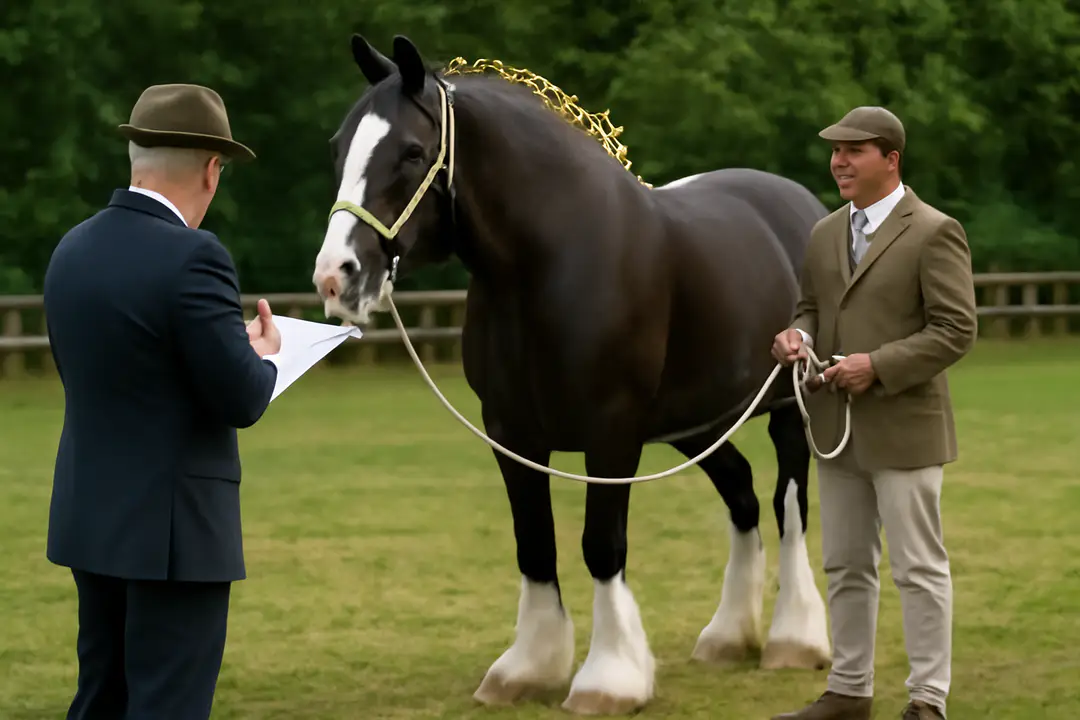
Judges in shire horse shows evaluate multiple aspects of both horse and handler. Understanding these points can guide your preparation:
- Conformation: Balance, proportion, and structural soundness
- Movement: Smoothness, reach, and power in each gait
- Condition: Coat shine, muscle tone, and overall health
- Temperament: Calmness, responsiveness to the handler
- Presentation: Grooming detail, tack fit, and handler’s attire
Each category carries weight. Conformation and movement are often the heaviest scoring areas. However, a flawless presentation can tip the scales if two horses are equally matched physically. Judges also look for a positive relationship between horse and handler. Nervous or rough handling can cost valuable points.
Review past scoring sheets when available. Note comments on specific faults or praise. This feedback helps refine your strategy for future shows.
Costs and Logistics
Attending shire horse shows involves several expenses. Here’s a basic cost breakdown:
| Item | Approximate Cost |
|---|---|
| Entry Fee | $40–$80 per class |
| Stabling/Boarding | $30–$60 per night |
| Grooming Supplies | $20–$50 one-time |
| Transport | $0.50–$1.00 per mile |
| Fuel & Meals | $50–$100 per trip |
Booking stalls early can reduce rates. Compare local fairgrounds and private showgrounds for better deals. Keep an eye on changing fuel prices, as long hauls quickly add up.
In the barn, unexpected expenses like vet calls or equipment repairs can occur. Knowing your boarding costs helps you build an accurate budget and avoid surprises.
After the Show
Once the ribbons are packed away, your focus shifts to recovery and reflection. Walk your horse on cool ground to loosen muscles and promote circulation. Offering fresh water and a light hay snack aids digestion and hydration.
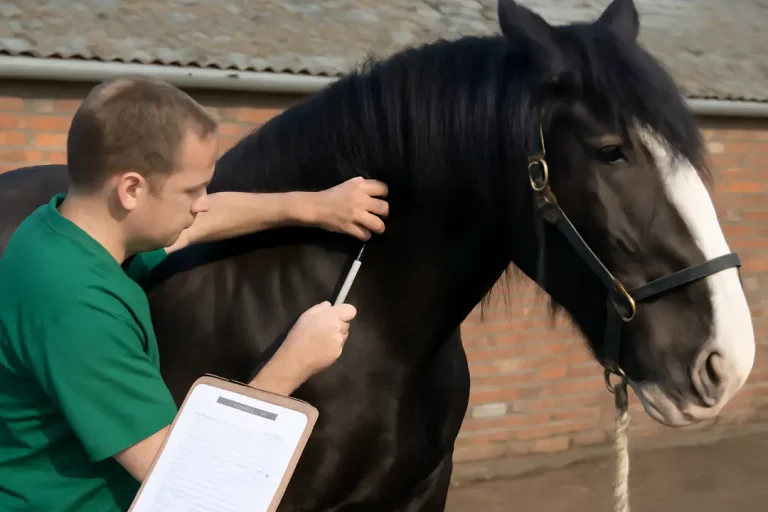
Check for any minor scrapes or swelling after travel. A quick wipe-down and hoof inspection prevent small issues from turning into lameness. Continue grooming to remove sweat and dirt that could irritate the skin.
Review feedback from judges and fellow exhibitors. Note areas for improvement such as tighter transitions or cleaner mane braiding. Use these observations to set goals for your next show.
Finally, store your gear properly. Clean tack and brushes prevent mold and wear. Keeping equipment in top shape means you’re ready when the next show date arrives.
Conclusion
Shire horse shows offer a blend of tradition, skill, and community. From the earliest grooming session to the final cool-down, every step shapes your horse’s success in the ring. By focusing on detailed preparation, understanding judging criteria, and managing costs effectively, you set yourself and your shire horse up for a seamless experience.
Remember that each show is an opportunity to learn. Embrace feedback, refine your routine, and celebrate the bond you share with your gentle giant. With the right mix of training, presentation, and care, your shire horse will not only perform well but also shine in every ring.
Now you’re ready to approach your next shire horse show with confidence and a clear plan. Step into the ring knowing you’ve done the work and set the stage for success.