Buying a Shire Horse: Complete Guide & Smart Tips
Getting a Shire horse is more than just picking a gentle giant to admire in your field. Most buyers focus on size and coat color, but often skip checking stable layout and daily turnout routines. That practical setup can shape life for both you and your new equine partner. Have you thought about how the design of your stall and pasture space could impact your Shire’s health and happiness?
Thinking through stable size, flooring, and access to fresh grass will save you headaches later. By planning stall dimensions, feeding stations, and safe fencing in advance, you’ll avoid extra costs, injury risks, and stress for your horse. A clear plan helps you make smart choices, cut surprise bills, and give your Shire a cozy home.
Setting a Budget
Before you visit farms or breeders, you need a realistic budget. A Shire horse purchase price ranges widely, from a few thousand dollars for young stock to tens of thousands for proven show or breeding animals. But that’s only the start. You’ll also pay for:

- Stable setup – improvements, bedding, fencing
- Initial vet checks – exams, vaccines, deworming
- Feeding costs – hay, grain, supplements
- Equipment – saddle, bridle, grooming kit
- Insurance and registration fees
Estimate one month of feed and care to avoid surprises. Factor in unexpected vet bills—set aside an extra 10–15% of your annual feed and care costs. If possible, visit multiple breeders to compare prices and quality. Talk to owners who have raised Shire foals. They’ll tell you about hidden costs like hoof care and teeth floating. With a solid budget, you’ll shop confidently and feel ready to handle any extra expense.
Stall and Pasture Needs
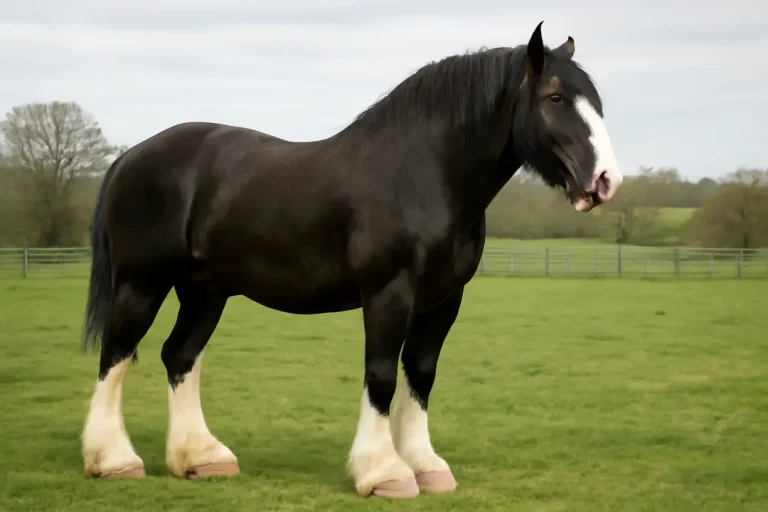
Shires are the largest draft breed, so they need room. A good rule is at least 12×12 feet of stall space, with solid flooring and deep bedding. Your stall door should be wide enough to open fully and let your horse move in without bumping shoulders. For turnout, aim for a paddock of at least half an acre per horse.
Proper fencing keeps them safe. Use heavy-duty wood or vinyl rails, standing three to four feet high, with no sharp edges. Make sure gates latch securely. Check for loose boards or exposed nails every week.
Weather matters too. In hot climates, add shade trees or run-in sheds. In cold areas, position windbreaks and ensure water buckets don’t freeze. Planning pasture layout now will help you avoid muddy, unsafe paddocks later.
Many owners find it useful to read guides on how much space does a shire horse need to fine-tune their turnout areas. A well-planned stall and field set the stage for a healthy, active horse.
Choosing the Right Age
Deciding on age is key. Buying a weanling or yearling can be cost-effective, but it demands long-term training and extra care. They need careful feeding plans to support healthy growth. If you go this route, ensure you work with a breeder who follows balanced nutrition and early handling.
On the other hand, a mature horse—five years or older—will have established bones and temperament. You’ll see reliable behavior and training progress. Such horses often come at a higher price, but you skip some of the unpredictability of early years. You also know their true height, weight, and strengths.
Consider your goals. If you want a riding partner or driving horse right away, a trained adult is best. If you enjoy raising and training a young horse, start with a foal or yearling but plan for extra time, patience, and trainer fees. Talk to owners and trainers who specialize in Shire foals. Their real-world experience will guide you to the right choice for your lifestyle and budget.
Health Checks and Vetting
A thorough vet exam is non-negotiable. Before finalizing any purchase, hire a vet to check joints, hooves, teeth, and overall soundness. Draft breeds can carry weight poorly if they develop arthritis or hoof problems early. Ask for X-rays on key joints if you plan to ride or drive regularly.
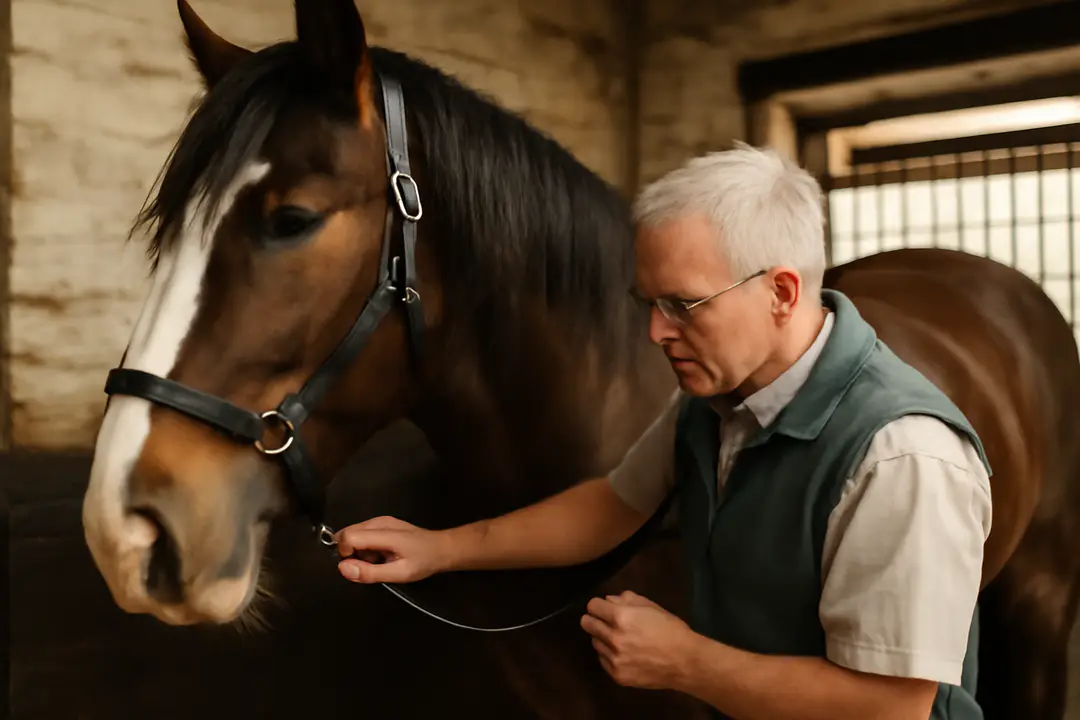
Vaccination history should include tetanus, rabies, and equine influenza, plus vector-borne disease shots based on your area. Deworming records show if the breeder follows a proper schedule. A dental exam will reveal if your Shire needs floating to avoid feeding issues.
Genetic screening is wise for draft breeders. Tests for conditions like polysaccharide storage myopathy (PSSM) ensure you know if your horse has higher care needs. After the exam, review the vet’s findings carefully. Negotiate repair of minor issues or request a price adjustment for expensive treatments.
Also learn about differences between shire and other draft horses to spot breed-specific strengths and risks. With solid vetting, you invest in a sound horse who matches your riding or driving plans.
Training and Handling
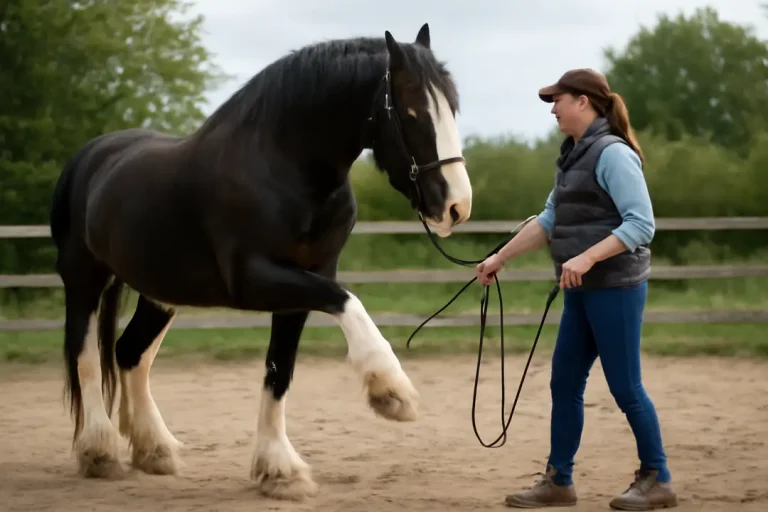
Shires are known for their calm nature, but they need consistent training. Handling large horses safely means clear ground manners, starting from day one. Work on leading etiquette, respect at the hitching post, and trailer loading routines.
Enlist a trainer with draft experience for desensitization work—introduce tarps, traffic noise, and farm equipment. They’ll learn slowly but steadily. Short, regular sessions are better than long, tiring ones.
If you’re new to draft breeds, research if Shires are good for beginners. Many find their steady temperament forgiving, but their size still demands respect and clear boundaries.
- Start ground work each day for 10–15 minutes.
- Practice basic commands: walk, halt, back.
- Use positive reinforcement—treats or scratch spots they like.
With a proper training plan and the right support, your Shire will become a reliable partner in riding, driving, or farm work.
Costs of Ownership
Beyond purchase price, plan for ongoing expenses. A draft horse eats more hay, so feeding costs are higher. Winter hay can run $20–30 per bale, and a Shire may go through one bale per day. Add grain, supplements, and salt blocks.
Farrier visits every six to eight weeks average $100–150. Dental floats twice a year may cost $200 annually. Vaccinations and deworming can total $300–400 per year. Factor in tack upkeep, stable repairs, and emergency vet funds.
| Expense | First Year | Annual After |
|---|---|---|
| Feed & Hay | $6,000 | $5,000 |
| Farrier | $900 | $900 |
| Vet & Care | $1,200 | $800 |
| Equipment | $1,000 | $200 |
Review these costs against your budget. If numbers worry you, look for cost-sharing with trainers or group hay purchases. A clear cost breakdown keeps you prepared and avoids financial strain.
Conclusion
Buying a Shire horse is a big commitment, but thorough planning makes it a joyful journey. From budgeting and stall design to health checks and training routines, each step adds confidence. Early choices shape your horse’s future and your own satisfaction.
Focus on realistic costs, space needs, and reliable vet reports to avoid surprises. Decide on age based on your goals—start young if you have time, or pick a trained adult for immediate partnership. With proper handling and clear expectations, your Shire will bring strength, kindness, and loyalty to your barn.
Now you have the tools to shop wisely and set up the perfect home. Take the next step: draft a detailed plan, connect with reputable breeders, and get ready for a gentle giant who will leave a big hoofprint on your heart.