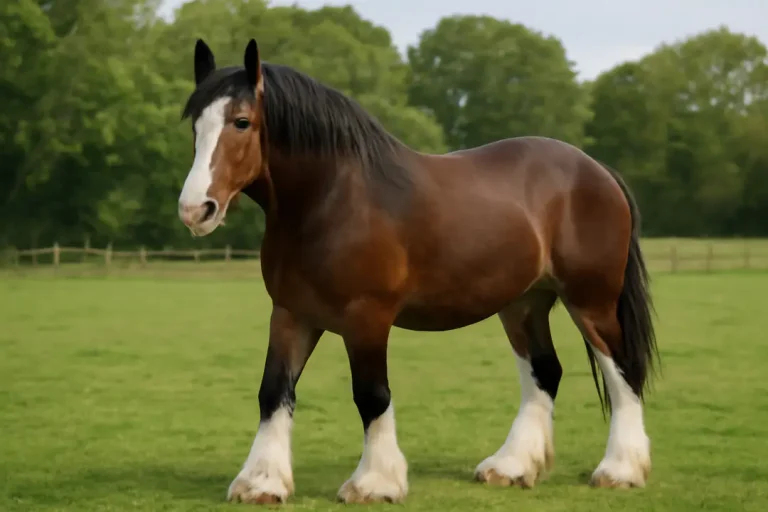
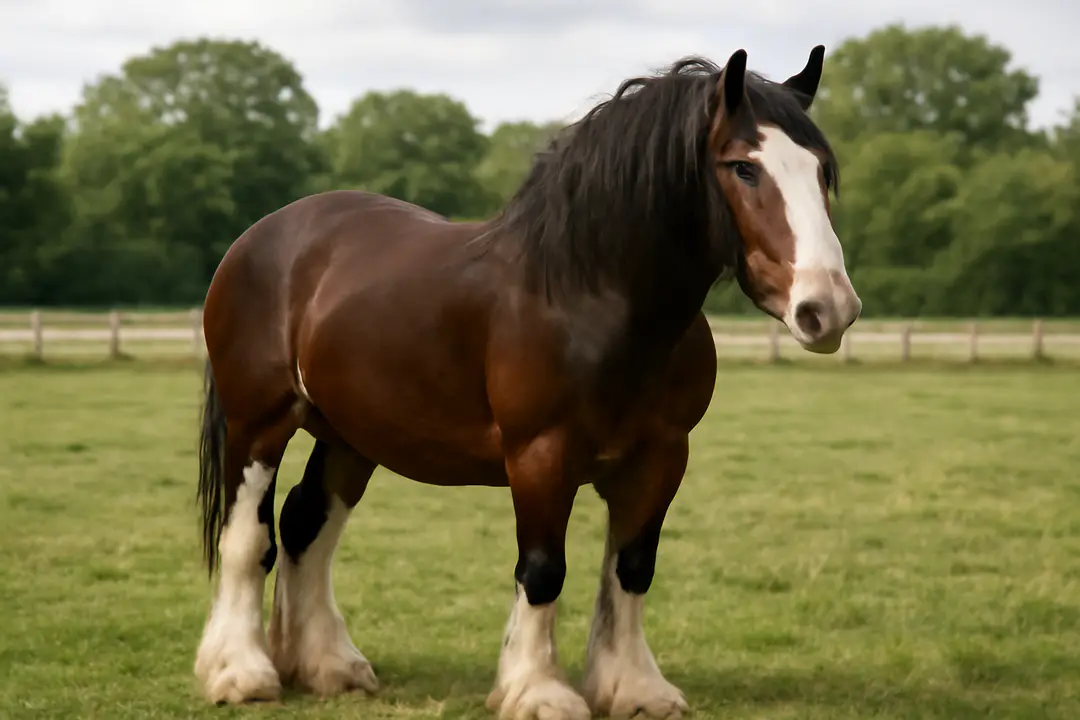
Sampson the Shire Horse: Awe-Inspiring Gentle Giant
You’ve probably heard of Sampson, one of the most famous Shire horses ever recorded. Yet many people overlook how much care and planning it took to maintain a horse of such remarkable size. Beyond its massive build, owners had to adjust feeding schedules, shelter dimensions, and exercise routines to suit this gentle giant. What did it really take to keep Sampson healthy and happy?
At the heart of any successful giant horse program is a solid care plan tailored to the animal’s unique needs. By understanding factors like hoof maintenance, specialized nutrition, and space requirements, you can prevent health complications and unexpected costs. Learning from Sampson’s example helps you make informed choices, whether you own a standard Shire or simply admire these majestic animals.
Origins and Early Life
Sampson was born in 1846 at Woodlands Farm in Toddington, England. From the start, his growth spurt caught everyone by surprise. Farmers noted his gentle temperament and rapid size gain, traits that fit the best of the Shire breed. The Shire is known for its calm nature and strength, thanks in part to careful breed traits passed down through generations.

By age five, Sampson outgrew standard stall stalls and needed custom stalls built on the farm. His hooves, already larger than most adult horses, demanded special attention long before he reached full height. Early training focused on light groundwork and socialization, helping him adjust to his handlers. This foundation set him up for a lifetime of health and manageable behavior.
Record Breaking Size
Standing at an astonishing 21.25 hands (7 feet 1 inch) tall and weighing around 1,565 kilograms, Sampson set a record that still stands. To put that in perspective, the average Shire measures 17 to 18 hands and weighs about 900 kilograms. Below is a simple comparison to highlight just how massive Sampson was:
| Horse | Height (hands) | Weight (kg) |
|---|---|---|
| Average Shire | 17.5 | 900 |
| Sampson | 21.25 | 1,565 |
| Clydesdale | 18 | 820 |
Reviewing these size charts shows why Sampson earned the title of the biggest horse ever. Owners today still use his measurements as a benchmark when assessing draft horse potential.
Daily Care Routine
Managing a horse like Sampson required a strict daily schedule. Hands-on grooming was crucial to prevent skin problems under that thick coat. Caretakers spent at least 45 minutes brushing, cleaning feathering around the hooves, and checking for sores or irritations.
Exercise was gentle at first—short walks, light lunging sessions, and plenty of time at pasture. This approach built muscle without risking joint strain. Twice a day, Sampson received hoof trimming and joint massage. Veterinarians specialized in large animals conducted monthly health checks, monitoring weight, mobility, and heart health.
Feeding and Nutrition
A giant horse’s diet must be balanced for size, age, and workload. Sampson’s caretakers relied on a mix of high-fiber hay, quality grain, and supplements. Here are the key feed components:
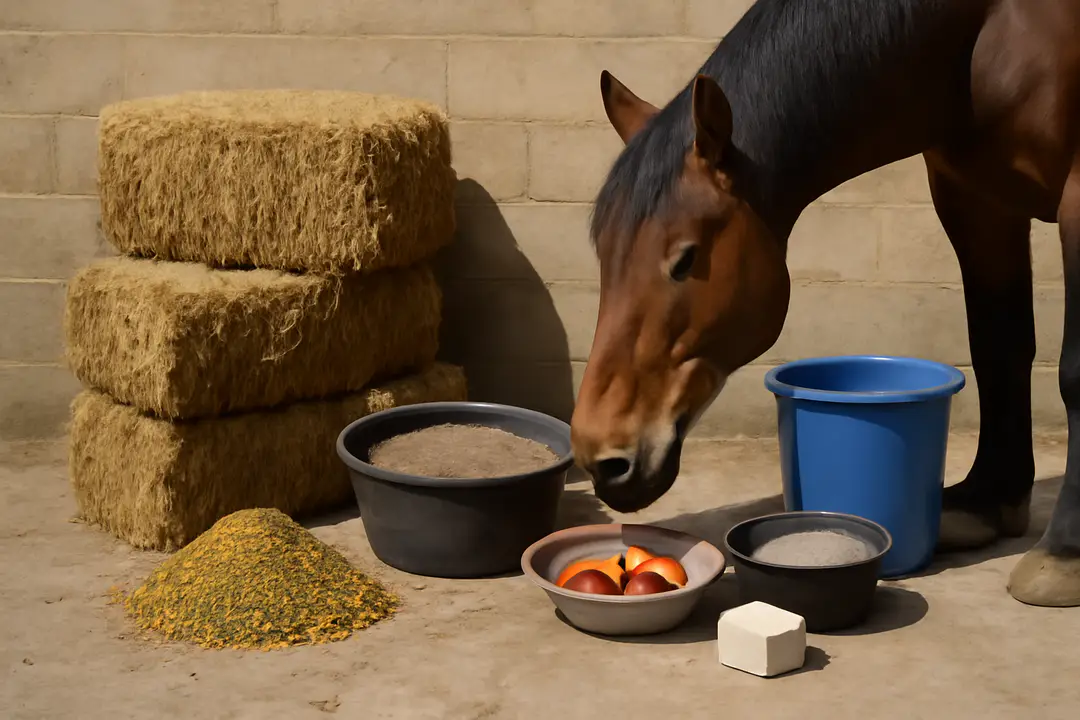
- Good-quality timothy or meadow hay – at least 15 kg daily
- Grain concentrate – 5 kg split into two meals
- Vitamin and mineral supplement – to support bone health
- Salt lick and fresh water – unlimited access
- Occasional carrot or apple treats – for training rewards
Monitoring body condition scores helped adjust rations on the fly. Too much grain could lead to founder; too little hay risked ulcers. This careful balance kept Sampson at an optimal weight and energy level year-round.
Training and Handling
Even with his size, Sampson responded best to calm, consistent handling. Trainers used voice commands, gentle pressure, and lots of patience. Early groundwork built trust and prevented fear-based reactions.
Hitch training came later. Sampson learned to pull carts and logs, showcasing his strength without strain. Handlers always used wide leather harnesses to distribute pressure evenly across his chest and shoulders. Regular desensitization exercises—touching with poles, flapping tarps—kept him relaxed in farm and show settings.
Legacy and Today
Sampson’s story inspired breeders to aim for both size and temperament in their horses. Today, hobby farms and show teams still seek out gentle giants. If you’re interested in finding Shires for sale, look for lineage records tracing back to top bloodlines.
Museums and heritage farms sometimes host Sampson look-alikes for educational demos. Seeing such a horse in person brings home how extraordinary these animals can be. Sampson’s legacy remains a benchmark for anyone passionate about draft horses.
Conclusion
Sampson the Shire Horse wasn’t just a record-breaker—he showed the world what careful breeding, feeding, and handling can achieve. His life centered on tailored care plans, from custom stalls to balanced nutrition. Each detail in his routine helped him stay healthy well into adulthood.
For current or future Shire owners, Sampson’s story offers practical lessons. Pay attention to growth rates, invest in proper gear, and build routines that address a large horse’s unique needs. Doing so not only supports the animal’s well-being but also deepens the human-horse bond. Sampson’s legacy invites us to treat every horse as an individual and celebrate their potential.