Shire Horse Size Comparison: Heights, Weights, Guide
We all admire the gentle giants that Shire horses are, whether it’s their majestic stride in a field or the power they bring to a carriage. Yet, while most folks note their strength, few stop to ponder how much these horses can vary in height and weight. From an especially tall stallion to a solidly built mare, the spread in their size can surprise even seasoned equine fans. What makes one Shire horse so much bigger than another, and how can you know what to expect?
Understanding the true range of Shire horse measurements can help you prepare the right stall size, choose proper gear, and budget for their unique care needs. By digging into average heights, record-setting individuals, and the factors that shape these dimensions, you’ll make smarter choices when buying, boarding, or competing. Let’s unpack these size secrets so you never face a stable surprise again.
Breed basics
Shire horses rank among the tallest of all draft breeds, often standing between 16 and 18 hands high (64 to 72 inches at the withers). They also pack serious mass, with weights typically from 1,800 to 2,400 pounds, depending on gender and bloodline. To see exact breaks for each horse, you might explore details on average height ranges recorded by registries. Breed clubs often list color standards, feathering, and temperament, but size guidelines are equally key.
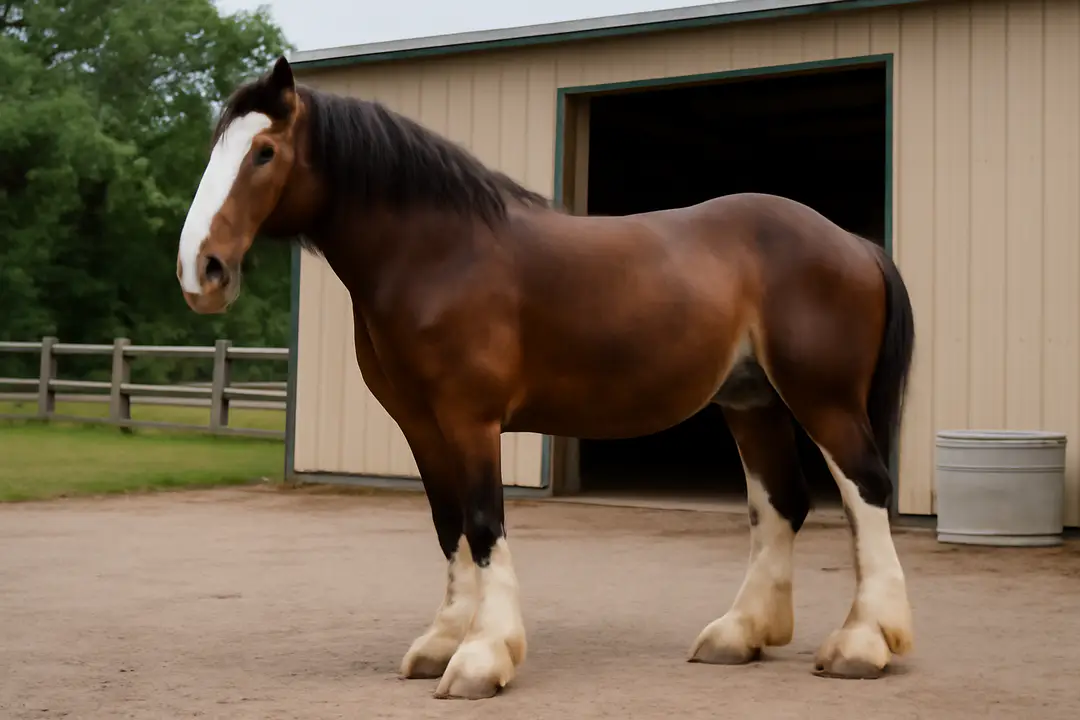
For owners, these numbers translate into decisions about stall width, ceiling height in a barn aisle, and the size of feed buckets or water troughs. If your stable doors are only eight feet tall, an 18-hand mare will fit easily – but a 19-hander could require modifications. Measuring your barn and trailer doorway against those inches is a simple first step that saves headaches down the road.
Genetics and diet impact
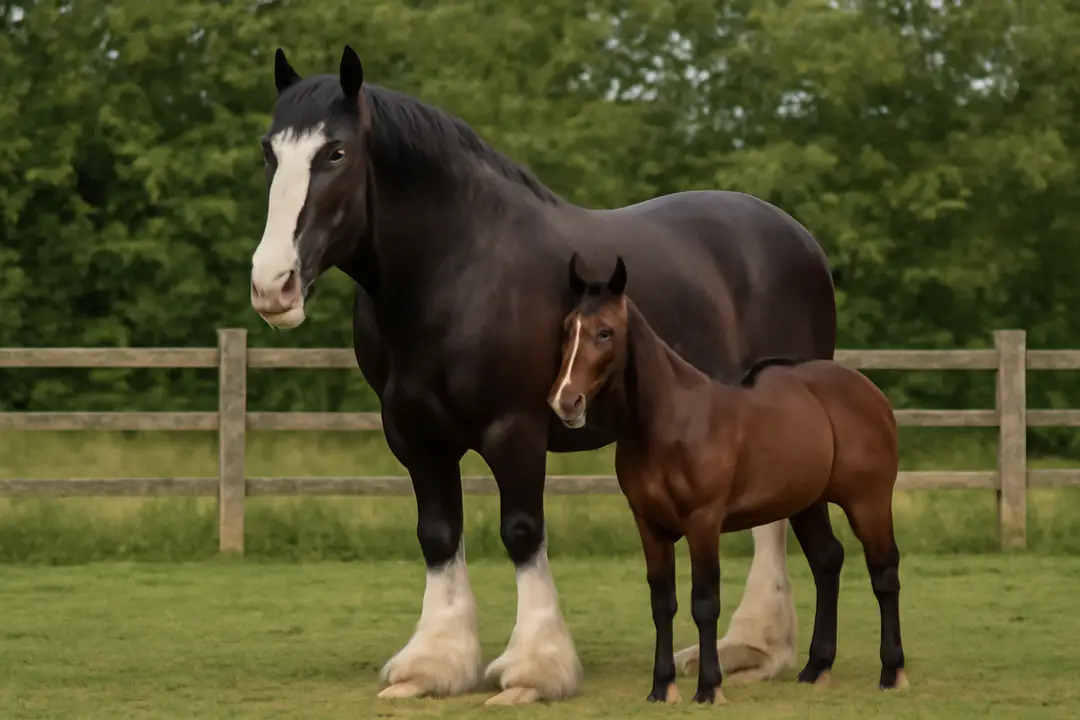
Height and weight in Shires don’t emerge overnight. Foals grow rapidly in their first year, adding up to two hands in height. Genetics set the upper limit, of course, but nutrition and health care shape actual outcomes. A well-balanced diet rich in protein, minerals, and vitamins supports bone growth and muscle development, while poor feed can stunt that process.
Breeders track bloodlines to predict size. If both parents stand above 17 hands, their offspring often trend large too. But environmental factors matter. Consistent hoof trimming, veterinary checkups, and turnout play roles. Without proper farrier care, uneven hoof growth can lead to postural issues that affect height measurements and comfort.
Practical tip: provide quality hay and a custom grain mix based on your horse’s workload. Engage an equine nutritionist for a feeding plan that supports steady growth without overloading calories. That way, you lean on both nature and nurture to reach your size goals.
Stallions versus mares
| Type | Average Height | Average Weight |
|---|---|---|
| Stallions | 17.0 – 18.2 hands | 2,000 – 2,400 lbs |
| Mares | 16.2 – 17.0 hands | 1,800 – 2,200 lbs |
| Geldings | 16.3 – 17.5 hands | 1,900 – 2,300 lbs |
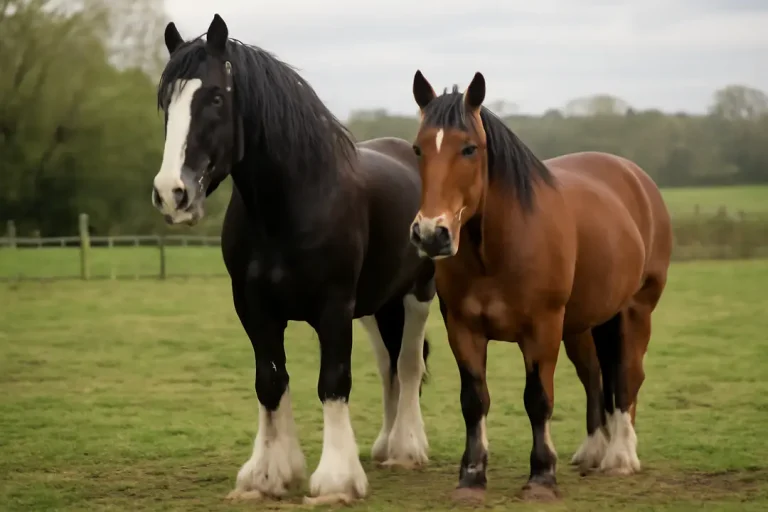
On average, stallions outsize mares by a few inches and a couple hundred pounds. Geldings often fall between those extremes. These differences arise from hormonal influences during growth and muscle development. Hunters seeking breeding stock may opt for a stallion with strong bone and a broad chest, while show riders often choose a mare whose size feels more manageable.
Tip: before buying, measure at the withers with a proper equine measuring stick. Note the horse’s conformation – a sloping shoulder can make the horse appear taller but doesn’t always translate to stride length. Combining height data with photos and vet reports paints a full picture of your potential equine partner.
Champion size records
Some Shires still break our regular expectations. Take Sampson, a gelding born in the mid-19th century and often hailed as the tallest horse ever recorded. While records vary, his height soared to around 21.2 hands, and he tipped scales over 3,000 pounds—astonishing even today. You can find more on these giants and their legacies through stories of the biggest Shire horse ever shown.
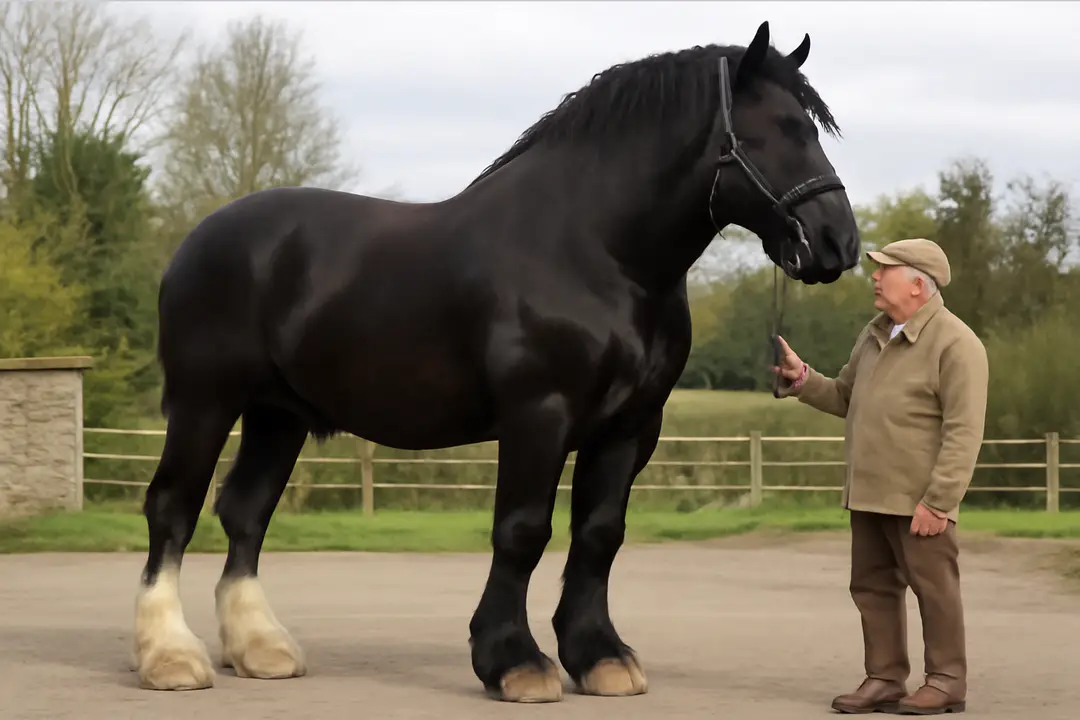
More recently, a horse named Goliath claimed similar fame with measurements close to 20.3 hands. These individuals stand well above today’s averages and serve as benchmarks for breeders chasing extra height. But remember, they represent outliers. Most Shires you’ll meet fall closer to standard breed statistics.
Practical note: attempting to breed for extremes can introduce health or soundness issues. Instead, focus on balanced size, correct conformation, and soundness. Those traits keep your horse both large and long-lived.
Stable and transport
- Measure stall width and height to fit your horse’s height and wingspan.
- Install rubber mats and heavy-duty stall fronts to support weight.
- Select a trailer with at least eight feet of headroom and removable dividers.
- Use wide padded halters and strong cross-ties for loading and unloading.
- Plan for extra feeding and watering access in transit to prevent dehydration.
Transporting Shires demands special gear. Trailers should offer high ceilings and non-slippery floors. Stall fronts need reinforced materials to stand up to 2,000-plus pounds pushing during transit. At home, stalls of 14 by 14 feet ensure the horse can turn comfortably.
Tip: always have a backup plan for veterinary emergencies when traveling. Big horses require larger ambulances and specialized vet equipment. Confirm these resources exist along your route before hitting the road.
Shire versus other drafts
Shires share draft duties with breeds like Percherons and Clydesdales, but size distinctions matter. Clydesdales average 16.2 hands and around 1,800 pounds, while Percherons often stand 16 to 17 hands at about 1,900 pounds. In a direct comparison of Shire and Clydesdale, Shires typically edge out by an inch or two and several hundred pounds.
These differences impact farm tasks. A heavier Shire might pull larger loads, but a lighter Percheron could offer more agility in tighter spaces. Choice comes down to your property layout, the loads you plan, and the horse’s temperament.
Tip: arrange demos or short-term leases with local breeders to test each breed’s fit on your farm. Hands-on experience proves more revealing than numbers alone.
Conclusion
Diving deep into Shire horse size comparison reveals more than simple averages. It shows how genetics, nutrition, gender, and record-breaking legends shape each animal’s potential. Armed with this knowledge, you’ll choose horses that match your barn space, hauling capacity, and riding goals. Whether you aim to stand beside a standard 17-hand mare or glimpse history through a 21-hand titan, understanding these numbers prevents surprises and guides smarter decisions.
Next time you visit a stable or speak with a breeder, you’ll know which questions to ask: what bloodlines influence height, how diet supports growth, and what to expect in stall and trailer sizing. Embrace these size insights, and you’ll step into the world of Shire horses with confidence, ready for both everyday handling and the occasional awe-inspiring show ring moment.