Shire Horse Coat Colors Guide: Variations, Care & Tips
When you admire a Shire horse striding into the field, its coat often steals the show. Many guides focus on size or strength, but the rich spectrum of coat colors in this draft breed is often overlooked. From deep bay to striking grey, each hue tells a story about lineage and care. Yet how often do owners wonder what causes those subtle differences and why they matter?
Understanding coat colors can help you pick the right horse for your stable, plan a breeding program, or avoid surprises at foaling. By learning the basics of Shire color genetics and practical care tips, you can make smarter decisions about selection, grooming, and health. This knowledge ensures your horse looks its best and stays healthy in every season.
Shire Coat Basics
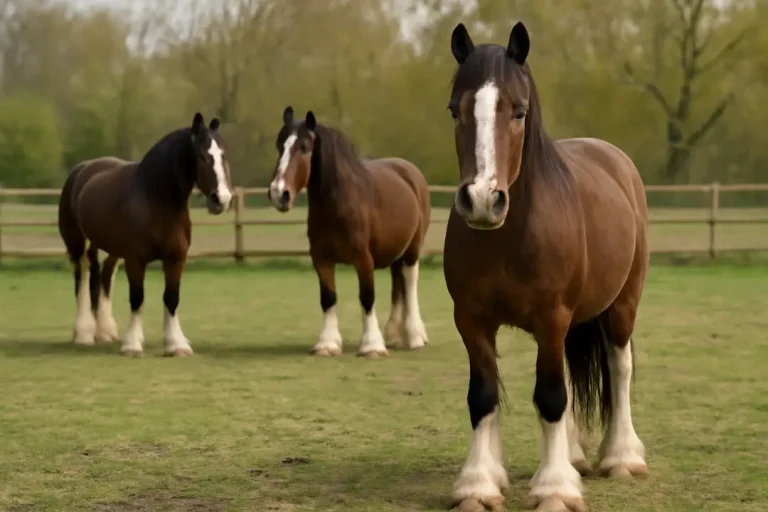
The Shire horse is known for its impressive size and gentle nature, but its coat also demands attention. Most Shires display solid base colors, including bay, black, grey, and chestnut. These shades form the foundation before any patterns or markings appear.
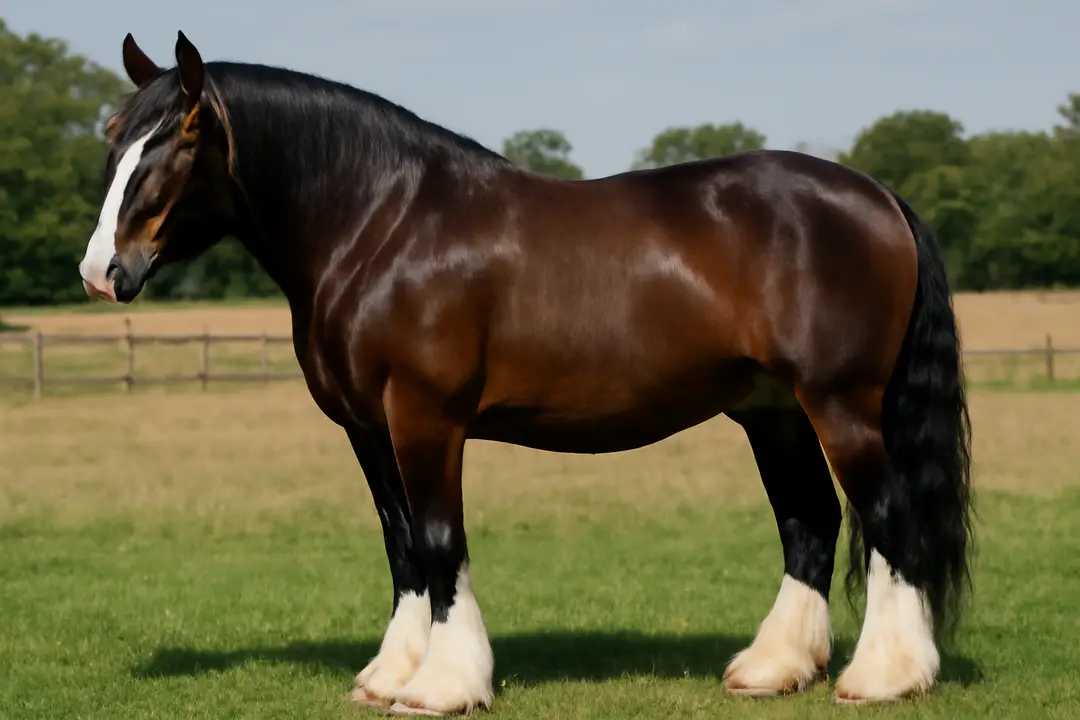
Bay horses range from light copper to dark mahogany, always with black points—mane, tail, and lower legs. Blacks are less common and often appear glossy in good light. Greys may be born dark but lighten over time, especially by age five. Chestnuts vary from pale red to deep liver.
Tips for evaluating a coat: look at the sheen—healthy hair reflects light. Check for uniformity—patchy areas could signal skin issues. Inspect the mane and tail to confirm point color on bays. Remember, seasonal hair growth can hide true color into winter.
Knowing these basics helps you spot breed standards and possible health flags. It also prepares you for more unusual or mixed patterns, so you won’t be taken by surprise when your foal shows its first coat.
Common Coat Colors
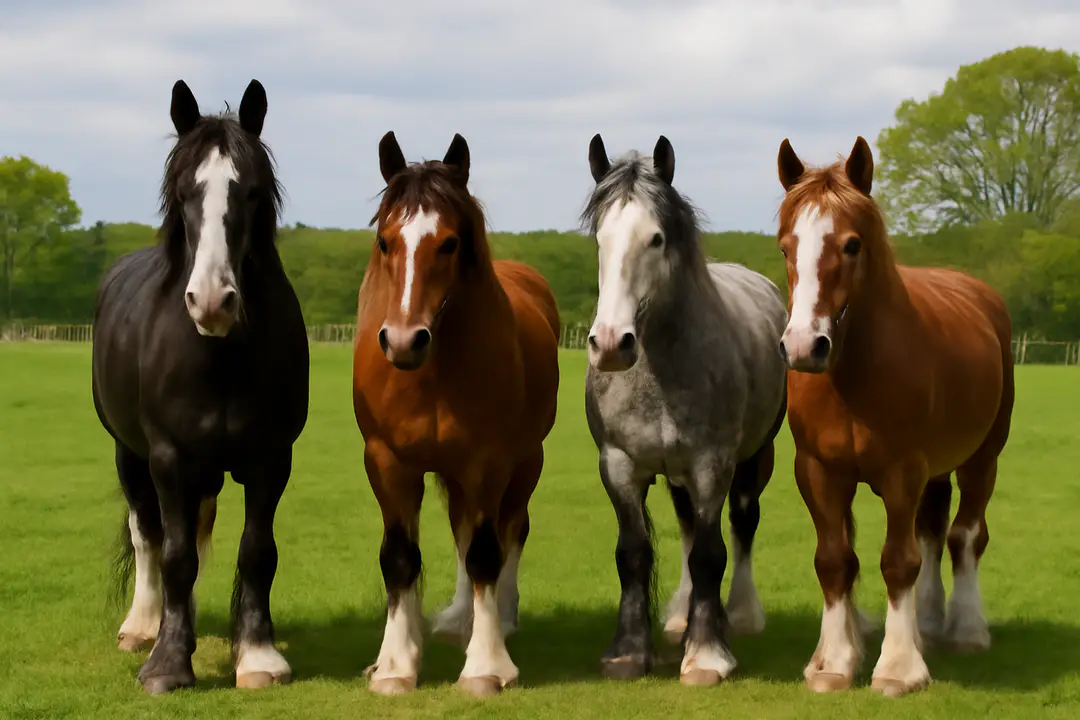
While Shires share a few core colors, each one has its own charm and care needs. Here are the main shades you’ll meet:
- Bay: Rich red body with black mane, tail, and legs. Needs regular grooming to keep those black points free of dirt.
- Black: Solid black from head to hoof. Use UV-blocking spray to prevent sun-fading in summer months.
- Grey: Can be dapple grey or light grey as they age. Watch for skin sensitivity under lighter coats.
- Chestnut: Body and points all red. Apply fly spray to protect the reddish mane from sun bleaches.
Beyond these, you might see smokey variations if certain genes are present. Rain and mud show up more on dark coats, so bay and black horses benefit from weekly baths. Lighter greys hide dust but reveal stains quickly when damp. Chestnuts need extra conditioner in the tail to avoid tangles.
Knowing the practical upkeep tied to each color will save you time and grooming products. Adjust your routine to match the coat’s needs and your horse will shine.
Unusual Color Variations
Some Shires carry genes that create rare or mixed patterns. Although true pintos are not breed standard, you may spot small white patches on belly or legs. Sabino markings—jagged white edges—appear in rare lines. Roan Shires blend white hairs into the base coat, giving a frosted look.
If you spot a smudge of white on the shoulder or an extended blaze, this may signal minimal sabino. Roan horses often show a uniform mix of white hairs on the flanks. These variations do not affect strength but influence show eligibility in strict breed competitions.
Practical tip: genetic testing can confirm carrier status for roan or dilution genes. This insight helps breeders avoid unexpected color results in foals. Look out for subtle signs in yearlings—fading or intensifying colored patches as they grow.
When considering an unusual coat, factor in brightness and how colors fade across seasons. Some patterns look striking in winter coat but blend in by summer. In turn, your grooming schedule may need to adapt—frequent trimming highlights or conceals markings.
Color Genetics Explained
Understanding the basic genes behind Shire coat colors helps remove mystery. A few key alleles determine whether a foal is bay, black, chestnut, or grey. The grey gene overrides other colors with age, turning a foal grey even if it starts as bay or black.
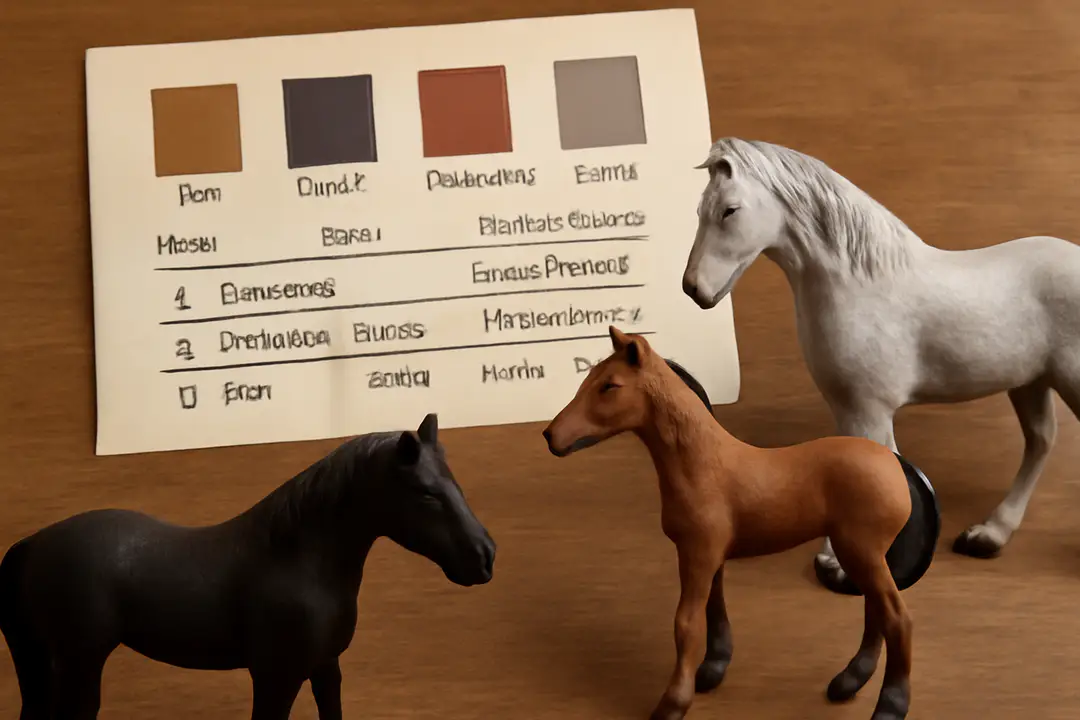
Here’s a simple view of how top genes interact:
| Gene | Effect | Resulting Color |
|---|---|---|
| E (Extension) | Allows black pigment | Bay or Black |
| e (Recessive) | Blocks black pigment | Chestnut |
| G (Grey) | Fades to grey | Grey Over Base |
While this table covers core genes, modifiers like cream or roan add complexity. A single cream gene can turn a bay into buckskin. Two creams often create a palomino or cremello shade—though these are rare in Shires.
Tip: When planning matings, request parentage test results. Many registries include genotype reports. Match alleles to predict your foal’s base color and any greying influence over its life.
Care and Upkeep
Every coat color comes with specific care demands. Dark coats show dust and sun-fade quickly. Lighter greys require more frequent washes to remove stains. Tailor your routine to match the color’s quirks.
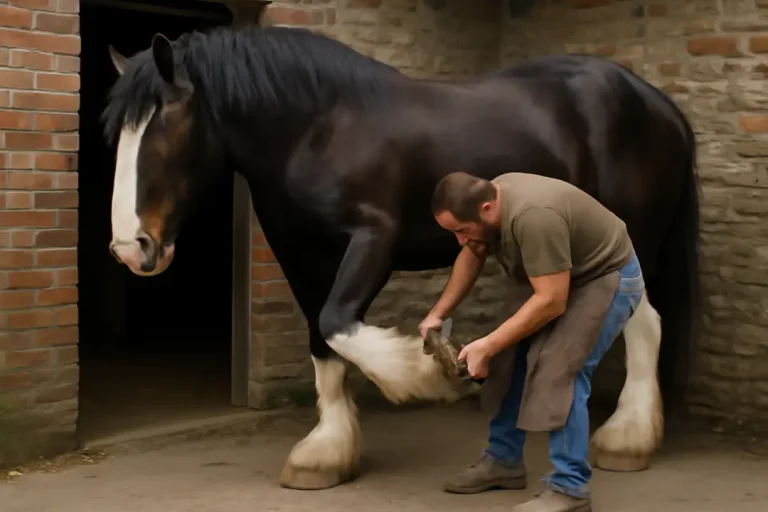
Start with a solid daily routine that covers brushing, hoof cleaning, and color-safe wash. If you follow a regular daily routine, you’ll spot blemishes or skin issues early. Use a mild shampoo on greys to avoid yellowing.
Grooming tips also matter. Soft brushes help remove hairs gently on black coats, preventing shine dullness. For chestnuts, a detangler spray keeps the mane glossy. You can learn more detailed grooming tips that suit different colors and seasons.
Regular coat checks reveal parasites, rash, or fungal spots beneath any color. Adjust turnout and blanket schedules—dark horses can overheat in summer, while light horses need more sun protection. Finally, a balanced diet rich in omega oils supports healthy hair growth, no matter the shade.
Choosing by Color
When selecting a Shire horse, color often ranks third after temperament and structure. However, coat color can influence your use and stable upkeep. Picking the right color means fewer surprises later.
If you want a horse for shows, bay or black Shires meet most breed standards. Grey horses offer a striking presence but demand extra cleaning. Chestnuts look warm and friendly—but may show dust more easily.
Consider your local climate and turnout. In sunny areas, black coats fade faster. In muddy paddocks, greys look dirty by midday. Match color to your environment and management style for less daily work.
Breed temperament also aligns loosely with family lines. If you review the temperament notes along with color records, you can find a horse that behaves and looks ideal. Finally, choose a coat that brings you joy—that bond starts with the very first glance.
Conclusion
Shire horse coat colors add depth to this gentle giant’s appeal. From solid bay or black to rare roan and sabino patterns, each horse carries a blend of history and genetics in its hair. By learning the basics—base shades, unusual variations, and key genes—you can predict foal outcomes or make savvy purchases.
Practical grooming and care depend on color too. Daily checks, color-safe shampoos, and balanced nutrition keep any coat gleaming. Linking your routine to specific needs—like extra stain removal for greys—saves effort and highlights your horse’s best features.
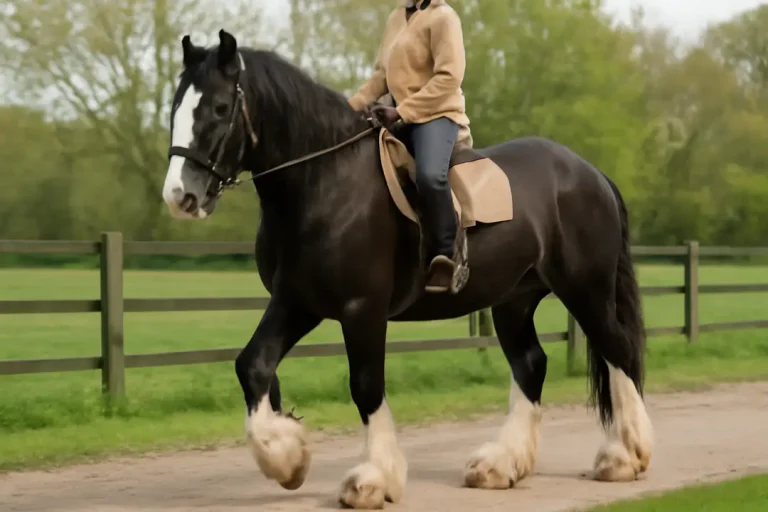
Whether you plan to show, breed, or simply enjoy riding, coat color knowledge makes a difference. It prevents unwelcome surprises, guides breeding decisions, and strengthens your bond every time you reach for the brush. Embrace the variety of Shire colors, and let that understanding shape your next choice in the stallion or mare you bring home.