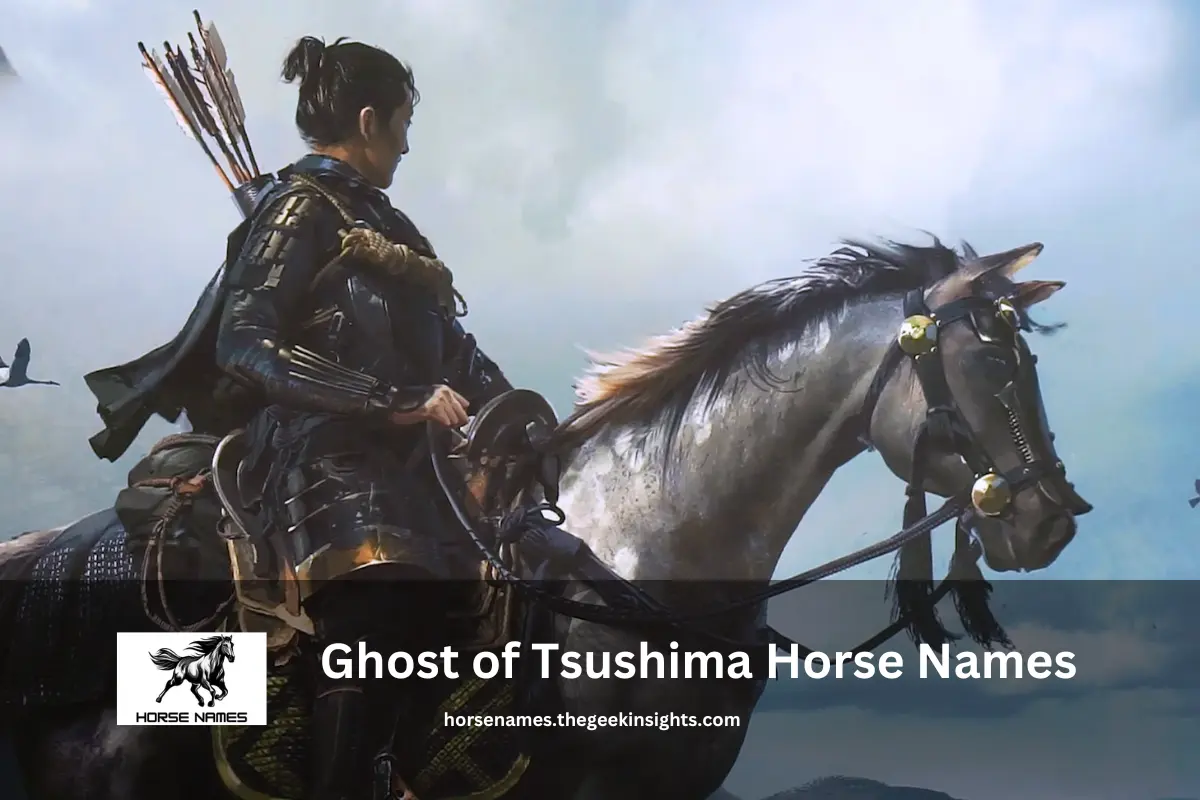
Ghost of Tsushima: Horse Names and Their Significance
In “Ghost of Tsushima,” players embark on an epic journey through feudal Japan, accompanied by a trusty horse that adds depth to the gaming experience. Horses not only serve as a mode of transportation but also as faithful companions throughout Jin Sakai’s adventure. Players are given the opportunity to choose their horse’s name, adding a personal touch to their journey across Tsushima.

Choosing a name for Jin’s horse is more than just a simple decision; it reflects the player’s connection to the horse and can even impact how they perceive their journey. Players can pick from several names, each with its own cultural significance and meaning. This choice can enhance the player’s immersion in the game, making the bond between Jin and his horse feel more authentic.
The experience of naming and customizing the horse in “Ghost of Tsushima” contributes to the game’s storytelling and emotional depth. The horse’s role is pivotal in traversing the island, participating in battles, and exploring the expansive environment. As players progress, the bond with their horse grows stronger, showcasing the thoughtful design and emotional investment in the game.
Key Takeaways
- Players can choose a meaningful name for their horse, enhancing immersion.
- The horse serves both functional and narrative roles in the game.
- Naming the horse adds personal connection and depth to gameplay.
Horse Names Inspired by Ghost of Tsushima
Here’s a list of horse names inspired by Ghost of Tsushima, reflecting the game’s themes of honor, nature, Japanese culture, and samurai legacy:
1. Samurai-Inspired Names
- Jin – Protagonist of Ghost of Tsushima
- Sakai – Jin’s family name
- Bushido – The samurai code of honor
- Kensei – Sword saint
- Katana – Traditional samurai sword
- Ronin – Masterless samurai
- Kenshin – Referring to the famous Uesugi Kenshin
- Musashi – Legendary samurai Miyamoto Musashi
- Shogun – Military leader
- Hattori – Inspired by Hattori Hanzo, a legendary samurai
- Yojimbo – Bodyguard
- Tadayori – Legendary archer in the game
- Masako – Jin’s ally in the game
- Sensei – Master or teacher
- Ryu – Dragon
- Tatsumi – Dragon porter
- Harunobu – Strong spirit
- Takashi – Noble or exalted
- Tsushima – The island itself
- Genji – A legendary samurai name
2. Nature-Inspired Names
- Sora – Sky
- Kaze – Wind
- Tsuchi – Earth
- Umi – Ocean
- Mori – Forest
- Hikari – Light
- Yuki – Snow
- Sakura – Cherry blossom
- Hana – Flower
- Kumo – Cloud
- Ame – Rain
- Nami – Wave
- Renga – Lotus
- Midori – Green
- Akari – Bright light
- Fuji – Referring to Mount Fuji
- Asahi – Morning sun
- Suzume – Sparrow
- Chikyu – Earth
- Hayate – Swift wind
3. Stealth and Shadow-Inspired Names
- Kage – Shadow
- Yami – Darkness
- Kurai – Gloomy or dark
- Shirokage – White shadow
- Kuro – Black
- Zetsumei – Doom or demise
- Kurohane – Black feather
- Kuroikaze – Black wind
- Akumu – Nightmare
- Maboroshi – Phantom
- Ninpou – Ninja technique
- Kagehana – Shadow flower
- Kurokami – Black hair (symbolizing shadows)
- Onyx – Black gemstone
- Tsuyoi – Strong
- Shizuka – Silent
- Tsubasa – Wings
- Shinobi – Ninja or covert warrior
- Kaede – Maple leaf (quiet falling leaf)
- Kamikage – Divine shadow
Check out Japanese Horse Names: A Guide to Unique and Meaningful Choices
4. Mythological and Legendary Names
- Amaterasu – Sun goddess
- Susanoo – Storm god
- Raijin – Thunder god
- Fujin – Wind god
- Orochi – Eight-headed serpent
- Izanagi – Creator deity
- Izanami – Goddess of creation and death
- Tsukuyomi – Moon god
- Yurei – Ghost or spirit
- Oni – Demon
- Tengu – Mythical bird demon
- Kitsune – Fox spirit
- Ryujin – Dragon god of the sea
- Yuki-onna – Snow woman spirit
- Inari – God of rice and fertility
- Kagutsuchi – Fire god
- Hachiman – God of war
- Komainu – Lion-dog guardian
- Seiryu – Azure dragon
- Suzaku – Vermilion bird
5. Honor and Virtue-Inspired Names
- Makoto – Sincerity
- Chikara – Strength
- Meiyo – Honor
- Seigi – Justice
- Yuuki – Courage
- Tadashi – Righteousness
- Kin – Golden
- Akira – Clarity or bright
- Haru – Spring or sunlight
- Junsa – Pure
- Kento – Sharp or intelligent
- Ren – Lotus or love
- Tomoe – Wisdom and courage
- Daichi – Great land
- Aiko – Little loved one
- Tsubaki – Camellia, a symbol of perseverance
- Kensho – Humble yet enlightened
- Retsu – Fury or passion
- Kohei – Peace
- Katsu – Victory
6. Horses in Ghost of Tsushima (Direct Game References)
- Nobu – Trust (Jin’s loyal horse option)
- Sora – Sky (Jin’s horse option)
- Kage – Shadow (Jin’s horse option)
- Taka – Falcon (Jin’s ally’s name, ideal for a swift horse)
- Masako – Name of Jin’s ally
- Yuna – Jin’s companion in the game
- Shimura – Jin’s uncle
- Ryuzo – Leader of the Straw Hats
- Tadayori – Legendary archer
- Gosaku – Legendary warrior armor bearer
- Tomoe – Sensei Ishikawa’s student
- Otsuna – Mythical village
- Iki – Island from the DLC
- Kaede – Inspired by nature in the game
- Mongol – Referring to invaders
- Sogen – Name of the traitorous monk
- Jito – Lord protector
- Clan Sakai – Family of Jin
- Clan Adachi – Ally of Jin
- Tsushima – Name of the island
Check out 300+ War Horse Names: A Tribute to Valor and Strength
7. Color and Coat-Inspired Names
- Shiro – White
- Kuro – Black
- Akai – Red
- Gin – Silver
- Kinpaku – Gold
- Ao – Blue
- Haiiro – Gray
- Shinku – Crimson
- Murasaki – Purple
- Chairo – Brown
- Kogane – Golden
- Midori – Green
- Sumire – Violet
- Hinode – Sunrise
- Yoru – Night
- Kasumi – Mist
- Hikari – Light
- Kurohime – Black princess
- Ginrin – Silver scales
- Aokaze – Blue wind
8. War and Combat-Inspired Names
- Katana – Samurai sword
- Yari – Spear
- Chikara – Strength
- Tetsuya – Iron blade
- Kiba – Fang
- Yaiba – Blade
- Kenji – Sword master
- Tatsumaki – Tornado
- Hikari – Flash (of steel)
- Ha – Edge (of a sword)
- Retsu – Fury
- Senkou – Flash of light
- Gekido – Rage
- Ikari – Anger
- Tenrai – Divine thunder
- Hayate – Gale
- Kurogane – Black steel
- Tanken – Dagger
- Kaikou – Sea battle
- Jinrai – Thunderclap
9. Japanese Poetry and Art-Inspired Names
- Haiku – Traditional short poem
- Sakura – Cherry blossom (symbol of fleeting beauty)
- Uta – Song or poem
- Tsubaki – Camellia, a symbol of elegance
- Momiji – Red autumn leaves
- Kaede – Maple leaf
- Kumo – Cloud
- Ukiyo – Floating world
- Shiori – Poem bookmark
- Sensu – Folding fan (symbol of art)
- Enso – Zen circle in calligraphy
- Hana – Flower
- Tsuki – Moon
- Yume – Dream
- Kaze – Wind
- Amaya – Night rain
- Hoshizora – Starry sky
- Michi – Path
- Shizuka – Serenity
- Ryusei – Shooting star
10. Island and Coastal-Inspired Names
- Umi – Sea
- Nami – Wave
- Koura – Shell
- Hamabe – Beach
- Kaigan – Coast
- Minato – Harbor
- Isora – Goddess of the seashore
- Suna – Sand
- Nagisa – Seashore
- Aoshima – Blue island
- Shima – Island
- Iwa – Rock
- Umiya – House of the sea
- Iso – Shoreline
- Kujira – Whale
- Taiyo – Sun
- Yugata – Sunset
- Toudai – Lighthouse
- Asase – Shallow waters
- Umikaze – Sea breeze
Also check out 250+ White Horse Names
11. Mongol-Inspired Names (For the Invading Forces)
- Batu – Strong
- Altan – Golden
- Khar – Black
- Temur – Iron
- Arslan – Lion
- Saran – Moon
- Orkhon – River
- Bekh – Leader
- Tumen – Army of 10,000
- Khatan – Queen
- Kublai – Famous Mongol leader
- Genghis – After Genghis Khan
- Chono – Wolf
- Khara – Dark
- Borjigin – Lineage of Genghis Khan
- Naran – Sun
- Erdene – Jewel
- Tsagaan – White
- Baatar – Hero
- Bayan – Rich
12. Japanese Folklore-Inspired Names
- Kitsune – Fox spirit
- Tengu – Bird-like demon
- Yurei – Ghost
- Oni – Demon
- Yuki-onna – Snow woman spirit
- Tanuki – Mischievous raccoon-dog
- Kappa – Water spirit
- Raiju – Thunder beast
- Noppera-bo – Faceless ghost
- Kuchisake – Slit-mouthed woman
- Inari – Fox deity
- Hannya – Vengeful female spirit
- Futakuchi – Two-mouthed woman
- Kamaitachi – Sickle weasel
- Yatagarasu – Three-legged crow
- Nue – Chimera-like creature
- Gashadokuro – Giant skeleton spirit
- Suzaku – Vermilion bird
- Kirin – Mythical hooved beast
- Byakko – White tiger
13. Honor and Virtue Names
- Meiyo – Honor
- Gi – Righteousness
- Rei – Respect
- Chugi – Loyalty
- Jin – Benevolence
- Makoto – Sincerity
- Seigi – Justice
- Shinrai – Trust
- Yuuki – Courage
- Kanso – Simplicity
- Teinei – Politeness
- Shisei – Commitment
- Kansha – Gratitude
- Shinjitsu – Truth
- Shinobu – Perseverance
- Gisei – Sacrifice
- Sonkei – Respect
- Kaizen – Continuous improvement
- Shizuku – Drip (of wisdom)
- Chiyu – Healing
Check out 115 Unique Horse Names
14. Themes of Revenge and Redemption
- Fukushu – Revenge
- Keisei – Redemption
- Zankoku – Cruelty
- Yogen – Prophecy
- Saimin – Hypnosis
- Kanashimi – Sadness
- Yurusareta – Forgiven
- Shinka – Evolve
- Hikai – Regret
- Hoshii – Desire
- Henka – Change
- Jikan – Time
- Saikai – Reunion
- Ketsui – Resolve
- Shuen – The end
- Kizuna – Bonds
- Aibo – Partner
- Shimei – Mission
- Kyuusei – Salvation
- Kaikou – Reunion
15. Ghost and Spirit-Inspired Names
- Kage – Shadow
- Yami – Darkness
- Maboroshi – Phantom
- Shin’en – Abyss
- Akumu – Nightmare
- Hantou – Half-light
- Shinkirou – Mirage
- Yurei – Ghost
- Reikon – Soul
- Kurokage – Black shadow
- Gensou – Illusion
- Seishin – Spirit
- Rei – Ghost or soul
- Kurohime – Black princess
- Shizuka – Silent
- Kurayami – Darkness
- Kuroi – Blackened
- Hikage – Shadow light
- Kaibyou – Phantom cat
- Akasha – Ether
The Significance of Horse Names in Ghost of Tsushima
Horse names in Ghost of Tsushima are not just cosmetic choices. They reflect cultural values, strengthen the player’s connection with the horse, and influence the overall gameplay experience. Choosing a name adds depth to the player’s journey through Tsushima.
Cultural Importance
The horse names available in Ghost of Tsushima—Nobu, Sora, and Kage—carry meaning deeply rooted in Japanese culture. Nobu, meaning “trust,” highlights loyalty and reliability. Sora translates to “sky,” evoking freedom and openness. Kage, meaning “shadow,” hints at stealth and mystery. These names reflect specific traits valued in Japanese society, enriching the cultural immersion of the game.
Japanese culture places significant emphasis on the symbolism of names. By incorporating these elements, players gain insight into traditional values and aesthetics. This layer of cultural appreciation enhances the authenticity of the game’s setting.
Character Bonding
Naming the horse helps form a bond between Jin, the protagonist, and his animal companion. The chosen name is frequently used in conversations and interactions, personalizing the player’s experience. This bond mirrors real-world relationships between riders and their horses, creating an emotional attachment.
The game uses the horse as more than just a transportation tool. By allowing players to name their horse, it emphasizes its role as a trusted companion. This emotional connection enhances the storytelling, making the player’s journey feel more meaningful.
Player Choice and Gameplay Impact
While horse names don’t offer statistical benefits, the choice influences the narrative experience. Players feel a sense of ownership and identity with their horse, which can affect decisions made throughout the game. The selected name becomes part of the memory and story shared between the player and the game world.
Ghost of Tsushima does not allow players to change the horse’s name mid-game. This permanence adds weight to the decision, encouraging players to consider their choice carefully. Although the gameplay mechanics remain unaffected, the emotional impact and narrative depth are enriched by this simple decision.
Available Horse Names in Ghost of Tsushima
In Ghost of Tsushima, players can choose one of three horse names for Jin Sakai’s loyal companion. Each name reflects different qualities and characteristics that players may resonate with. The choice of a name is personal and adds an immersive element to the game experience.
Nobu
Nobu is a popular choice for Jin’s horse, symbolizing trust and loyalty. In Japanese, “Nobu” roughly translates to “faith” or “trust,” which fits perfectly with the idea of a reliable companion. This name conveys a sense of stability and reliability, reflecting how the horse serves as Jin’s steadfast partner throughout the game.
Players who prefer a more comforting and supportive vibe may gravitate towards this name. It doesn’t affect gameplay mechanics or stats, but the emotional attachment formed can enhance the player’s journey. The horse becomes an integral part of navigating the world, making Nobu a fitting choice for players seeking a bond built on faith and dependability.
Sora
Sora is another name offered, bringing a sense of freedom and exploration. “Sora” translates to “sky,” highlighting themes of boundlessness and adventure. This name appeals to players who enjoy the open-world environment of Tsushima and the idea of exploring it with a horse embodying these qualities.
Choosing Sora reflects a player’s desire to embrace the game’s vast landscapes and the freedom to wander. The presence of Sora can inspire a feeling of openness and limitless possibilities, aligning well with the game’s expansive nature. Though it doesn’t change the horse’s functionality, it encourages a spirit of exploration.
Kage
Kage provides an option that represents mystery and stealth. The word “Kage” translates to “shadow,” suiting players who prefer a more secretive approach. This choice may appeal to those who enjoy the stealth mechanics and sneaking elements within Ghost of Tsushima.
Kage fits a darker, more enigmatic theme, aligning with players who like to move unseen and strike from the shadows. It’s a name that enhances the immersive experience for those who appreciate a strategic, stealthy playthrough. Although it doesn’t affect the horse’s abilities, the name enriches the story by adding a layer of stealthy mystique to Jin’s journey.
How to Name Your Horse
In “Ghost of Tsushima,” players can personalize their horse by choosing a name. This choice adds a unique touch to the game, though it doesn’t affect gameplay statistics.
Initial Selection Process
When starting “Ghost of Tsushima,” players have the opportunity to name their horse. The options provided include Nobu, Sora, and Kage. Each name carries a specific meaning: Nobu means Trust, Sora means Sky, and Kage means Shadow. This choice happens early in the game, emphasizing personal connection rather than game mechanics.
While the names don’t impact gameplay, they help create an emotional bond with the horse companion. The player’s choice will determine how Jin Sakai refers to the horse throughout their journey.
Renaming Options
If players wish to change their horse’s name at any point, they will need to be aware that this isn’t typically a built-in feature. Horses remain with the same name throughout the player’s journey, maintaining the identity chosen at the start.
Changes in the horse’s name and appearance are permanent once picked. Players should carefully consider their initial selection to ensure they are happy with the name. They can explore more about horse naming in “Ghost of Tsushima” at Gosu Noob’s guide on horse selection.
Horse Characteristics and Customization
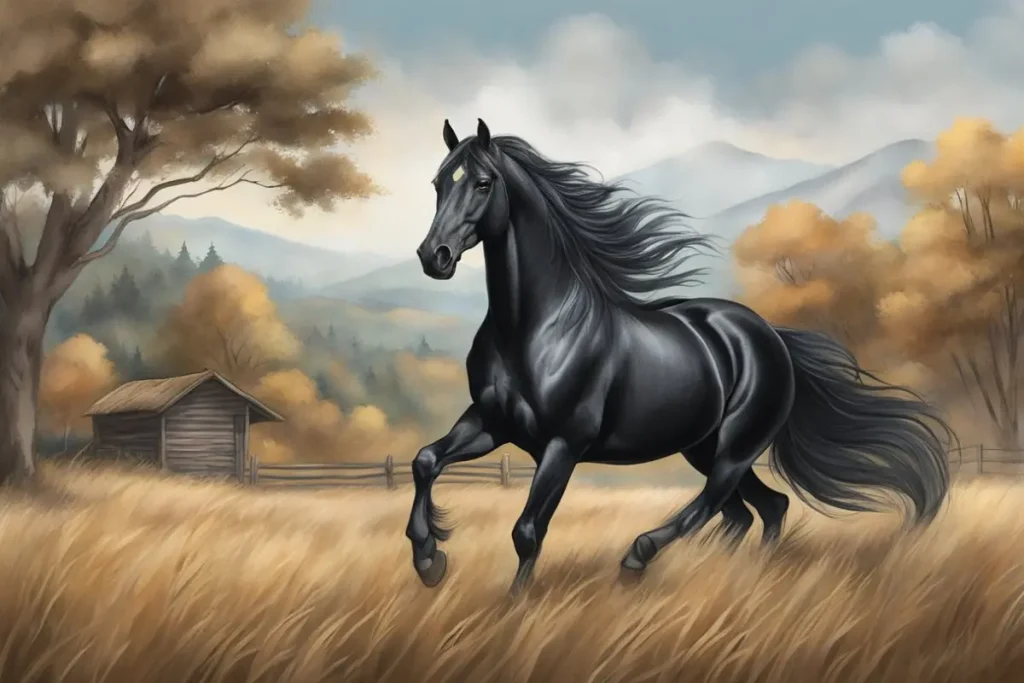
In Ghost of Tsushima, horses play a significant role in both travel and personal expression. While their stats remain consistent, players can customize their horse’s appearance and equip various accessories for a unique look.
Appearance Variations
Players can choose from several horse colors, including black, white, and dapple. These colors do not affect gameplay but allow for personal preference in style. Once chosen, the horse’s appearance is permanent throughout the journey.
In the Digital Deluxe Edition of Ghost of Tsushima, players have access to a unique brown horse. This option adds more variety in customization for those with that edition.
Armor and Accessories
Players can also customize their horse with different types of armor and saddles, enhancing its visual appearance. These accessories can be acquired through gameplay progression and completing various tasks.
Though primarily decorative, these items reflect personal choice and can showcase achievements. Horse armor and saddles do not provide gameplay advantages or affect horse abilities. Personalizing the horse helps create a meaningful connection throughout the game, enriching the overall experience.
Role of the Horse in Storytelling
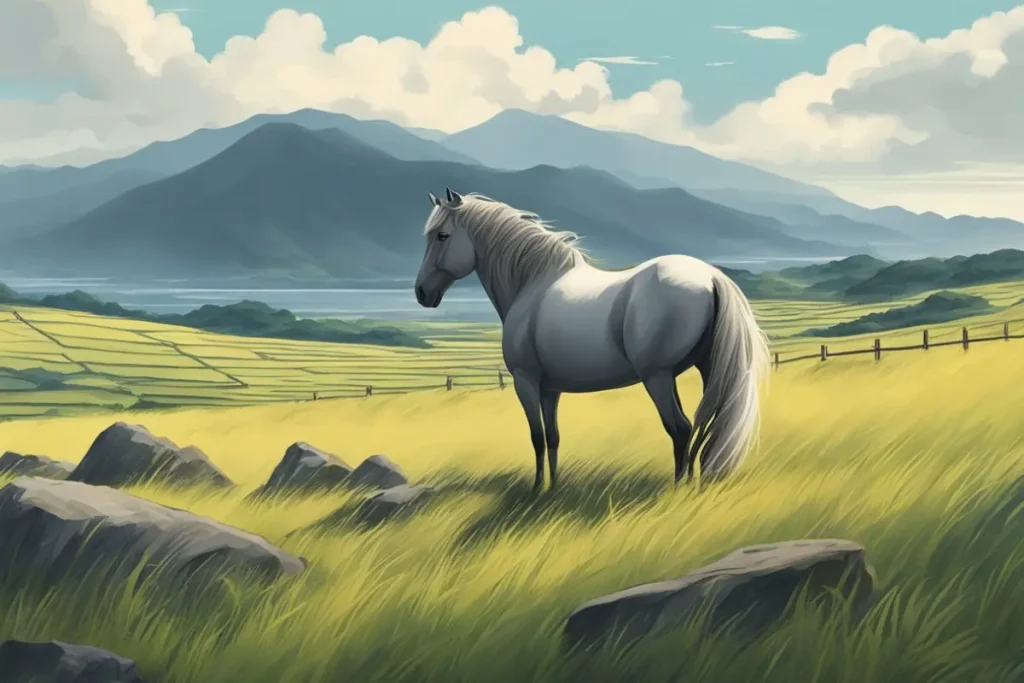
In “Ghost of Tsushima,” the horse plays a crucial role in storytelling. It serves not only as a mode of transport but also as a faithful companion to Jin Sakai, the protagonist.
The horse enhances the player’s connection to Jin’s journey. Players can choose their horse’s name and color, adding personal touches to the story. This choice reflects Jin’s bond with the horse and allows for a deeper emotional investment.
Throughout the game, the horse is a symbol of loyalty and resilience. It remains by Jin’s side during critical moments, reinforcing themes of partnership and trust. The presence of the horse in these narratives underlines Jin’s solitary mission to save his homeland.
The horse also aids in the exploration of Tsushima Island. Its ability to swiftly travel across diverse landscapes enhances the storytelling by unveiling new areas and stories gradually. This gradual discovery mirrors the unfolding narrative of Jin’s personal growth and battles.
By being integrated into key story elements, the horse is not just a vehicle. It becomes a vital character in its own right, shaping the narrative and enriching the overall game experience.
Gameplay Mechanics Involving the Horse
In Ghost of Tsushima, the horse plays a vital role in traveling across the vast landscape and offers strategic advantages in combat situations. Understanding these mechanics enhances the gaming experience by providing both practical benefits and immersive elements.
Travel and Exploration
The horse serves as Jin Sakai’s primary mode of travel across Tsushima. Riders can reach distant locations much faster than on foot, allowing for efficient exploration. Players can summon their horse at any time, making it easy to navigate from one quest to the next.
Traveling by horse also helps in discovering hidden locations or accessing hard-to-reach areas. Alongside quicker travel, the horse offers convenience by carrying Jin’s gear and supplies, freeing up his inventory.
Regular interaction with the horse builds a bond between Jin and his companion, which adds depth to the character’s journey on the island.
Combat and Strategy
While combat directly involving the horse is limited, the presence of the horse influences strategic decisions in battle scenarios. Players can position themselves advantageously before an encounter by using the horse to survey the battlefield from a distance.
In certain situations, they can use the horse to flee quickly if overwhelmed by enemies, providing a tactical retreat. Though direct combat from horseback is not featured, players can use tools like arrows while riding.
The horse’s maneuverability offers flexibility in planning and executing strategies, making it a crucial part of survival and success in the game.
Player’s Emotional Connection to the Horse
In Ghost of Tsushima, the relationship between Jin and his horse is significant. This bond is more than just functional—it’s emotional. Players can choose a name for the horse, creating a personal attachment from the outset. Throughout the game, the horse becomes a loyal companion, present in both calm and dangerous situations.
The game design emphasizes this connection by allowing the player to interact with their horse in meaningful ways. Although interactions might be limited, they still play a role in building the bond between Jin and the horse. For example, Jin can call the horse by its name, adding to the sense of companionship.
Players often feel a deeper emotional impact during key story moments involving the horse. A particular scene is especially memorable and hits hard for many. This scene has been crafted to make players feel the weight of the relationship they have developed with their trusty companion, even drawing comparisons to emotional moments in other games.
This bond helps convey the importance of friendship and loyalty throughout Jin’s journey. Unlike other allies in the game, the horse is a constant presence, seeing Jin through numerous adventures across the island of Tsushima. By giving players a chance to name and rely on the horse, the game fosters a sense of emotional investment in this crucial relationship.
References and Inspirations for the Horse Names
In Ghost of Tsushima, horse names hold special meaning and reflect cultural significance. Players choose between three names for their horse: Nobu, Sora, and Kage. These names are carefully selected to represent specific traits.
Nobu translates to trust or faith, embodying reliability and a strong bond. This name suggests a dependable companion for Jin’s journey.
Sora, meaning sky, symbolizes freedom and limitless potential. This name is ideal for those seeking a sense of adventure in their travels across Tsushima.
Kage means shadow, hinting at stealth and mystery. This name resonates with players who appreciate a more enigmatic presence.
The choice of name is tied to Jin Sakai’s cultural heritage and the spirit of samurai. Although the names do not impact gameplay, they enhance the narrative by adding personal touches to the player’s experience.
These names also reflect Japanese values, emphasizing loyalty, freedom, and subtlety, crucial traits for a warrior. Choosing one allows players to align Jin with the characteristics they find meaningful.
You can explore more about the horse name meanings, which provide deeper insight into Jin’s relationship with his steed. The horses in the game are not just transportation; they connect to the broader themes of loyalty and identity.
Frequently Asked Questions
In Ghost of Tsushima, players can personalize their experience by choosing horse names and colors. These choices add a unique touch to gameplay and character development.
What are the different names you can choose for your horse in Ghost of Tsushima?
In Ghost of Tsushima, players can pick from several horse names, such as Nobu, Sora, and Kage. Each name offers a bit of personalization but does not impact gameplay mechanics.
What does each horse name in Ghost of Tsushima signify?
Each horse name in the game represents a different meaning. Nobu stands for trust, Sora means sky, and Kage translates to shadow. These names provide a cultural and thematic touch to the player’s journey.
Can you obtain special horse skins or armor in Ghost of Tsushima?
While players can change horse colors, the game does not offer special horse skins or armor. The focus remains on the initial choice of colors and names, enhancing personal preference without affecting game progression.
Does the choice of horse color affect the gameplay in Ghost of Tsushima?
The choice of horse color, such as black, white, or brown, does not affect gameplay elements or stats. This selection is purely for visual preference and does not change how the horse functions in the game.
What happens to the protagonist’s horse during the storyline of Ghost of Tsushima?
Early in the story, Jin’s initial horse is tragically lost, forcing players to choose a new companion. This event is pivotal and adds emotional depth to the storyline, influencing Jin’s personal journey.
How can you select the best horse for your playstyle in Ghost of Tsushima?
Since all horses have identical attributes like stamina and speed, players should select a horse based on personal preference for name and color. The choice does not impact playstyle, focusing instead on aesthetic enjoyment.
FURHTER READING


