
Florida Cracker Horse Guide: History, Care, Training
When many horse fans think of American breeds, they often skip the Florida Cracker Horse. Yet its mastery of Florida’s swamps and scrublands is a specific trait often overlooked. This hardy horse remained vital to cowboys working tough terrain for centuries. How exactly did it develop such unique agility and resilience?
But digging into its background shows a blend of Spanish heritage, natural selection, and cowboy needs shaping the breed. By understanding this development, you get insights on training, care, and why it excels where others might struggle. This knowledge helps owners set realistic expectations and avoid surprises in performance and health.
Breed Origin and History
The Florida Cracker Horse traces its roots to the first Spanish explorers in the 1500s. Horses released or left behind near St. Augustine spread across the peninsula. Early ranchers, known as Crackers, relied on these agile animals to herd cattle over sandy soil and through wetlands. Over generations, the toughest individuals survived. Local needs drove selection for speed, sure-footedness, and endurance. By the 1800s, Cracker horses were prized for their adaptability on rough terrain.
In the early 1900s, railroads and cattle imports threatened the breed’s survival. Populations fell sharply as ranchers turned to larger drafts and stockier quarter horses. Preservation efforts began in the 1970s when a small group of enthusiasts formed registries. Today, active breed associations record pedigrees and promote genetic health. Practical Tip: If you plan to join a registry, review its stallion approval process and health testing guidelines. That step ensures you support registered lines and maintain the breed’s heritage.
Key Physical Characteristics
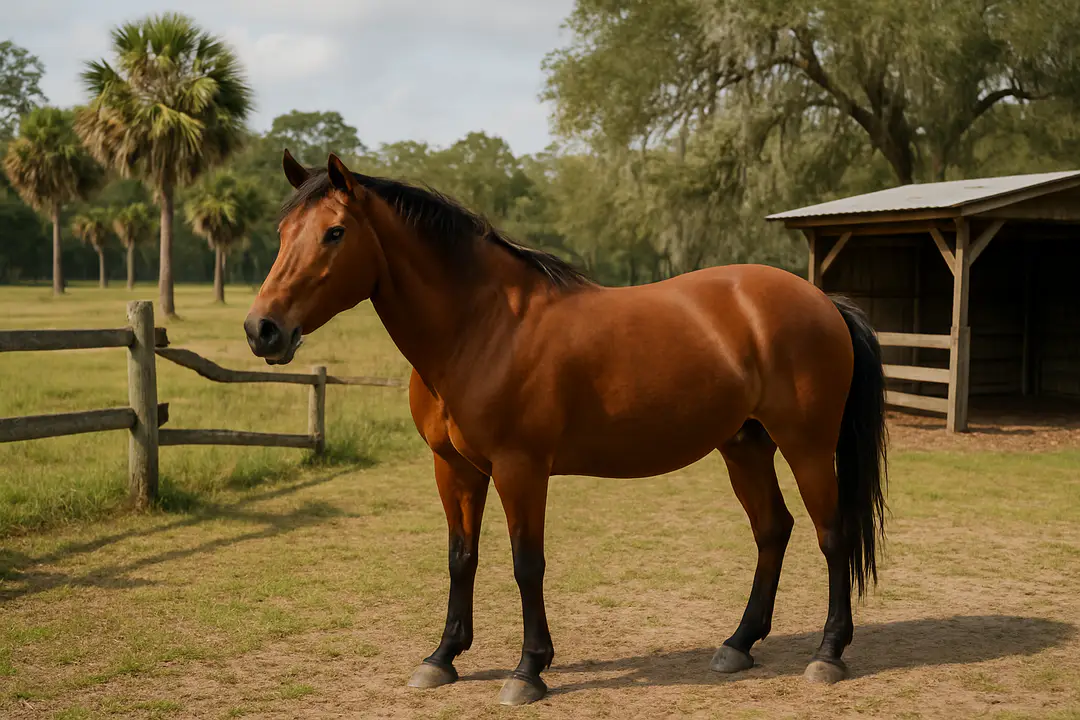
Florida Cracker Horses stand between 13 and 15 hands high. They usually weigh 800 to 1,000 pounds, with a lean, muscular build. A signature feature is the low-set neck and deep chest. Their legs are often short but strong, offering stability on sandy or muddy ground. Average coat colors include palomino, dun, blue roan, and buckskin. These patterns reflect Spanish ancestry and natural camouflage in wild settings.
- Height: 13-15 hands
- Coat Colors: Palomino, dun, buckskin, blue roan
- Build: Lean, well-muscled
- Hooves: Tough, sure-footed
- Stamina: Can cover 30+ miles a day
Practical Tip: When selecting a young horse, check hoof hardness. A firm hoof wall indicates good genetics for crumbly terrain. Also look for clean joints and a steady gaze, which often predict a sensible temperament.
Temperament and Behavior
Cracker horses earned a reputation for calm focus under pressure. They often display a bold, yet gentle nature. Ranch hands value their willingness and quick response to voice commands. When introduced carefully, most develop strong bonds with handlers. Early socialization with various people, equipment, and environments builds trust and reduces spookiness.
Working in teams or alone, they adapt quickly. Riders report that Cracker horses stay attentive for long hours and show resilience to heat and insects. However, like any breed, they need consistent positive reinforcement. Practical Tip: Use short, varied training sessions to keep their attention. Pair praise with light treats or scratches behind the ears. Over time, this approach nurtures a willing partner rather than a timid or anxious animal.
Training and Daily Use
Starting a Florida Cracker Horse often involves groundwork to establish respect and focus. Begin with halter training in a small pen. Introduce the lead rope, teaching the horse to yield to pressure. Next, add basic obstacles—tarps, poles, water crossings—to build confidence. Keep each session under 20 minutes to prevent fatigue and boredom.
Once mounted, riders should practice walk-trot transitions and gentle turns. Gradual exposure to cattle work or trail obstacles suits the breed’s heritage. They take well to cow sorting, wilderness riding, and light farm tasks. Practical Tip: Alternate calm flatwork days with fun trail rides. This mix maintains their physical fitness and mental engagement without overloading joints or morale.
Health and Care Guide
Florida Cracker Horses are generally hardy but still need regular care. A balanced diet, veterinary checks, and proper hoof care prevent common issues. Keep a consistent schedule for vaccinations and dental exams. Monitor body condition to adjust rations through seasons.
- Feeding: Offer 1.5-2% of body weight in forage daily with supplemental grains as needed
- Hoof Care: Schedule trims every 6-8 weeks
- Vaccination: Core shots in spring and fall
- Deworming: Rotate products every 8-10 weeks based on fecal egg counts
- Check-ups: Annual vet exam and dental float
Practical Tip: Record all care activities in a log. Note dates, products, and any reactions. This habit helps spot patterns, like seasonal colic or coat changes, well before they become serious.
Breed Comparison Chart
Seeing how the Florida Cracker Horse stacks up against other draft or stock breeds clarifies its niche. For detailed Percheron traits, see Percheron comparison. Below is a snapshot of key differences.
| Breed | Height | Best Terrain |
|---|---|---|
| Florida Cracker | 13-15 hands | Swamps, scrublands |
| Percheron | 16-17 hands | Fields, pulling |
| Clydesdale | 16-18 hands | Farmland, parades |
Practical Tip: Choose Florida Crackers for mixed ranch work or trail riding where quick footwork and stamina matter more than pure pulling power.
Naming and Community
Joining the Florida Cracker community means choosing a name that honors its heritage. You can find creative names inspired by Spanish roots and Florida landscapes.
- Gulf Breeze
- Palmetto Spirit
- Cracker Trail
- Bayou Whisper
- Cowboy’s Pride
- Sunset Runner
- Swamp Scout
- Sandy Pinto
Practical Tip: Check your registry’s naming rules before registering. Some associations limit name length or require unique spelling. Planning ahead saves administrative headaches later.
Conclusion
The Florida Cracker Horse stands as a testament to survival and adaptability. From its humble Spanish beginnings to modern preservation efforts, this breed offers unique advantages for ranch work, trail riding, and historical events. By understanding its history, traits, and care needs, owners can set realistic expectations and build lasting partnerships.
Whether you seek an agile working mount or aim to preserve a living piece of equine heritage, the Florida Cracker Horse rewards dedication. Start with proper training, consistent care routines, and community involvement. Your investment in knowledge and support of breed registries ensures these horses thrive for generations to come.