Royal Shire Horse Names Regal Ideas and Inspiration
Naming a horse is more than picking a label; it’s a nod to its character and history. For royal shire horse names, that weight feels even greater. Still, many focus on flow or flair and overlook the deeper ties to tradition and lineage. This gap can leave your horse’s title feeling hollow rather than memorable. Have you ever wondered how to honor heritage while keeping a name fresh?
It starts by understanding the roots of royal titles and the breed’s own story. When you tap into those layers, each name choice carries meaning. This insight helps you pick a title that matches your horse’s presence and legacy. You’ll avoid names that feel trendy but shallow. And you’ll choose a name that stands the test of time.
Understanding Royal Names
Royal shire horse names draw inspiration from centuries of tradition. A name can echo strength, grace, and heritage all at once. To tap into that legacy, trace back to the breed’s roots. Looking at shire horse lineage reveals ties to English nobility and grand estates. That heritage can guide your naming choices.
Start by choosing titles that feel dignified. Words like Baron, Duchess or Regent frame your horse in a royal light. You can pair these with nature terms or old English words. For example, “Duchess of Glenwood” blends rank and place. Shorter names often work best in daily use. A two-word name that rolls off the tongue is easy for training and calls.
As you brainstorm, jot down ideas and test them aloud. Say them in the barn while leading your horse around. Notice which options draw a reaction. This small test helps you spot names that match your horse’s vibe. Once you have a shortlist, narrow it to the top three. Then give each one a week of real use. The name that feels right in practice will stick naturally. By taking these steps, you ensure the name you choose truly honors your shire’s royal spirit.
Color and Markings
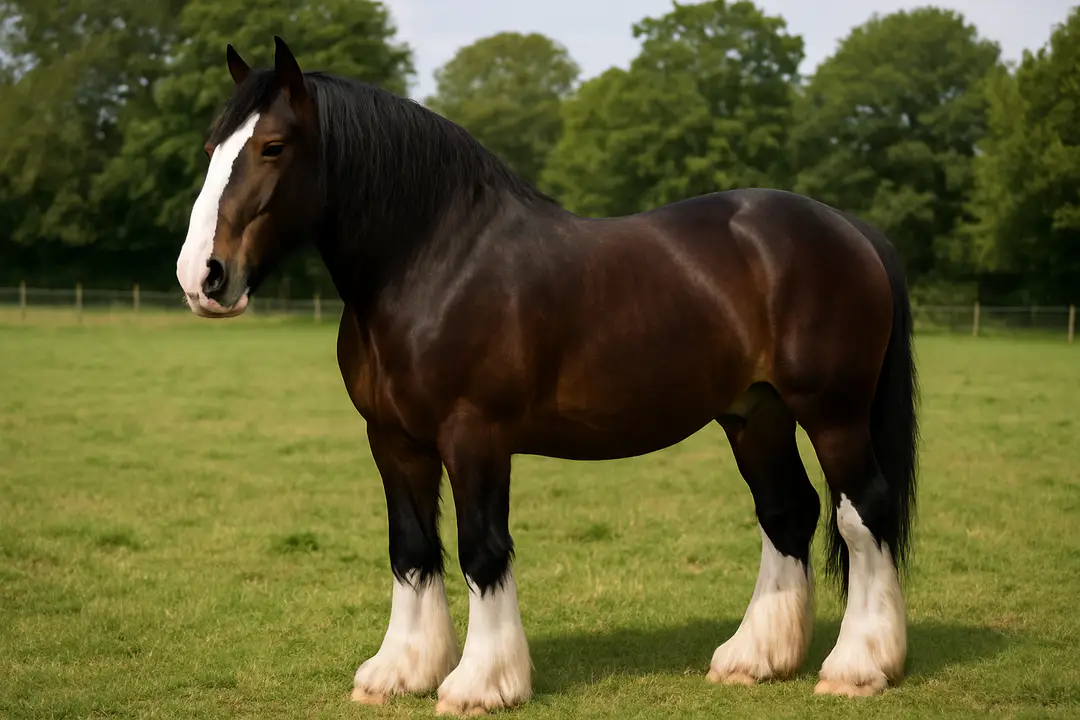
Shire horses come in shades from black to gray, and many have striking white markings. Tying a name to your horse’s coat unlocks a clear theme and visual link. When someone hears the name, they picture the horse before they even see it. Here are some regal options that draw from color and pattern:
- Ebony Earl – for a deep black coat
- Pearl Duchess – for snowy white markings
- Silver Viscount – for a silvery gray sheen
- Onyx Baroness – for rich, dark tones
- Marble Marquis – for piebald or roan mixes
- Ivory Knight – when white patches stand out
- Jet Sovereign – for glossy, jet-black coats
After picking a handful of names, practice calling each one. Watch for how it sounds against your horse’s coloring. A name that feels in sync with the coat often grows on you fast. Keep the list handy until one sticks.
Learning from Legends
History offers a wealth of naming inspiration. The biggest shire ever recorded was Sampson, renamed Mammoth in later years. He stood over 21 hands and weighed more than a ton. His sheer presence begs for a dramatic name. Another legendary animal, Goliath, carried its own weight in lore and muscle.
You can study historic champions and note their titles. Some bear names tied to castle estates or noble families. For example, a horse linked to Windsor might carry that place in its name. These examples show how location, owner and deeds all play a role.
When you pull from real examples, your name feels rooted in fact, not fiction. You might choose a structure like “Lord + Place” or “Lady + Trait.” Be mindful of overused combos and tweak them to fit your horse’s unique story. This step ensures authenticity and pays tribute to the breed’s giants.
Studying past champions also helps you avoid clichés. Knowing what has been overdone makes space for fresh takes. Use history as a guide, not a script.
Modern Naming Techniques
Today’s horse owners blend tradition with fresh ideas. You can combine royal titles with modern twists. Here are five techniques to spark creativity:
- Alliteration: Pair titles like “Prince Percy” or “Duchess Diana.”
- Compound Names: Merge two concepts, such as “Regal Spirit.”
- Foreign Flair: Use words from French (Roi) or Latin (Magnus).
- Pop Culture Nod: Reference a gentle king or queen from film or books.
- Abstract Royalty: Opt for terms like “Sovereign” or “Majesty.”
Beyond this list, think about syllable count. Names with two or three beats flow easily. Long, multi-word titles can sound grand but may feel clumsy in daily use. Try combining a one-syllable title with a two-syllable noun or adjective.
If you plan to show your shire, test your ideas at a dressage show or local event. Listening to your chosen name called over a speaker helps you gauge its impact. You’ll know when it hits the right tone and feels truly regal.
Common Pitfalls to Avoid
Even the best naming guides can lead to missteps. Here are practical tips to steer clear of common traps:
Names that are hard to spell or pronounce cause confusion in stables. Long names slow down calls at shows or clinics. Avoid overly trendy words that will age poorly. A name tied to a fleeting event loses meaning over time.
Check for existing famous horses with your top picks. Duplicate names weaken individuality and can lead to mix-ups. Scan online registers before you settle. If you see a dozen “Queen Victoria” shires, tweak your choice.
Steer clear of names with harsh consonant clusters that rough up the tongue. Soften them with vowels or swap in synonyms. For example, “Thornfield Duchess” could become “Thornfield Lady.”
Lastly, get feedback. Share your shortlist with a friend or trainer. They’ll tell you if a name feels clunky or brilliant in practice. Adjust until it sounds just right in conversation.
Personalizing Your Choice
Once you have a shortlist, put each name to the test. Follow these steps to pick the perfect royal title:
- Observe daily behavior and note traits like calmness or energy.
- Match one key trait to a royal title—for example, calmness to “Countess.”
- Speak the name while handling your horse: at feeding, grooming, or walking.
- Record how your horse reacts—some respond better to sharp sounds, others to soft tones.
- Ask a friend to call each name at a short distance and note clarity.
- Choose the name that feels natural for both of you in everyday use.
This method ensures your horse’s title fits its personality and bond with you. A name that sounds good on paper but feels off in practice should be set aside. By the end of this process, you’ll have a title that’s regal, personal, and lasting.
Conclusion
Choosing royal shire horse names is a creative journey that links past and present. You begin by exploring history and asking the right questions. Then you play with color themes, study legends, and test modern twists. Along the way, you steer clear of pitfalls and lean into your horse’s unique vibe. Each step brings you closer to a name that feels authentic and memorable.
When you merge tradition with personal insight, the name you pick becomes more than a tag. It honors a lineage of grand working horses, acknowledges your horse’s character, and stands up to daily use. Your shire horse will carry its title with pride, and you’ll feel confident every time you call it. Embrace the process, trust your instincts, and let the perfect royal name reveal itself.