Can Shire Horses Jump? Understanding Their Abilities
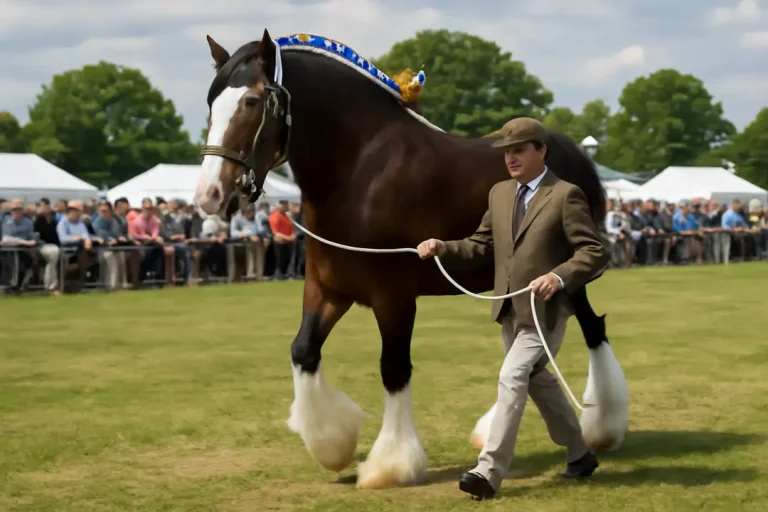
We often admire Shire horses for their strength, calm nature, and history on farms and in shows. Yet, one aspect that doesn’t get much attention is their ability—or hesitance—to clear a fence or obstacle. Given their massive size and unique build, many owners and enthusiasts wonder about their jumping potential. How high can a Shire horse jump without risking injury?
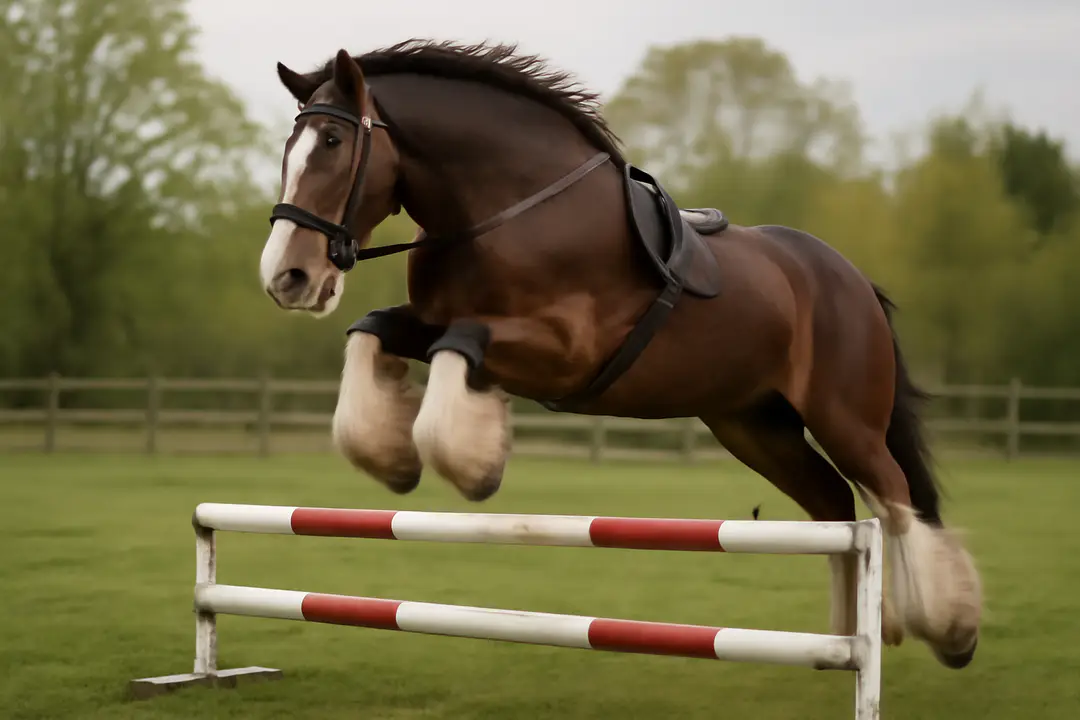
The good news is that, while Shires aren’t natural show jumpers like warmbloods, they can learn to clear modest fences with the right training and care. Understanding the factors that influence their jump ability—like anatomy, conditioning, and footing—helps you set realistic goals. It also prevents unwanted surprises at your next clinic or trail ride and ensures your gentle giant stays safe and confident.
Movement and Agility
Shire horses move with a deliberate, heavy step that reflects their draft heritage. Their broad shoulders and strong hindquarters give them power to push forward, which is a must for any jumping activity. You won’t see a Shire pinning its ears and sprinting to a jump like an agile sport horse, but careful conditioning can bring out surprising nimbleness.
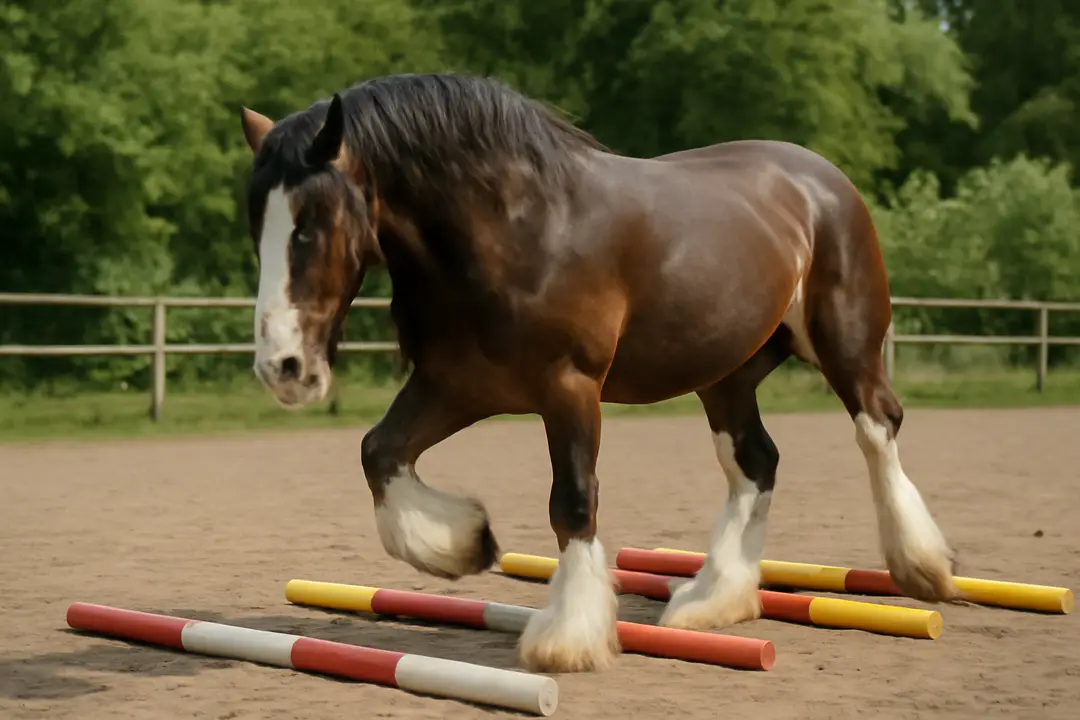
Start with groundwork that encourages lift and balance—trot poles and cavaletti placed on gentle curves teach the horse to raise its legs. Incorporate transitions between walk, trot, and canter to build coordination. A consistent stretching routine, along with regular grooming, also keeps muscles supple and joints healthy. A detailed care guide highlights hoof trimming, massage, and turnout tips that support overall agility.
Practical tip: Limit new exercises to 10–15 minutes for the first few weeks. Watch for fatigue signs—a dull look in the eyes or stumbling indicates it’s time to slow down. Gradual progress, rather than sudden demands, will keep your Shire confident and willing.
Anatomy and Jumping
Shires stand between 17 and 19 hands high and weigh 1,800 to 2,400 pounds. Their size creates both advantages and challenges when it comes to clearing obstacles. Strong bones and broad hooves provide a solid base for takeoff, but excess weight can tax joints and muscles if workloads are too intense.
Key anatomical factors for jumping include hindquarter strength and back flexibility. A well-developed hind end acts like a powerful spring, while a supple back allows the horse to round and lift its front end. Exercises such as hill work and low gymnastic grids build these areas safely.
Tip: Monitor your Shire’s weight carefully. Extra pounds add strain and reduce willingness to jump. A balanced diet with quality hay, moderate grain, and appropriate supplements supports muscle development without unnecessary weight gain.
Training Advice
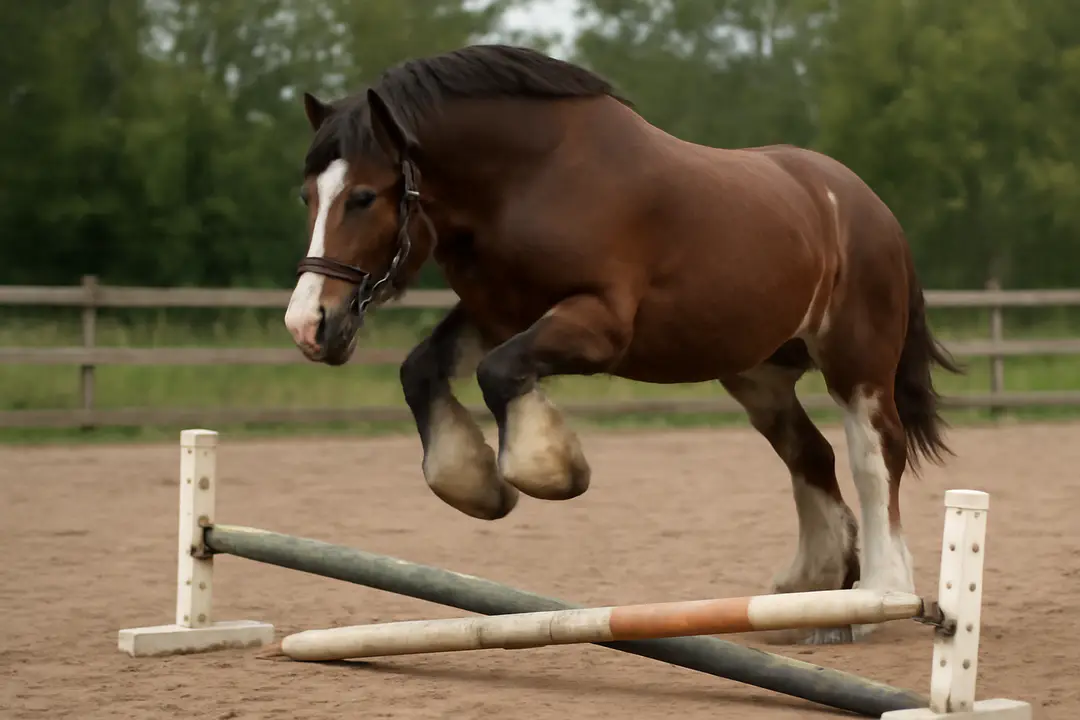
Introducing a Shire to jumping requires patience. Begin with ground poles set at 6–12 inches. Lead your horse over them on a loose rein to build confidence in lifting its legs. As comfort grows, raise poles into small cross-rails at 1–2 feet.
Next, set up a simple gymnastic grid: a series of poles with one or two jumps spaced at shoulder-width. Start at trot, then progress to canter only when your horse maintains rhythm and straightness. Reward each successful effort with praise and a short break.
- Warm-up: 10 minutes of walk-trot transitions
- Ground poles: 5–7 repetitions
- Cross-rails: 3–5 jumps
- Grid work: 2–4 strides through poles
Always finish with a cool-down of walking and gentle stretching. Consistency matters more than height. For further training advice, focus on short sessions several times a week.
Jump Height Data
While Shires won’t rival sport horse jump heights, here’s what owners commonly report:
| Horse Type | Avg. Jump Height | Notes |
|---|---|---|
| Untrained Shire | Up to 1 ft (30 cm) | Intro to poles and rails |
| Conditioned Shire | 1.5–2 ft (45–60 cm) | Small cross-rails safely |
| Experienced Draft | 2.5 ft (75 cm) | Rare and careful training |
These numbers vary by individual build, age, and training. Observe your horse and adjust as needed.
Breed Comparison
Compared with other draft breeds, Shires often show a blend of strength and a gently inquisitive nature. Here’s a quick overview:
| Breed | Max Practical Jump | Temperament |
|---|---|---|
| Shire | 2 ft (60 cm) | Calm, patient learner |
| Clydesdale | 1.5 ft (45 cm) | Gentle, slightly wary |
| Percheron | 2 ft (60 cm) | Bold, energetic |
| Warmblood | 4–5 ft (120–150 cm) | Athletic, reactive |
Use this comparison to set realistic goals. Draft breeds need tailored approaches versus sport-specific horses.
Safety and Tips
Safety should drive every step of your jumping program. Choose level ground with good drainage. Soft, yet firm footing reduces joint stress. Avoid deep or slushy arenas.
Proper tack makes a difference. A well-fitted jumping saddle distributes pressure evenly. Consider protective boots for legs, especially if your Shire is prone to brushing its own cannon bones. Always check equipment before mounting.
Regular veterinary and farrier visits keep limbs sound. A draft’s heavy frame needs balanced trimming every 4–6 weeks. Plan your investment planning around these essentials to avoid last-minute surprises.
Tip: End every session on a positive note. Even one small jump or ground pole success boosts confidence and reinforces good habits.
Conclusion
Shire horses aren’t built for Grand Prix stadium courses, but with careful training and respect for their size, they can comfortably clear low fences. Their broad hindquarters and patient nature make them willing partners if you build strength, flexibility, and trust over time.
Remember to start slow, prioritize safety, and pay attention to your horse’s feedback. Use targeted exercises, monitor weight, and keep a consistent schedule. Whether it’s a small farm obstacle or a friendly local clinic, knowing what a Shire can achieve allows you to set realistic goals and enjoy every step of the journey.
By understanding anatomy, following structured training, and maintaining proper care, you’ll prevent surprises and help your gentle giant succeed. So go ahead—approach that first rail with confidence. Your Shire may surprise you.