Shire Horse Pulling Competitions: Strength in Tradition
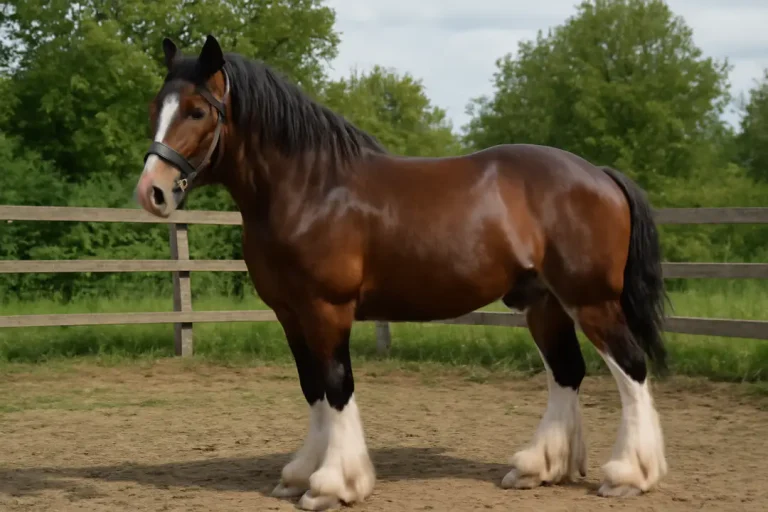
Watching Shire horse pulling competitions is a delightful way to see power and grace work together in perfect harmony. Yet, one often overlooked aspect is how much effort goes into preparing the ground and setting up safe courses for these gentle giants. Who hasn’t wondered whether the footing can make or break a performance before the horses even start pulling?
Good footing and course setup are key to both horse safety and winning performance. Understanding soil type, moisture levels, and traction needs means fewer slips and stronger pulls. By focusing on these details, event organizers and competitors alike can avoid surprises, keep horses healthy, and boost overall competition quality.
History and Traditions
Shire horse pulling contests trace their roots to medieval England, where draft horses helped farmers move heavy loads. Over time, friendly worksite challenges became events, pitting teams of four or six horses against weighted sleds to see who could pull the most.
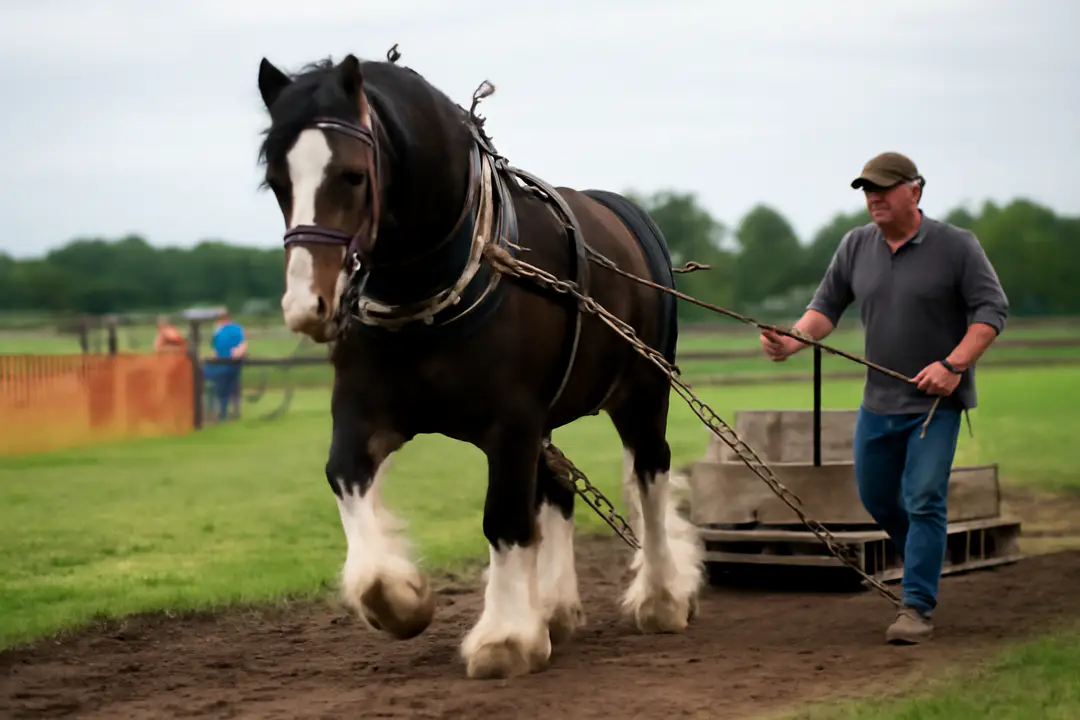
When Shires were brought to North America in the 19th century, farm festivals added horse pulls as crowd-pleasers. The tradition spread to county fairs and antique farming shows, where locals still cheer as huge collars and leather harnesses rattle down the track.
Modern competitions offer standard classes by total weight: light, medium, and heavy divisions. Judges look at steady pace, smooth starts, and clean finishes. Practical tip: if you’re planning to attend your first pull, check the rulebook ahead for weight class limits and harness requirements. You’ll enjoy the event more when you know exactly what each team is aiming to achieve.
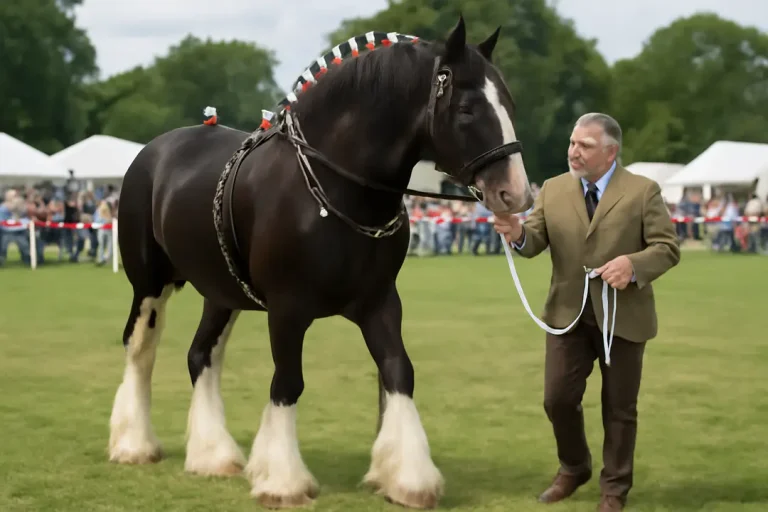
Beyond sport, these shows preserve heritage crafts like harness making and farriery. Blacksmiths set up booths nearby, and veterans share tales of farm life and team driving. Attending a Shire horse pull means stepping into a living museum of rural tradition—and feeling the ground shake under 2,000 pounds of horse power.
Training and Conditioning
Conditioning a Shire for pulling starts with basic groundwork and builds over months. Horses learn to respond to voice and rein cues before any weight is added. Daily stretches and short harness sessions help develop muscle and confidence.
Trainers typically begin with light sleds or weighted barrels. They increase load by 10–15% each week, watching for strain. Rest days are just as important: muscles recover, joints stay healthy, and the horse remains eager to work.
Proper nutrition fuels this process. A balanced diet includes quality hay, grains, and supplemental minerals. Following a feeding routine ensures your horse has energy and rebuilds muscle after workouts.
Always inspect harness fit before a session. Ill-fitting collars can rub and create sores. Use harness pads or adjust straps to distribute pressure evenly across the shoulder. Practical tip: carry spare padding and extra leather conditioner in your tack box to handle minor repairs on the go.
Competition Gear Essentials
Having the right equipment can make the difference between a safe pull and a costly accident. Start with a well-fitted collar, check the metal parts for cracks, and oil moving joints. Regular maintenance tips help extend harness life and keep hardware strong.
Leather or synthetic lines must be free of frays. Always test control lines under tension before hitching. A spare set of lines in your trailer can save a disappointed day when wear shows itself at the worst moment.
Wheeled carts and sled runners benefit from smooth bearings and solid welds. Some competitors add rubber grips to cart posts for better start traction. A portable grease gun and basic tool kit in the stall aisle can solve small issues quickly.
Don’t overlook protective leg wraps and boots. They shield limbs from brush and help avoid scrapes on rocky grounds. In wet or muddy conditions, pick boots with neoprene lining to keep the hoof area dry and secure.
Event Day Logistics
Preparing for competition day involves more than grooming your team. Plan these steps the night before to stay calm and organized:
- Inspect the course early: note wet spots or hard ground.
- Warm up horses with light lunging and slow harness drags.
- Check water and feed buckets; keep them topped until competition.
- Re-seat collars and adjust hames just before hitching.
- Review pull order and allotted time slots to avoid delays.
- Have cool-down supplies ready: towels, fans, and electrolytes.
- Meet with officials to confirm weight verification and safety checks.
Arrive at least an hour before your scheduled pull to acclimate horses and handle any equipment tweaks. Practical tip: pack extra hay nets and a ground tarp to keep harness and feed clean during breaks.
Performance and Records
Over the years, Shires have amazed crowds with record-setting pulls. Comparing the top weights helps teams set goals and track progress. Below is a snapshot of legendary pulls:
| Horse Name | Weight Pulled | Year |
|---|---|---|
| Bessie’s Pride | 15,000 lbs | 2018 |
| Regal Samson | 14,200 lbs | 2020 |
| Luna’s Legacy | 13,800 lbs | 2022 |
These numbers illustrate just how much strength a well-trained Shire can deliver. For deeper insight into each team’s pulling capacity, study their training schedules, course conditions, and tack choices. Noting these details can help your team inch closer to the next milestone.
Meaningful Community Impact
Beyond competition, these events foster bonds among horse lovers and preserve a unique heritage. Volunteers of all ages help with harness fitting, track setup, and horse care. Fairs often invite local blacksmiths and carriage makers to display skills, building a bridge between past and present trades.
Educational demos teach children how to groom, feed, and handle draft horses. Schools sometimes partner with fairs to offer credit for hands-on agriculture courses. This exposure helps ensure the next generation values these gentle giants.
For small towns, hosting a horse pull boosts tourism and creates local pride. Vendors selling crafts, food, and equine gear benefit from higher foot traffic. Practical tip: if you’re organizing a pull, partner with schools and community centers early to secure volunteers and sponsors.
Final Thoughts
Shire horse pulling competitions blend tradition, skill, and community spirit into a single event. From history-rich beginnings to modern record-setting feats, these contests showcase the power of careful training, thoughtful gear choice, and solid footing.
Whether you’re a seasoned driver or a curious newcomer, focusing on key details—ground prep, conditioning, and equipment care—will make your experience safer and more rewarding. Embrace the legacy of these magnificent draft horses, and you’ll carry that heritage forward.
Next time you attend or enter a pull, remember that every element, from the soil beneath the hooves to the harness on their shoulders, plays a vital role. Plan thoughtfully, train consistently, and celebrate community ties. In doing so, you honor the past and help these gentle giants thrive for years to come.