Shire Horse for Riding: Gentle Giants Guide & Tips
When you think of big, gentle giants, Shire horses often come to mind for riders seeking a unique partnership. These draft horses are known for their calm nature and impressive size, but many riders overlook how their slow gait affects riding rhythm. Have you wondered how that steady pace can change your experience in the saddle?
Understanding the Shire’s movement style can help you adjust your riding technique and tack choices for better balance and comfort. By tuning into their rhythm, you’ll improve communication, reduce fatigue, and get the most out of every ride.
Breed Characteristics
Shire horses stand out with heights around 17 to 18 hands and weights between 1,800 and 2,200 pounds. Their strong build comes from centuries of pulling heavy loads on English farms. Riders appreciate their calm and gentle temperaments, which make them steady partners in the saddle.
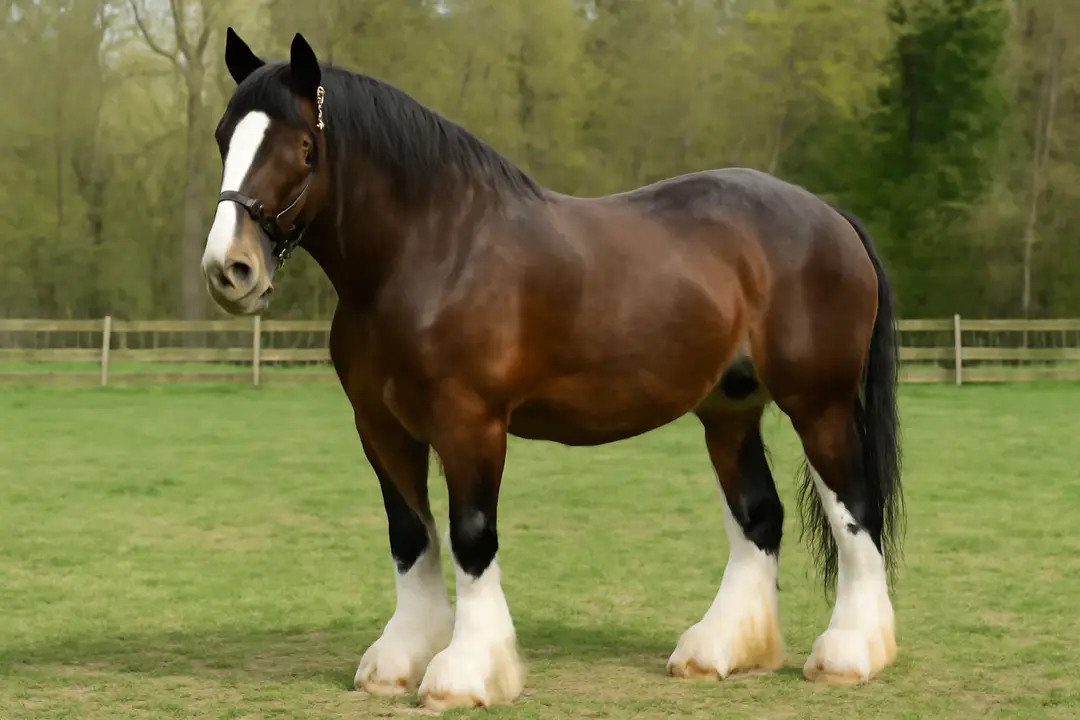
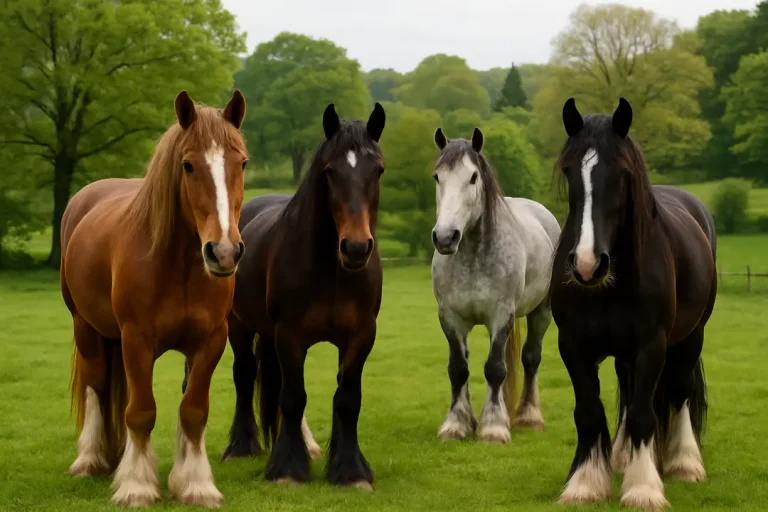
These horses often have feathered legs and large hooves that support their mass. Coat colors range from bay to black, with some roans and greys. Their history traces back to medieval England, where they hauled war wagons and plowed fields. For more on the breed’s roots, you can explore the history of the breed to see how their traits evolved.
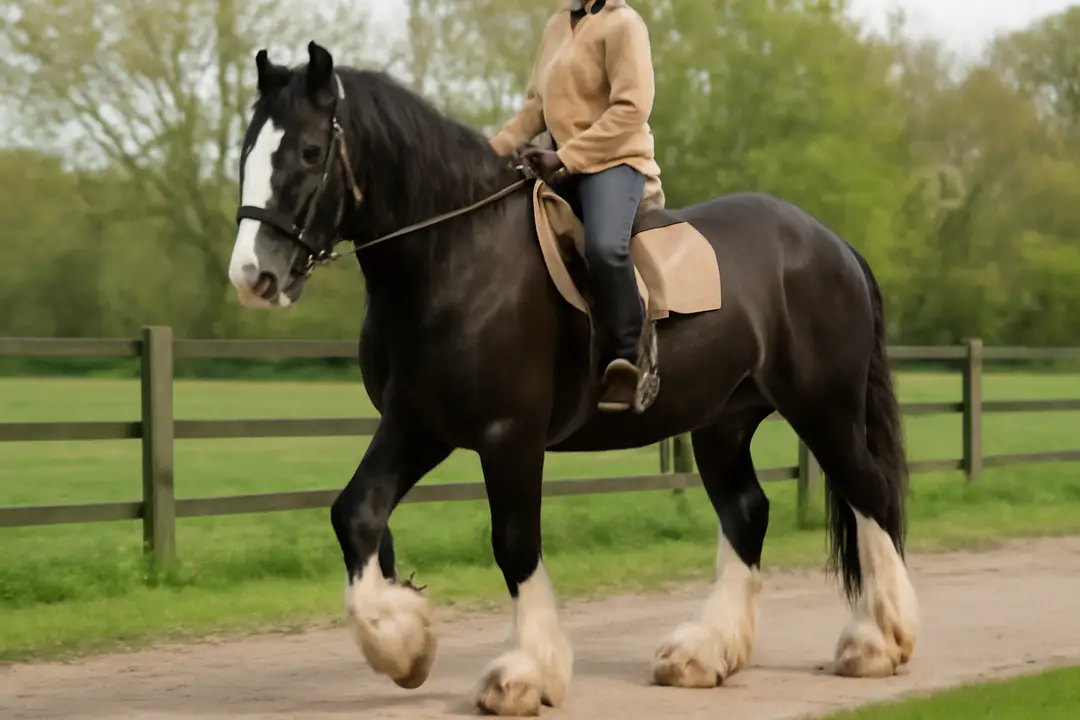
Practical tip: Measure your saddle’s support area. Shires need pads that distribute weight well. Also, watch their stride—those long legs mean a slower but powerful trot. Adjust your posting rhythm to match their pace for a smoother ride.
Training Techniques
Training a Shire for riding starts with groundwork. Build trust through gentle lunging sessions and basic voice commands. Their size can be daunting at first, but a patient approach wins their confidence.
Begin under saddle with short walks. Add trot work once they are steady. Introduce voice and rein cues gradually. Use positive reinforcement—treats and praise work wonders. Keep sessions brief; these horses tire mentally faster than smaller breeds.
Tip: Practice transitions between walk and halt to sharpen responsiveness. A Shire’s slow gait takes time to adjust, so ride in quiet arenas to minimize distractions. Consistency over long sessions beats intensity, especially when teaching new maneuvers.
Riding Gear Essentials
Choosing the right tack makes riding a Shire more comfortable for both horse and rider. A few sturdy essentials go a long way:
- Wide draft horse saddle or endurance pad
- Heavy-duty girth with elastic panels
- Comfortable stirrups that support your balance
- Well-fitted bridle with a padded noseband
- Shock-absorbing saddle pad for extra cushion
Look for saddles designed to spread the rider’s weight over a larger area. That prevents pressure points on the broad back. Use girths that give some stretch—this helps with the deep barrel of a draft horse. Quality stirrups that match your foot size keep you secure during the slower trot.
Gear tip: Check pad fit weekly. Feathers and hair can trap dirt, causing irritation. Clean under the saddle and pad after each ride to keep your Shire happy and sound.
Health and Nutrition
Feeding a Shire for riding work means balancing calories and fiber. These horses need about 2 to 2.5% of their body weight in forage daily. For a 2,000-pound horse, that’s 40 to 50 pounds of hay or pasture.

Introduce concentrates like oats or commercial mixes if you increase riding time. Monitor body condition—Shires can gain weight easily when idle. A basic vitamin-mineral supplement keeps their coat healthy and joints strong.
Daily care guidelines recommend checking hooves every day and grooming feathers to prevent mud fever. Link to care guidelines shows step-by-step routines for bathing, feather cleaning, and hoof trimming. Regular vet checks and dental exams are crucial; their big mouths need proper maintenance too.
Practical tip: Schedule feeding 1.5 hours before riding to avoid digestive upset. Also, carry a small water bucket for turnout—drinking before and after work helps regulate their temperature and digestion.
Shire vs Other Drafts
| Trait | Shire | Percheron | Clydesdale |
|---|---|---|---|
| Height | 17–18 hands | 16–17 hands | 16–17.2 hands |
| Weight | 1,800–2,200 lbs | 1,800–2,000 lbs | 1,600–2,000 lbs |
| Temperament | Calm | Alert | Gentle |
| Gait | Slow, steady | Brisk | Floating |
While all three breeds have draft origins, the Shire is known for its unmatched calm and straight-forward nature. You can see a detailed draft horse comparison to learn how each breed’s strengths match different riding goals. For riders seeking a relaxed, reliable mount, the Shire’s slower pace and trusting attitude stand out.
Ideal Environment Space
Shires thrive with room to move. Plan for a stable stall at least 14 by 14 feet. This gives them space to lie down and turn easily.
Pasture fencing should be sturdy—wood or high-tensile wire works. Keep fence rails high enough to avoid accidental hoof catches. Design paths with soft footing; their big hooves need good shock absorption.
Turnout time is key. Aim for at least four hours daily in a safe paddock. Social interaction with other horses helps their mental health. Shelter from wind and sun keeps them comfortable in all seasons.
Tip: Inspect turnout areas weekly for holes or debris. Large breeds can damage weak fences. A clean, spacious environment reduces injury risk and supports healthy movement.
Conclusion
Riding a Shire horse is a rewarding experience that combines power, calm, and connection. By focusing on their unique movement, choosing the right tack, and tailoring training to their pace, you set both you and your horse up for success. Proper care and the right environment keep your gentle giant happy and ready to carry you further.
Whether you’re a seasoned rider or new to draft breeds, understanding these giants’ needs helps you make smarter decisions. Next time you mount a Shire, remember to adjust your rhythm, gear up wisely, and cherish their steady stride. You’ll find that a strong partnership starts with knowing exactly what makes these majestic horses tick.