Shire Horse Hoof Size Essentials and Maintenance Guide
Every Shire horse owner knows these gentle giants rely on strong, healthy hooves to carry their weight gracefully. Yet we often focus on feeding schedules, grooming routines, or training tips and overlook one crucial aspect: the actual size of their hooves. Have you ever wondered just how big a Shire horse’s hooves really grow and why it matters?
It turns out that understanding the typical Shire horse hoof size can save you from unexpected trimming issues, lameness risks, and costly farrier visits. By learning average dimensions and how those measurements affect balance and movement, you’ll make better care decisions. Let’s explore the numbers and benefit from fewer surprises down the road.
Hoof Anatomy Basics
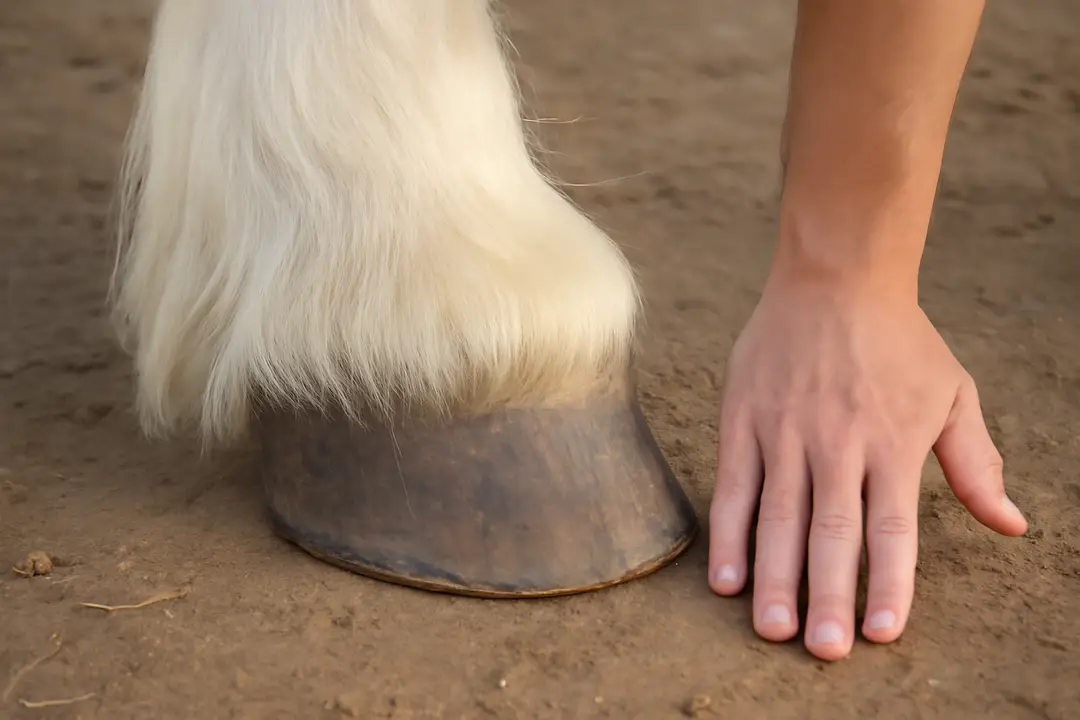
Shire horse hooves have several key parts: the wall, sole, frog, and bars. The wall is the visible outer layer. It bears most of the horse’s weight and shows signs of wear and tear. The sole covers the bottom and protects inner tissues.
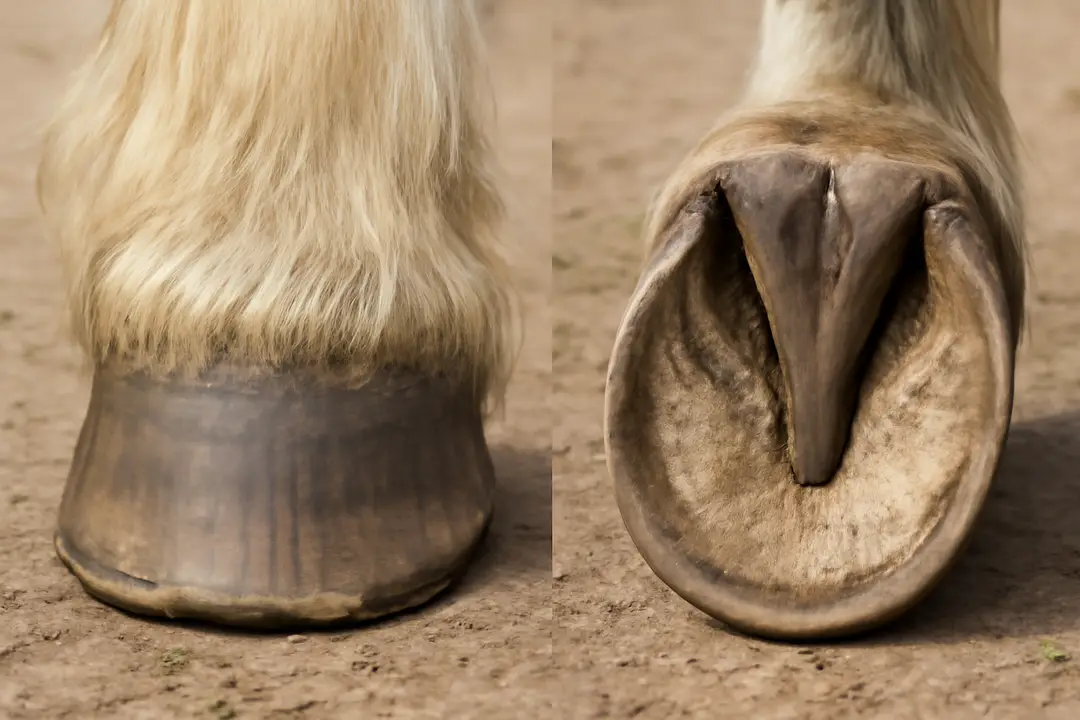
The central V-shaped frog helps with shock absorption and circulation. The bars are extensions of the wall that reinforce the heel area. Behind these structures are sensitive laminae that connect the hoof to the coffin bone. Knowing these parts boosts your ability to spot problems early.
Since Shire horses weigh up to 2,400 pounds, their hoof anatomy adapts by being thicker and wider than lighter breeds. When considering their overall size, hoof proportions are key to balance and stride. A deeper frog and broader sole help distribute heavy loads across more surface area.
Practical tip: Inspect the wall daily for chips or cracks. A healthy frog should be firm, not soft or foul-smelling. Learning the anatomy means you’ll spot a bruise or thrush before it worsens.
Understanding these basic hoof parts sets the stage for accurate measurement and care, so let’s measure those Hoof dimensions next.
Measuring Your Hooves
Accurate measurements guide trimming schedules and shoeing decisions. You’ll need a hoof gauge, a flexible tape, and a flat level surface. Follow these steps:
- Clean the hoof thoroughly with a brush to remove dirt.
- Place the hoof on a flat board or surface.
- Use the flexible tape to measure across the widest part of the hoof wall.
- Record the measurement in inches or centimeters.
- Measure the height from heel to toe using the hoof gauge.
Typical Shire hooves measure 7 to 9 inches (18–23 cm) wide and about 2 to 3 inches (5–8 cm) tall at their highest point. These numbers vary by individual, age, and workload.
When you track measurements monthly, you’ll notice growth rates of around 1⁄4 to 3⁄8 of an inch per month. This information helps you plan regular trims every 6–8 weeks. If growth exceeds the norm, you might be overfeeding or need more turnout time to wear the hoof naturally.
Pro tip: Chart your measurements in a simple spreadsheet. A visual graph tells you at a glance if growth is too fast or slow and when to call your farrier.
Movement and Stability
Hoof size isn’t just a static measurement; it directly affects a Shire horse’s gait and stability. Wider hooves provide a bigger contact patch with the ground, improving traction. This is vital when pulling carts or working on soft fields.
A hoof that’s too narrow for the horse’s weight can lead to overloading the wall and laminae. You might see uneven wear on one side, a shortened stride, or even stumbling. Conversely, excessively wide hooves can pinch the sole if not trimmed correctly, causing soreness.
Given their draft heritage, Shires need balanced hooves to move freely. Proper hoof size promotes better blood flow and reduces strain on fetlocks and joints. When a hoof hits the ground squarely, shock disperses evenly, safeguarding bones and tendons.
Tip: Watch your horse walk on a hard surface. Both hooves should land flat. If one toe strikes first or heels splay out, an adjustment in trimming or shoeing is likely needed. Consulting your farrier with video clips can speed up correction and keep your Shire moving soundly.
Next, we’ll dive into farrier care to maintain these healthy movement patterns.
Farrier Care Tips
Regular farrier visits prevent hoof problems and keep your Shire moving smoothly. Plan trims every 6–8 weeks, adjusting based on your monthly measurements. Consistency is key: don’t wait for cracks to appear.
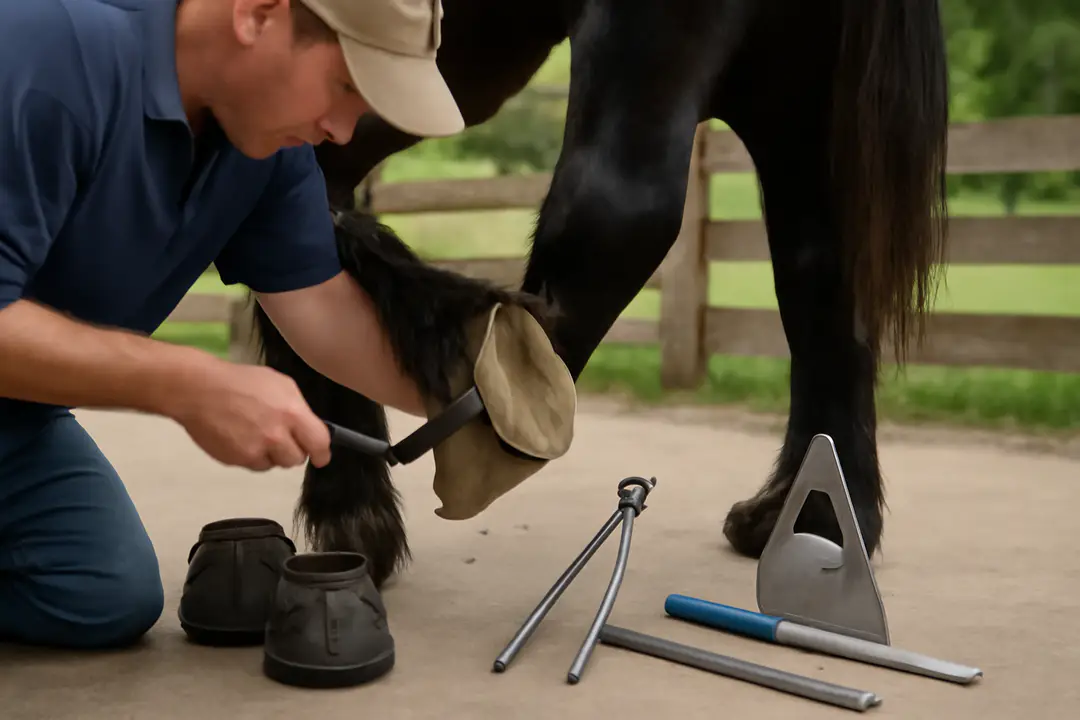
Here are some essential farrier tools and practices:
- Hoof pick for daily cleaning.
- Nippers and rasps for trimming and shaping.
- Hoof gauge to check angles and balance.
- Hoof boots for extra protection during turnout.
Work closely with a farrier experienced in draft horses. Shires require slightly different trimming angles than lighter breeds—around 50 to 55 degrees at the front hoof. This angle supports their heavy frames and encourages proper break-over.
Good communication helps. Share your measurement charts and any movement observations. If you notice persistent chipping or flaring, your farrier can adjust trimming depth or recommend shoeing. Some Shire owners prefer full shoes; others use half pads for extra sole protection.
Practical tip: Between visits, maintain hoof moisture. In dry seasons apply a hoof conditioner weekly to prevent cracking. In wet seasons, use a drying agent or thrush treatment if moisture lingers in the frog.
Seasonal Hoof Maintenance
Hoof care changes with the seasons. In dry summer months, hooves can become brittle. Apply a moisturizing conditioner to the wall and sole weekly. Offer more turnout on varied surfaces so natural wear keeps up with growth.
In wetter seasons, hooves often soften and pick up bacterial infections like thrush. Clean hooves daily with a firm brush and apply a drying agent under the frog. Ensure stalls have dry bedding and turnout areas drain well.
Monitor hoof size closely when seasons shift. Growth rates can slow in winter due to reduced blood flow. Adjust trimming schedules to avoid over-trimming or leaving heels too long. Consistency in routine matters most.
Integrate your daily care routine with hoof checks. Making hoof inspection part of grooming saves you time and catches issues early. Always wipe away mud and debris before turning out.
Tip: Keep a small first aid kit near your grooming area, including antiseptic spray, hoof packing, and a hoof pick, so you can address problems immediately.
Signs of Hoof Issues
Early detection of hoof problems prevents costly treatments. Watch for these red flags:
- Cracks along the hoof wall.
- Foul odor or black discharge in the frog area.
- Lameness, favoring one leg.
- Heat in the hoof capsule or coronary band.
- Uneven hoof wear patterns.
If your Shire shows any of these signs, isolate the hoof and clean it gently. Examine the sole and frog for stones or abscesses. Sometimes a small nail hole or bruise causes significant pain.
Document changes in you measurement chart and movement observations. A video of the horse walking can help your farrier or veterinarian pinpoint the problem faster and prescribe the right treatment.
Practical tip: Invest in a hoof tester tool. It applies gentle pressure in specific areas to locate pain points. This quick check helps you know when to call a professional versus when to treat at home.
Prompt, informed action stops small issues from growing into career-ending injuries.
Conclusion
Hoof health starts with knowing exactly how large your Shire’s hooves should be and why those dimensions matter. From anatomy and measurement to year-round maintenance and spotting early warning signs, every owner plays a key role in keeping these gentle giants sound. Regular farrier visits guided by your own detailed records help you stay ahead of growth spikes or wear patterns.
Adopt simple routines: chart size changes, inspect daily, and adjust care based on seasons. Lean on experienced farriers and use the right tools for trimming and protection. When you understand Shire horse hoof size and its impact on movement, you build confidence in every step your horse takes.
Take these insights, apply them consistently, and enjoy fewer surprises—just healthier, happier Shire horses ready for work, turnout, or gentle trail rides.