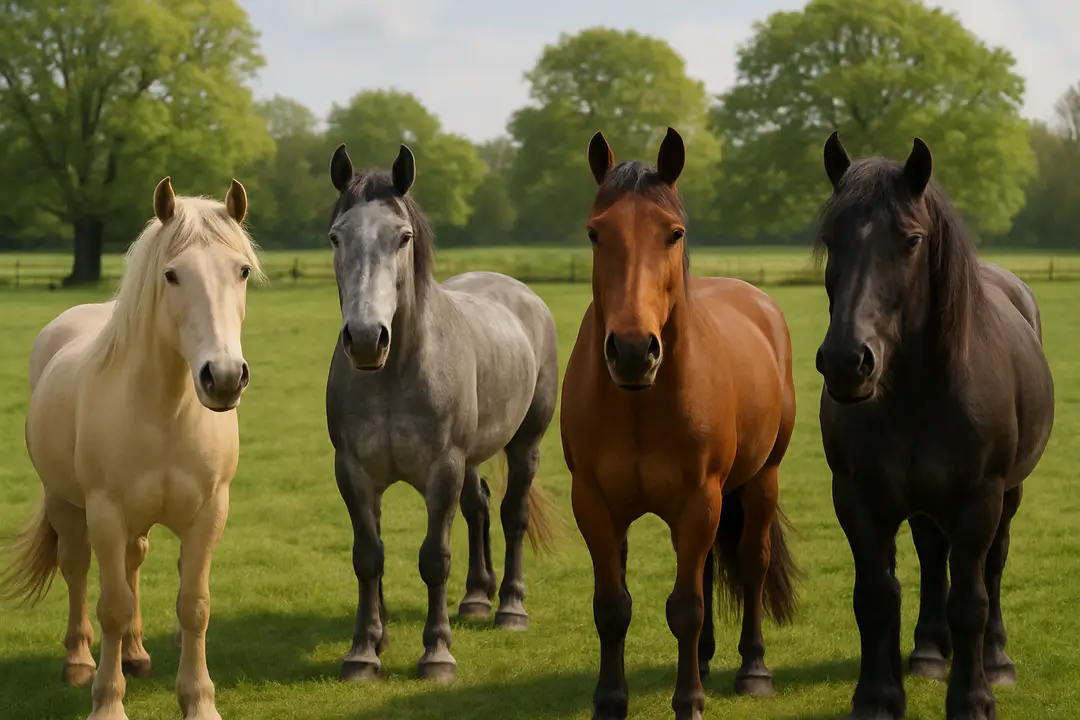
Old English Horse Names: Timeless Choices & Origins
Names have power, especially when you’re naming a horse that will be a partner for years. Picking the right label can shape your bond and tap into history. Yet many riders overlook a rich trove of old English horse names that carry deep roots and unique charm. How can exploring these centuries-old names add character and meaning to your horse’s identity?
Digging into old English names reveals patterns and stories behind each choice. Knowing the origin of a name can guide you toward one that fits your horse’s personality or background. When you understand these naming customs, you’ll make a thoughtful pick that honors tradition and avoids awkward surprises down the line.
Historical Roots of English Names
Old English horse names often come from Anglo-Saxon words for color, behavior, or strength. For example, names like “Blæc” meant black and might suit a dark-coated steed. Early farmers and warriors named horses with practical descriptors that made it easy to remember them in a field or on the battlefield.
Many of these names survived in local dialects and folk tales. In medieval manuscripts, you can find lists of breeding stock using names like “Wulf” (wolf) or “Beorn” (warrior). These names echoed qualities people admired and hoped their horses would show. Linking back to this heritage gives a sense of continuity.
Even today, enthusiasts refer to resources on historic horse names to find authentic monikers. The same patterns appear: color, nature, and strong imagery. Using these names helps new owners tap into centuries of tradition and gives their horse a story worth sharing.
Rural Naming Traditions
In villages and small towns, naming a horse was often a community event. Neighbors might gather when a foal arrived and toss out possibilities based on local landmarks, seasons, or memorable events. A spring foal might be called “Lent” or “Blossom,” while a sturdy workhorse could be dubbed “Plowman.”
This practice created a sense of shared identity. A horse named after a hill or brook connected it to the land and people around it. In some areas, names passed down through generations—if your great-grandfather had a mare called “Merry,” you might use the same name for your mare born in the same field.
Many of these rural customs still influence modern naming patterns. For a deep dive into local naming archives, enthusiasts sometimes refer to the breed history and find gems that match their horse’s character. This keeps community spirit alive in each new generation of horses.
Elements of Old Names
When you look at old English horse names, you’ll notice common elements like color prefixes and strong nouns. Words such as “Red,” “Grey,” or “Chestnut” often appear. Following them, you might see nouns like “Star,” “Hand,” or “Fleet,” indicating a splash of color, the horse’s height, or its speed.
Other names use Old Norse or Celtic roots. For instance, “Garmr” was a guard dog in Norse myth and shows up in some borderland stables. “Ceol” meant ship or vessel, hinting at a horse’s smooth gait. Combining these roots can create a name like “Red Ceol” for a chestnut horse with a steady walk.
Breaking a name into its parts can help you mix and match to fit your horse’s traits. If you have a calm, dapple grey mare, you might choose “Grey Garmr.” This approach makes sure the name feels rooted in history while fitting today’s stables.
Literary Inspirations
Old English literature is full of horses in epic poems and sagas. Works such as “Beowulf” and the Welsh Mabinogion mention noble steeds with names tied to heroes. Drawing from these sources can lend your horse a mythic quality.
For example, you could name a spirited filly “Hrunting,” after the sword given to Beowulf, or “Gwydion,” a magician from Welsh lore. These names are unusual, and each has a backstory you can share at shows or on the trail.
Modern riders sometimes select a literary name to inspire confidence or reflect a horse’s flair. Just be sure you actually enjoy the story behind the name—you’ll be saying it every day. When you pick a name tied to a tale you love, it deepens the bond and keeps those ancient poems alive.
Choosing a Name Today
With so many historical options, it can feel overwhelming. Start by listing your horse’s traits—coat color, personality, build. Then match those traits with old English elements you like. Keep the name short and easy to call out in the paddock.
Test your shortlist by saying each name aloud during daily routines. If it feels natural and evokes the right image, you’ve likely found a winner. You want a name that rolls off the tongue and captures attention in the show ring or on the farm.
Also consider how others will react. A name like “Fleet” suggests speed, but a quirky one like “Ceol” may need explanation. Find a balance between uniqueness and clarity so judges, friends, and farriers can remember it easily.
Fitting Name to Personality
Beyond color and history, a horse’s temperament can guide your choice. Does your mare have a gentle nature? Consider a name like “Mildred,” which means gentle in Old English. A bold gelding might suit “Wulfgar,” a name that combines wolf and spear.
Spend time with your horse before finalizing the name. You might notice habits—like a playful buck or a steady walk—that point to a perfect label. Matching the name to real behavior makes it feel earned.
In practice, riders keep a journal during the first weeks and jot down nickname ideas. When a name stands out consistently, that’s the one to pick. This method ensures the name feels right both on paper and in the barn.
Conclusion
Old English horse names carry more than labels—they hold a slice of history and a sense of place. By exploring roots in Anglo-Saxon language, village traditions, and ancient literature, you can find a name that truly fits your horse. Breaking names into meaningful elements lets you craft a unique title that reflects color, strength, or personality.
When choosing, test names aloud, consider how easy they are for others, and watch your horse’s behavior for hints. Taking time to match history and habit will give you a name you’ll enjoy calling out for years. In the end, a thoughtful old English horse name creates a bond that links past to present and makes every ride feel part of a larger story.