Racehorse Names: A Guide to Unique and Memorable Choices
Naming a racehorse is a cherished tradition that captures both the spirit of the horse and its potential. A well-chosen name not only sets a horse apart on the track but also echoes its unique characteristics and heritage. With over 150 options ranging from the natural world to humorous takes, there’s inspiration for everyone seeking the perfect name for their champion.
Racehorse names can be influenced by the horse’s speed, power, and personality. Competitive and unique names can give a sense of identity and prestige. Drawing inspiration from famous racehorses or creating a quirky pun can make the selection even more special. There are numerous options that cater to different tastes and styles.
Sometimes names may reflect the breed or origin, like Thoroughbred or Irish-inspired names. With popular and creative choices available, each name tells a story about the horse and its background. Finding that perfect fit can enhance the connection between the horse and its racing journey.

Racehorse Names
Here’s a list of racehorse names, categorized to reflect speed, power, elegance, and fun:
1. Speed-Inspired Names
- Lightning Strike
- Thunderbolt
- Speedster
- Velocity
- Quickstep
- Sonic Boom
- Rapid Fire
- Flashpoint
- Turbocharge
- Jetstream
- Swift Arrow
- Blaze Runner
- Momentum
- Hurricane Dash
- Hyperdrive
- Fleetfoot
- Mach Rider
- Whirlwind
- Sprint King
- Bolt Runner
2. Power and Strength Names
- Ironclad
- Titan Force
- Mighty Thunder
- Steelheart
- Hercules’ Fury
- Brawny Charge
- Atlas Power
- Colossus
- Earthshaker
- Goliath’s Roar
- Granite Storm
- Stalwart Hero
- Warhammer
- Mountain King
- Thundercrush
- Apex Predator
- Mammoth Strength
- Bravestone
- Forgefire
- Invincible
3. Elegant and Noble Names
- Majestic Star
- Royal Crown
- Imperial Glory
- Duchess of Speed
- Sapphire Wind
- Golden Mane
- Noble Spirit
- Regal Shadow
- Countess Grace
- Velvet Thunder
- Silver Arrow
- Prince of Glory
- Pearl Horizon
- Celestial Whisper
- Lady Sovereign
- Whispering Wind
- Queen’s Jewel
- Monarch’s Pride
- Elegant Blaze
- Noble Horizon
Check out 600+ Badass Horse Names for Your Majestic Companion
4. Nature-Inspired Names
- Thundercloud
- Wildfire
- Storm Chaser
- Sunray Sprint
- Ocean Breeze
- Mountain Storm
- Desert Mirage
- Snowfall Dash
- River Runner
- Golden Meadow
- Midnight Sky
- Prairie Thunder
- Rolling Thunder
- Windchaser
- Frostbite
- Twilight Spark
- Rainstorm
- Meadow Blaze
- Sky Streak
- Morning Dew
5. Fun and Quirky Names
- Noodle Sprint
- Sir Gallopsalot
- Speedy McFeet
- Thunder Noodle
- Lightning Biscuit
- Dashie Pants
- Zippy Toes
- Fast Hoof
- Turbo Trot
- Sugar Rush
- Zoomster
- Gallop Giggles
- Whizzy Wig
- Rapid Ruffles
- Sprinty Beans
- The Zoominator
- Waffle Streak
- Blazing Banana
- Hasty Hooves
- Zoom Boom
6. Mythological and Legendary Names
- Pegasus Flight
- Hermes’ Dash
- Apollo’s Chariot
- Achilles’ Charge
- Valkyrie Storm
- Zeus’ Thunder
- Hera’s Glory
- Odin’s Runner
- Poseidon Wave
- Atlas Dash
- Epona’s Speed
- Hades’ Fury
- Artemis Arrow
- Minerva’s Might
- Triton’s Wave
- Hyperion Flame
- Phoenix Blaze
- Aether Glide
- Perseus Sprint
- Centaur Rush
Check out 450+ Western Horse Names
7. Color and Coat-Inspired Names
- Ebony Streak
- Silver Flash
- Golden Blaze
- Scarlet Sprint
- Onyx Thunder
- Ivory Dash
- Chestnut Flame
- Amber Speed
- Tawny Whisper
- Marble Glide
- Frost Mane
- Ruby Charge
- Jetstream Gray
- Sapphire Skies
- Snowstorm Sprint
- Midnight Blaze
- Copper Bolt
- Goldrush
- Crimson Spark
- Shadow Flash
8. Inspired by Speed Terms
- Mach Speed
- Jet Blaze
- Supersonic
- Breakneck
- High Velocity
- Nitro Dash
- Fastlane
- Turbo Drive
- Overdrive
- Rapid Glide
- Quickfire
- Sprintstar
- Velocity Rush
- Warp Speed
- Blazing Trail
- Hypernova
- Speed Surge
- Trailblazer
- Swiftflight
- Stormrunner
9. Historical and Legendary Racehorse Names (Inspired by Champions)
- Secretariat
- Seabiscuit
- Man o’ War
- Citation
- Ruffian
- Black Caviar
- American Pharoah
- Phar Lap
- Zenyatta
- War Admiral
- Whirlaway
- Kelso
- Northern Dancer
- Cigar
- Spectacular Bid
- Red Rum
- Justify
- Winx
- Eclipse
- Sir Barton
10. Futuristic and Sci-Fi Names
- Quantum Dash
- Hyperdrive
- Galactic Streak
- Cyber Sprint
- Stellar Blaze
- Andromeda Runner
- Astral Charge
- Nebula Speed
- Warp Glide
- Solar Flare
- Ion Streak
- Photon Dash
- Zenith Glide
- Comet Blaze
- Celestial Spark
- Orbit Runner
- Cosmo Gallop
- Nova Surge
- Polaris Charge
- Lunar Blaze
Also check out 115 Unique Horse Names
11. Battle and Warrior-Inspired Names
- War Charger
- Battlecry
- Iron Lance
- Crimson Blade
- Shieldbreaker
- Warlord’s Charge
- Victory March
- Spearhead
- Cavalry King
- Rampart Runner
- Warhammer
- Battleborn
- Armorclad
- Knight’s Fury
- Swordstriker
- Commander’s Glory
- Fortified Gallop
- Thunder Cavalry
- Honorbound
- Braveheart
12. Inspired by Famous Jockeys and Trainers
- Shoemaker’s Glory – After Bill Shoemaker
- Secretariat’s Shadow – Inspired by the legendary horse
- Cauthen Sprint – Steve Cauthen, iconic jockey
- Piggott’s Pride – Lester Piggott
- Asmussen’s Run – Steve Asmussen, top trainer
- Dettori Dash – Frankie Dettori
- Risen Reins – Inspired by rising champions
- O’Brien’s Charge – Aidan O’Brien, legendary trainer
- Zito’s Thunder – Nick Zito
- Baffert Blaze – Bob Baffert
- Mott Momentum – Bill Mott
- McCoy’s Ride – AP McCoy, famous jockey
- Velazquez Victory – John Velazquez
- Jockey’s Glory – Celebrating all jockeys
- Legends Gallop – Inspired by horse racing legends
- Frost’s Charge – Kieren Fallon
- Infinity Trainer – Honoring trainers
- Track Titan – A nod to racing greats
- Racetrack King – For legendary contributions
- Pioneer Rider
13. Inspired by Japanese Culture
- Kaze Runner – Wind
- Sakura Dash – Cherry blossom
- Bushido Spirit – Samurai code
- Katana Strike – Samurai sword
- Shinkansen – Bullet train
- Tora Charge – Tiger
- Raijin Thunder – Thunder god
- Fujin Wind – Wind god
- Hikari Blaze – Light
- Yami Shadow – Darkness
- Sora Glide – Sky
- Takumi Speed – Artisan or expert
- Zen Dash – Serenity and speed
- Kaiju Sprint – Giant beast
- Samurai Charge – Noble warrior
- Tsunami Surge – Wave of power
- Kyoto Comet – Inspired by Japanese cities
- Shogun’s Ride – Military leader
- Daimyo’s Pride – Feudal lord
- Ronin Rush – Masterless samurai
14. Inspired by Fantasy and Magic
- Mystic Runner
- Enchanted Blaze
- Arcane Stride
- Stardust Charger
- Pegasus Flight
- Dragonfire Dash
- Elven Glory
- Spellbound Gallop
- Sorcerer’s Trail
- Phantom Stride
- Celestial Spark
- Chimera Charge
- Phoenix Rising
- Titan’s Shadow
- Valkyrie Dash
- Warlock’s Ride
- Wraith Runner
- Griffin Glide
- Rune Whisper
- Starborn Blaze
15. Inspired by Colors and Patterns
- Ebony Fire – Black
- Ivory Blaze – White
- Scarlet Spark – Red
- Golden Mane – Gold
- Silver Arrow – Silver
- Sapphire Streak – Blue
- Emerald Glide – Green
- Amethyst Charge – Purple
- Ruby Runner – Red
- Onyx Dash – Black
- Frosted Pearl – White shimmer
- Marble Surge – Multicolor
- Tawny Whisper – Brown
- Crimson Tide – Deep red
- Azure Breeze – Light blue
- Shadowstripe – Dark streak
- Copper Bolt – Reddish hue
- Moondust – Gray shimmer
- Prism Flight – Rainbow-like
- Dapple Streak – Speckled coat
16. Inspired by Nature and Animals
- Thunderhoof
- Swift Falcon
- Desert Cheetah
- Stormwolf
- Midnight Stag
- Wild Mustang
- Frostbearer
- Soaring Eagle
- Lightning Lynx
- Rolling Thunder
- Meadow Blaze
- Ocean Tides
- Sky Stallion
- Blaze Falcon
- Tempest Fox
- Golden Hawk
- River Runner
- Ice Leopard
- Shadow Panther
- Frosted Wolf
17. Inspired by Speed and Acceleration
- Turbo Jet
- Velocity Surge
- Sonic Blaze
- Rapidfire
- Trailblazer
- Mach Dash
- Hypernova
- Supersonic Surge
- Speedstream
- Flash Charger
- Warp Drive
- Nitro Rider
- Blazing Bolt
- Quickstep
- Acceleration King
- Swift Surge
- Speedwave
- Momentum Blaze
- Ignition Glide
- Jetstream Racer
18. Mythological Horse-Inspired Names
- Sleipnir – Odin’s eight-legged horse
- Pegasus – Winged horse
- Epona – Celtic goddess of horses
- Arion – Immortal horse from Greek mythology
- Balius – Horse of Achilles
- Xanthos – Horse of Achilles
- Grani – Sigurd’s steed
- Hippocampus – Sea horse from Greek mythology
- Kelpie – Shape-shifting water horse
- Uchchaihshravas – Mythical horse in Hindu mythology
- Kanthaka – Buddha’s horse
- Bucephalus – Alexander the Great’s horse
- Phobos – Chariot horse of Ares
- Aethon – Fiery horse of Helios
- Lampos – Horse of Eos
- Phaeton – Inspired by the mythological figure
- Destrier – Medieval warhorse
- Hippolyta – Amazonian queen
- Centaurion – Half-human, half-horse inspiration
- Celeris – Swift mythical horse
19. Inspired by the Cosmos
- Nebula Runner
- Comet Blaze
- Starstrider
- Lunar Glow
- Cosmic Bolt
- Astral Flame
- Orion’s Charge
- Polaris Sprint
- Eclipse Glide
- Meteor Surge
- Galaxy Spark
- Starlight Charger
- Supernova
- Solar Flare
- Zenith Gallop
- Astro Glide
- Celestial Dash
- Milky Way Ride
- Infinity Charge
- Nova Blaze
History of Race Horse Naming
The naming of racehorses has evolved significantly over time, driven by cultural influences and regulations. Understanding this evolution provides insight into how names reflect the sport’s heritage and societal changes.
Origins and Traditions
Racehorse naming began with simple, descriptive terms that highlighted a horse’s physical traits or lineage. These early names were practical, often focusing on the horse’s appearance or pedigree. The importance of lineage can be seen in names that incorporated famous ancestors or family history.
Naming traditions were also influenced by the cultures and communities surrounding horse racing. Different regions had their own practices and styles. Over time, as horse racing grew in popularity, names became more creative, reflecting personal or humorous touches.
Rules for naming also began to develop, ensuring names were unique and respectful. Governing bodies like the Jockey Club started implementing guidelines and restrictions. These included limits on length, the prohibition of offensive terms, and the avoidance of names already in use.
Influential Naming Eras
Throughout history, certain periods have significantly shaped how racehorses are named. In the 20th century, famous horses like Secretariat brought attention to the potential impact of a strong, memorable name. This era emphasized the importance of branding and recognition.
The later part of that century introduced more playful and inventive names, partly fueled by marketing and media attention. This trend continues today, with owners seeking names that stand out and captivate audiences.
Additionally, strict naming rules remain pivotal, maintaining order and avoiding confusion. These regulations help preserve the historical and cultural significance embedded in racehorse names, while allowing creativity to flourish within established boundaries.
Naming Rules and Regulations

Naming a racehorse is a process guided by specific rules to avoid repetition and maintain clarity. These rules exist at both international and national levels to ensure the names are unique and appropriate. Understanding these guidelines helps in selecting a suitable name for a racehorse.
International Guidelines
Internationally, racehorse names must adhere to strict guidelines to prevent duplication and confusion. The names can be up to 18 characters long, including spaces and punctuation, to fit registration forms worldwide. Names must be unique and can’t repeat any active names in the International Federation of Horseracing Authorities database.
Certain words are forbidden, including names with political, religious, or offensive connotations. Additionally, names of famous horses, stallions, and mares are often restricted. The goal is to maintain the integrity and heritage of horse racing by ensuring that names are respectful and distinct.
National Registry Requirements
In the United States, the Jockey Club manages horse naming rules. Names should not indicate ownership, and they need to be approved before a horse can race. Owners pay a fee for changing a horse’s name, particularly after it has debuted. This ensures the new name doesn’t disturb records of its past performance.
Names cannot be more than 18 characters and must be unique within the Jockey Club’s database. Additionally, names reflecting brands, commercial products, or must be free of innuendos and slurs. These guidelines preserve a level of professionalism and respect within the horse racing community.
Cultural and Economic Impact

Racehorsing influences both culture and economy significantly. It contributes to tourism and holds a key role in media, marketing, and betting industries. Large events attract global spectators and create substantial economic flow.
Betting Industries
The betting industry is integral to horse racing, drawing millions of people. Wagers placed on races contribute extensively to the economy by supporting thousands of jobs and generating significant tax revenue for governments.
Each race offers various types of bets, including win, place, and show. These different options allow bettors to strategize and potentially increase their winnings. Horse racing events often partner with betting companies, providing expansive opportunities for enthusiasts to engage and wager.
Media and Marketing
Media coverage boosts horse racing’s popularity, turning events into worldwide spectacles. Broadcasts on major networks draw in viewers, while sponsorships add financial backing. Advertisements associated with these events fuel marketing efforts.
Marketing strategies also involve unique racehorse names to build strong brands. Owners often choose names that are memorable and culturally significant, enhancing the horse’s appeal and attracting sponsors. This branding effort can cultivate a dedicated fan base, further amplifying the horse’s recognition and marketability.
The Creative Process
Naming a racehorse is an art that blends personal reflection and forward-thinking. Owners often draw inspiration from a variety of experiences and ideas, aiming to create distinctive names that leave a lasting impression.
Owner Inspirations
Racehorse owners frequently turn to personal experiences and emotions when selecting a name. Some might choose names that pay tribute to family members, friends, or influential figures in their lives. Others find inspiration in personal hobbies or the horse’s behavior and personality traits. This personal connection can provide a layer of meaning that resonates with both the owner and the audience.
Cultural references are a common source of ideas, drawing from literature, mythology, or even popular culture. Such references can evoke strong imagery or convey certain traits, helping to capture the essence of the horse. For example, names like “Odyssey” or “Pegasus” evoke grandeur and myth. Ultimately, personalization enriches the naming process and strengthens the bond between the owner and the horse.
Uniqueness and Legacy
Creating a unique name is crucial as it ensures the horse stands out on the track. A memorable name can become part of the horse’s legacy, leaving a mark that lasts long after the race is over. Innovative combinations of words or playful puns can achieve this uniqueness, making the name catchy and easy to remember.
Names like “Hoof Hearted” and “Arrrrr” are examples of quirky choices that remain distinctive over time. A unique name has the potential to captivate audiences and elevate the horse’s reputation, contributing significantly to its legacy. This originality can help the name become an essential part of racing history, echoing through the sport with flair and recognition.
Memorable Race Horse Names
Throughout the history of racing, certain horse names have become iconic due to record-breaking performances and fan admiration. These names are etched in the memory of racing enthusiasts and capture the spirit of excellence and charm on the track.
Record Breakers
Some racehorses earn their place in history by setting remarkable records. Secretariat is a legendary name often recognized for his 1973 Triple Crown victory, where he set record times for all three races. Another significant name is Affirmed, who not only won the Triple Crown in 1978 but also defeated his rival Alydar in all three races.
These horses are celebrated not just for their victories but for how they pushed boundaries in horse racing. Man o’ War is another famous name, winning 20 out of 21 races, showing unmatched speed and strength. Such horses are remembered for their exceptional feats that remain unmatched by many.
Fan Favorites
Certain racehorses become favorites due to their charm and style on the track. Zenyatta won 19 consecutive races, becoming a beloved name among fans. Her dancing personality and dramatic finishes made her a crowd favorite and a household name in the racing community.
Another popular horse is Seattle Slew, the only unbeaten Triple Crown winner. His story inspired many fans, turning them into lifelong followers. These horses capture the hearts of fans, not only with their performance but also with their unique personalities and memorable race moments, becoming enduring stars of the racetrack.
The Role of Names in Breeding

Racehorse names carry significant weight when it comes to breeding. They often reflect the horse’s lineage and are key in maintaining accurate records. These names shine a light on heritage and ensure proper documentation in stud books.
Lineage and Bloodlines
A racehorse’s name is not just a label; it often holds clues about its lineage and bloodlines. Owners frequently name horses in a way that highlights their prestigious ancestry. This can be important for breeders who pay attention to the success of certain bloodlines. A well-focused name can honor famous parents, offering a marketing edge for buyers or breeders interested in strong genetic traits.
Additionally, names signal heritage which assists in tracking genetic qualities. Close connections to championship bloodlines can significantly increase a horse’s value and desirability for breeding. Breeders may choose names that keep these successful bloodlines in mind, while also ensuring no conflicts with existing names.
Stud Books and Registration
Stud books serve as official records documenting each racehorse’s name along with its lineage and qualifications. Registering names is critical as it maintains the integrity of these records. Names must follow specific rules, such as being unique and falling within character limits, which ensures clear differentiation between horses.
A names’ registration also goes through official organizations like the Jockey Club. This part of the breeding process requires adherence to a specific set of guidelines to prevent duplication. Ensuring uniqueness in names, particularly when linked to bloodlines, is essential for maintaining an organized system of record-keeping in the racing community.
Psychological Factors
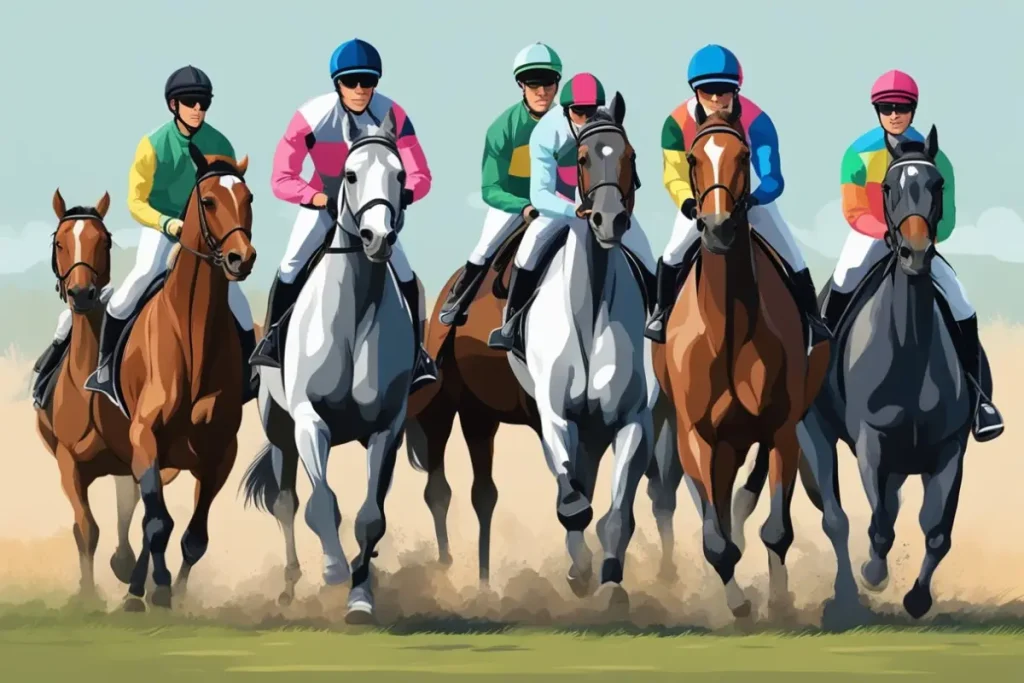
Choosing a racehorse name involves understanding how names can impact perception and memory. A strong or memorable name can influence public opinion and leave a lasting impression.
Perception of Strength
A racehorse’s name can convey power, agility, or might. Owners often choose names that imply strength to attract positive attention and respect. Names like “Thunderbolt” or “Wild Fury” suggest speed and dominance, setting expectations before the horse even races. This can be crucial in competitive racing, where names play a role in marketing and fan interest. A strong name may also boost the confidence of those involved, from trainers to jockeys, as they associate the name with potential success on the track.
Memorability and Recognition
A memorable name is essential in a crowded field of competitors. Names with unique sounds or clever wordplay are often easier to remember. This recognition can lead to higher popularity among fans and better odds from bookmakers. For instance, a quirky or humorous name might stand out in people’s minds, such as “Hoof Hearted” or “Arrrrr,” which have gained attention for their wit and fun nature. Memorable racehorse names can also evoke emotions or imagery, making them more appealing and likely to be shared among enthusiasts and on social media.
Frequently Asked Questions
Naming a racehorse involves specific rules and considerations. These include registration processes, trends, and a horse’s pedigree. Understanding the conventions and the relationship between a horse’s name and its heritage or traits is crucial.
How do racehorse names get registered and approved?
Racehorse names must be registered with official bodies like the Jockey Club. The name must meet certain criteria, such as being unique and complying with naming conventions. This ensures clarity and avoids duplication in the racing world.
What are some notable trends in naming racehorses?
Naming trends for racehorses often reflect cultural influences or popular events. Many owners choose names inspired by celebrities, historical figures, or current events, giving their horses a name that stands out in the racing community.
What factors influence the naming of a racehorse?
Factors such as a horse’s lineage, its physical attributes, or personality traits can influence the name chosen. Owners often aim for a name that captures the horse’s essence or signifies strength and speed.
How are racehorse names related to their pedigree?
The pedigree of a racehorse often plays a role in its name. Some names may reflect the names of the sire or dam, or they might allude to a specific trait or legacy of the horse’s lineage. This helps maintain a connection to the horse’s ancestral performance.
What are the conventions or rules for selecting racehorse names?
Racehorse naming conventions include length limits, avoiding profanity, and not using names that are too similar to existing ones. These rules ensure that each name is appropriate and distinct, which is important for record-keeping and identification.
How do racehorse names reflect the horse’s history or characteristics?
Names can showcase a horse’s unique history or traits. For example, a horse known for its speed might have a name that alludes to swiftness, while a horse with a notable background might be named after a historical place or event, emphasizing its journey or origins.
FURTHER READING