Common Health Issues in Shire Horses: A Complete Guide
Shire horses are known for their gentle strength and reliable nature on farms and in shows. While their large size and calm temperament make them beloved, one aspect often gets overlooked: the array of health challenges that can arise beneath that sturdy coat. Have you ever wondered what hidden aches or strains might affect these gentle giants?
The key is early detection and a solid care routine. By understanding common issues like hoof cracks or digestive upsets, owners can make proactive choices—adjusting feed, scheduling regular trims, or tweaking turnout time. With a little insight, you’ll keep your Shire performing at its best and avoid surprises at the vet’s door.
Hoof Care Problems
Shire horses carry extra weight, which puts added stress on their hooves. Over time, this can lead to cracks, sole bruising, or thrush. A hoof neglected even for a few weeks may develop infections that cause lameness or chronic pain.
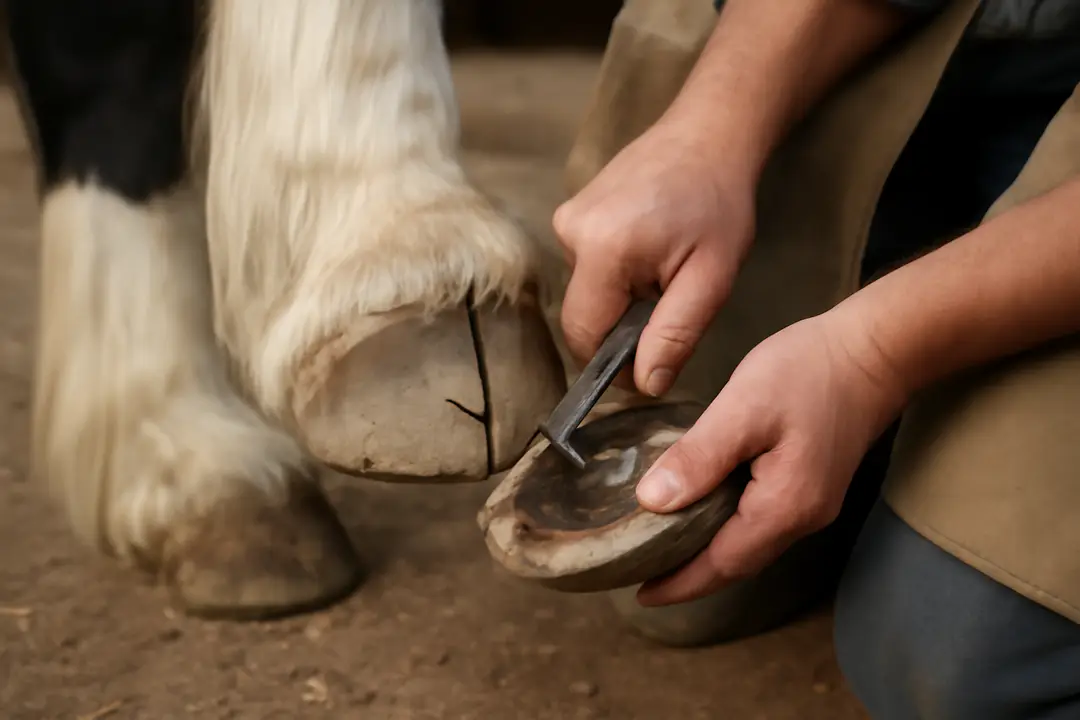
Practical tip: schedule a farrier visit every six to eight weeks. During each visit, the farrier should trim the hoof wall, balance the sole, and check for any debris trapped in the frog. Daily cleaning with a hoof pick and mild disinfectant keeps moisture levels in check and wards off thrush.
Data point: studies show that regular hoof maintenance can reduce lameness incidents by up to 40%. While you groom your horse’s coat (see our routine grooming guide), take a moment to brush away bedding from the hooves, too. A quick glance can spot small chips or hot spots before they worsen.
Digestive Challenges
Colic remains one of the most serious concerns for any horse owner. In Shire horses, their large gut capacity and a penchant for overeating rich hay or grain can lead to gas buildup or impaction. Left unchecked, these problems can escalate rapidly.
Tip: feed small, frequent meals rather than a few large ones. A typical feeding schedule might break down 2% of the horse’s body weight into four to five portions daily. Including a slow feeder hay net reduces speed of intake and encourages natural grazing behavior.
Practical step: introduce any feed change gradually over seven to ten days. Sudden diet shifts can disrupt the microbial balance in the gut and trigger colic. Keeping fresh water available at all times is crucial—Shire horses often need up to 30 gallons a day, especially in warm weather.
As part of a good daily care routine, check manure consistency each morning. Noting changes—looser droppings or dry, pellet-like stools—helps you react before mild discomfort becomes a veterinary emergency.
Respiratory Issues
Dusty barns, moldy hay, and smoky environments can all irritate a Shire’s large lungs. Respiratory distress often shows as nasal discharge, coughing, or subtle exercise intolerance. These signs can be easy to dismiss if you’re not watching closely.
Tip: improve air quality by ensuring good ventilation in the stall. Open windows or vents at opposite ends can create a gentle cross-breeze. If dust is a problem, soak hay or switch to hay cubes to cut down airborne particles.
Data insight: horses with access to well-ventilated barns have 30% fewer upper respiratory infections than those housed in closed, poorly aired spaces. Monitor your horse’s breathing at rest—counting flank movements for 30 seconds can reveal a resting rate that’s higher than the normal 8–16 breaths per minute.
Practical advice: avoid bedding materials that hold a lot of dust. Straw alternatives like shavings or paper can offer a cleaner environment. And when turnout is possible, fresh air and exercise help clear the airways and boost overall lung function.
Joint and Muscle Strain
Shires are heavy, so their joints and ligaments bear a constant load. Overwork or uneven terrain can cause stiffness, swelling, or even low-grade lameness over time. Young horses still growing need careful exercise plans to build strong bone and muscle tissue.
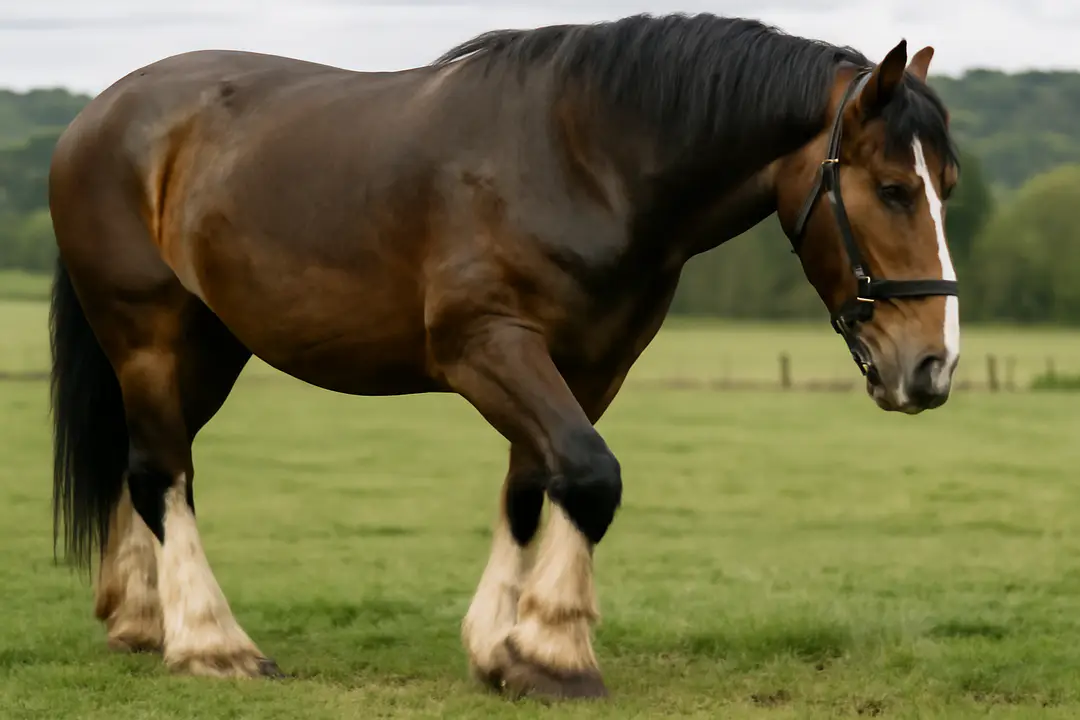
Tip: vary your horse’s routine. Alternate days of pasture turnout with light hacks on soft ground. Incorporate gentle hill work to strengthen hindquarters without overloading the knees and hocks.
Data point: introducing controlled exercise programs reduced chronic joint pain in draft breeds by 25%. Warm compresses after work can ease soreness, and standing wraps can support ligaments if swelling appears.
Connecting this to proper overall care—like feeding balanced minerals and vitamins—helps maintain joint cartilage. For a full maintenance overview, see this guide on caring for a Shire’s daily needs. Early attention to stiffness keeps your horse comfortable and performance-ready.
Skin and Coat Health
Shire horses often sport thick manes and feathered legs, which can trap moisture and debris. Skin issues like fungal infections, rain rot, or itchy dermatitis thrive in damp, shaded spots under that lush hair.
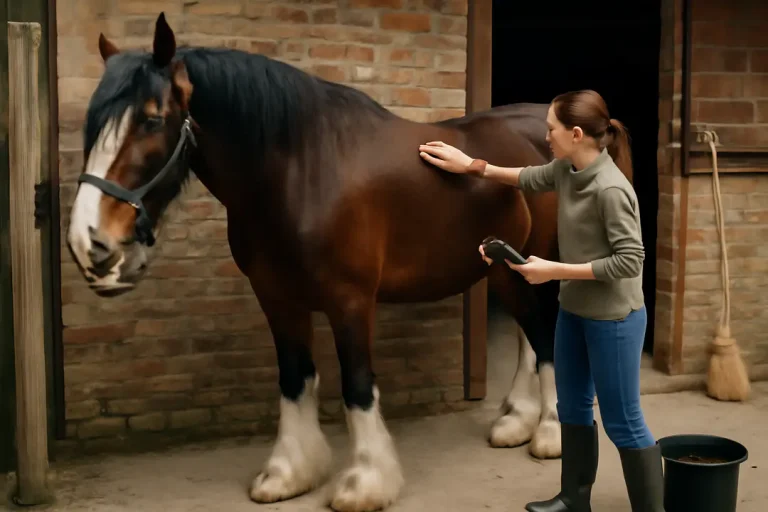
Practical tip: regular grooming prevents mats and allows you to spot hot spots early. During wetter months, keep feathering trimmed around the fetlocks to reduce mud build-up. A soft brush and mild antiseptic wash are all you need to clear away bacteria-prone debris.
Data insight: a simple once-weekly inspection of the skin under feathers cuts fungal outbreaks by half. If you see scaly patches or matted clumps, apply a medicated shampoo containing chlorhexidine or ketoconazole for up to two weeks.
Remember, a shiny coat is a sign of good nutrition as well as skin health. Oils from the diet, like flaxseed or fish oil supplements, support a lustrous finish and help repel water without relying on heavy sprays.
Dental and Oral Care
Even large horses need tooth floats to keep their bite smooth. Sharp enamel points develop with chewing, causing ulcers or uneven wear that leads to weight loss or head tossing under tack.
Tip: schedule dental checks once a year for mature Shires, and every six months for those under ten. A qualified equine dentist will use a float to level sharp edges and check for hooks, ramps, or missing teeth.
Practical advice: observe chewing patterns at mealtimes. If your horse drops feed or chews on one side, it could indicate discomfort. Balancing the diet with chopped forage or soaked cubes can ease chewing until the next dental appointment.
Proper dental health boosts overall digestion—better chewing means feed is broken down more fully, reducing digestive upset and improving nutrient use. Keeping this small detail in mind goes a long way toward a healthier, happier Shire.
Conclusion
By knowing the common health issues in Shire horses, you step into ownership armed with prevention strategies and early detection skills. From hooves to heartburn, each concern ties back to daily observation, routine care, and small adjustments in diet or turnout. Rather than waiting for problems to arise, you’ll spot the first signs—be it a hot shoe, a gurgling gut, or a damp patch under the feathers.
Building a narrative of wellness means blending regular hoof trims, balanced feed schedules, clean stalls, and seasonal checks. Each part of your horse’s care connects, creating a safety net that supports their massive frame and gentle spirit. As you fine-tune your approach, you’ll not only avoid vet bills but also deepen the bond you share. Ready to keep your Shire thriving? It starts with one careful look and a bit of preventive action every day.