Shire Horse Eye Color Insights and Care Tips
When you admire a Shire horse, its massive frame and gentle demeanor draw you in right away. Yet one subtle trait we often skip over is the eyes—they can range from deep brown to pale blue and even flecked patterns. These shades aren’t just pretty; they can hint at genetics, health, and care needs. Have you ever wondered what your Shire’s eye color really tells you?
Understanding those colors helps you spot potential issues early and appreciate your horse’s unique heritage. By learning how eye shades develop and what they mean, you can make better feeding, grooming, and turnout choices. This knowledge keeps your horse comfortable, healthy, and ready for the ring.
Eye Color Variations
Shire horses usually have dark eyes, but there’s more variety than meets the eye. Most owners spot these common colors:
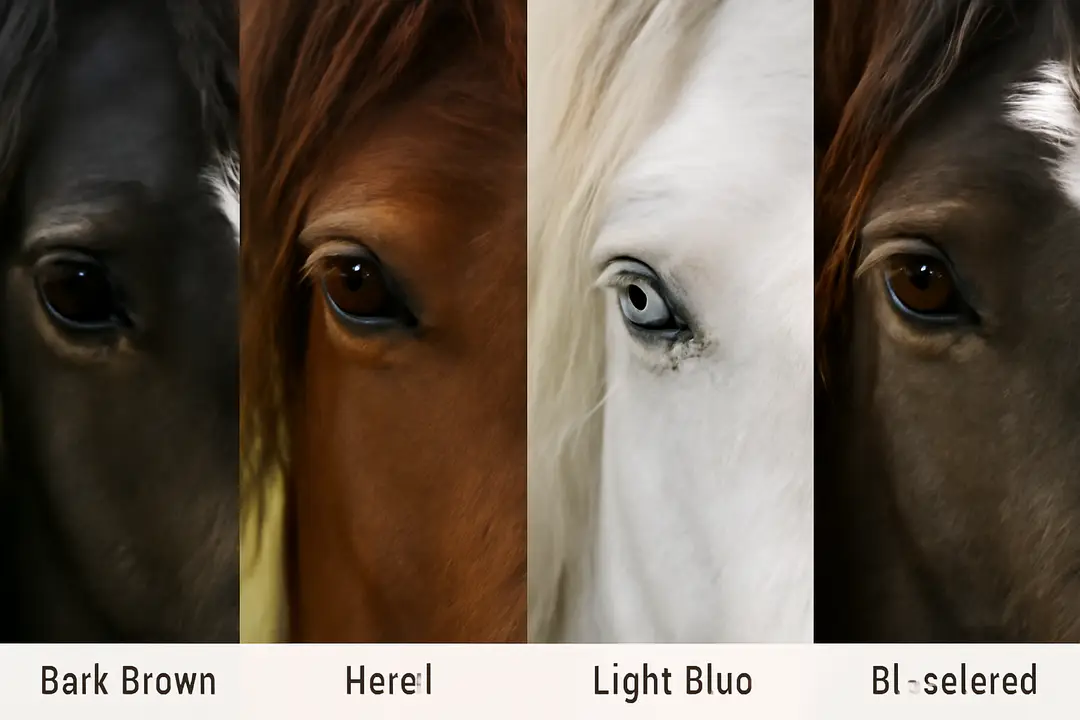
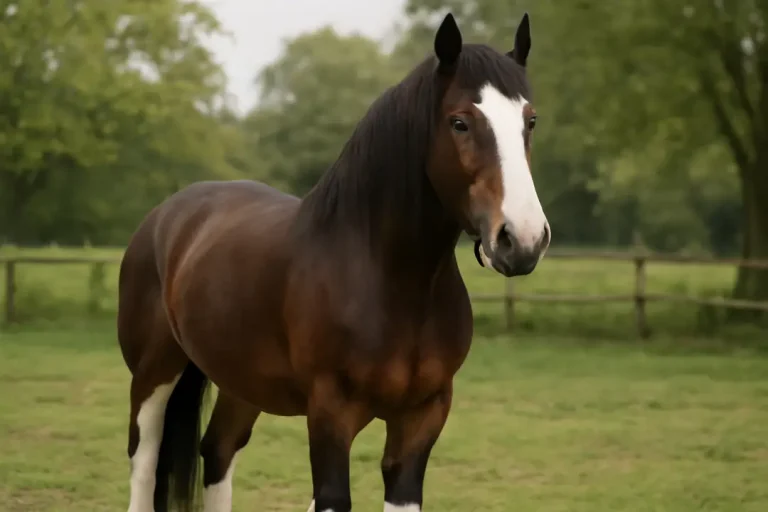
- Dark Brown – The classic shade, indicating high melanin levels.
- Medium Hazel – A warm color often seen in lighter-coated Shires.
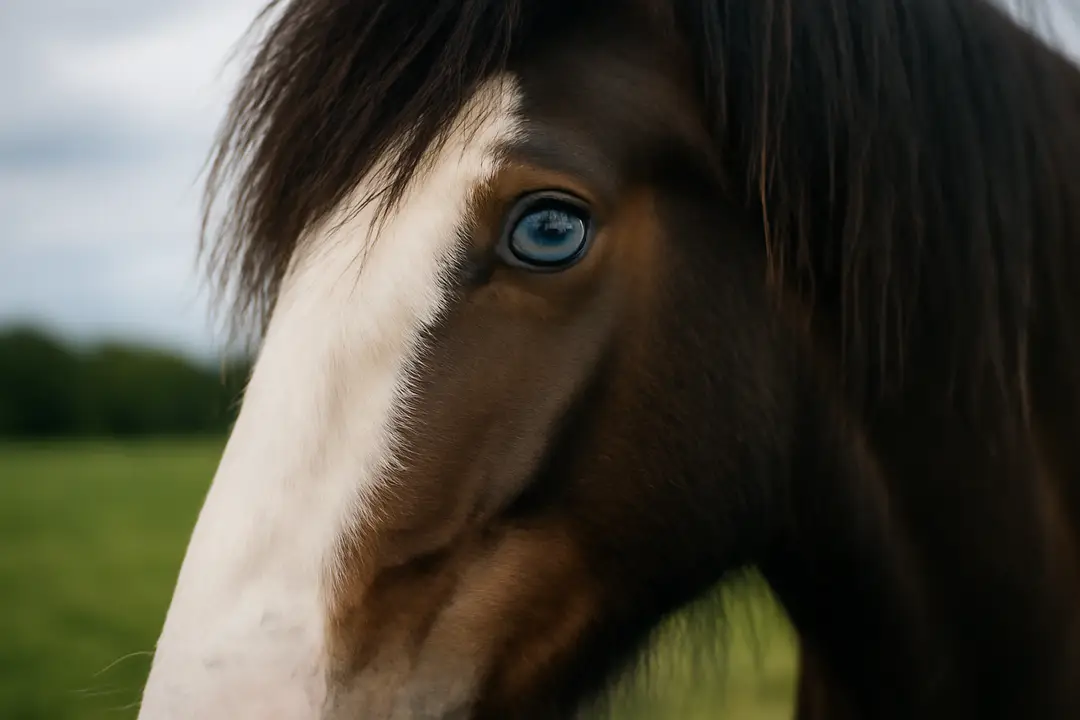
- Light Blue – Rare, sometimes linked with splash white or sabino genes.
- Bi-colored or Flecked – Small patches of lighter pigment within a darker iris.
Each variation can be influenced by coat color and pattern genes. For example, a grey Shire may develop a light ring around the pupil over time. Those pale blue eyes can also show extra sensitivity to bright sunlight.
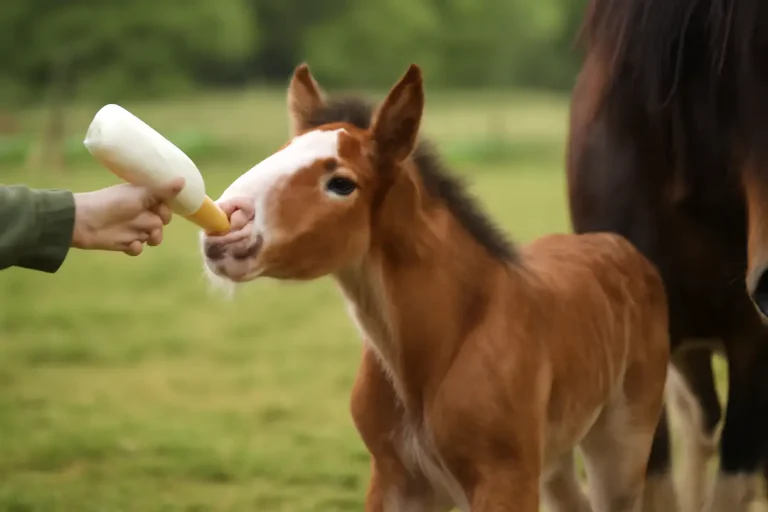
Practical tip: note your foal’s eye color early and track any change. Sudden cloudiness or spots could mean health issues rather than a normal shift.
Genetics of Color
Eye color in Shires comes down to a few key genes that control pigment production and distribution. The two main pigments are eumelanin (dark) and pheomelanin (red/gold). Variations appear when different genes turn pigment on or off in the iris tissue.
Dominant genes ensure a dark eye, while recessive variants can produce lighter shades or patterns. Horses with splash white or sabino markings often show blue eyes due to a reduction in pigment cells around the iris edge.
Breeders sometimes select for unique eye hues by pairing horses with known color genetics. But remember, unpredictable combinations can produce unexpected results. Data from large registries show that less than 5% of purebred Shires display blue or flecked eyes.
Practical tip: review your horse’s pedigree for mention of unusual eye colors. This can set expectations before your foal develops its adult shade.
Health Considerations
While eye color itself isn’t a disease, certain shades may hint at underlying conditions. Pale or very light eyes can be more sensitive to UV light, leading to squinting or tear staining. Cloudiness or spots developing in any iris color warrant a closer look.
- Tear Staining – Often tied to blocked ducts or allergies, especially around lighter eyes.
- Sun Sensitivity – Blue-eyed horses may need UV-blocking fly masks.
- Inflammation or Spots – Could signal uveitis or early cataracts.
When grooming, keep the eye area clean and free of debris. A gentle wipe with saline solution can prevent infections. If you notice redness, discharge, or changes in pupil shape, contact your vet right away.
Practical tip: include an eye check in your grooming guide routine to catch problems early.
Temperament and Color
Many riders ask if eye color links to behavior. In Shires, there’s no proven connection between shade and personality. These horses are known for their reliable, calm nature—often called the gentle giant nature.
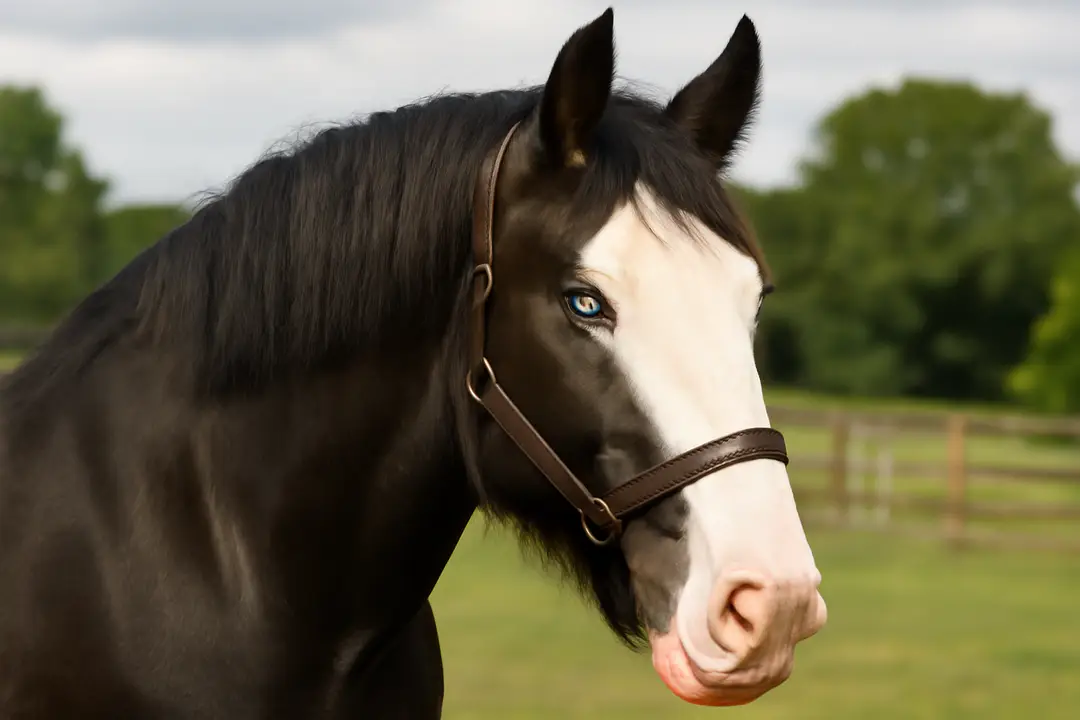
However, a horse that squints frequently may become head-shy or resistant to bridling. That reaction is more about eye comfort than mood. When you address eye sensitivity, you also improve your training sessions.
Practical tip: if your horse seems tense while bridling or grooming near the head, check for glare or irritation in the eyes first. A simple fly mask or shade cloth in the stable can make a big difference.
Caring for Shire Eyes
Routine care keeps your Shire’s eyes bright and problem-free. Follow these steps:
First, clean gently. Use a soft cloth or pad moistened with saline solution. Wipe from the inside corner outward to avoid dragging debris into the canal.
Second, monitor for changes. Look at the iris when the horse is relaxed and in natural light. Note any cloudiness, spots, or uneven pigmentation.
Third, protect from bright sun and insects. A well-fitted fly mask with UV blocks helps light-colored eyes. In pasture, offer shaded turnout areas.
Practical tip: integrate eye checks into your daily care routine for a consistent schedule.
Color in the Show Ring
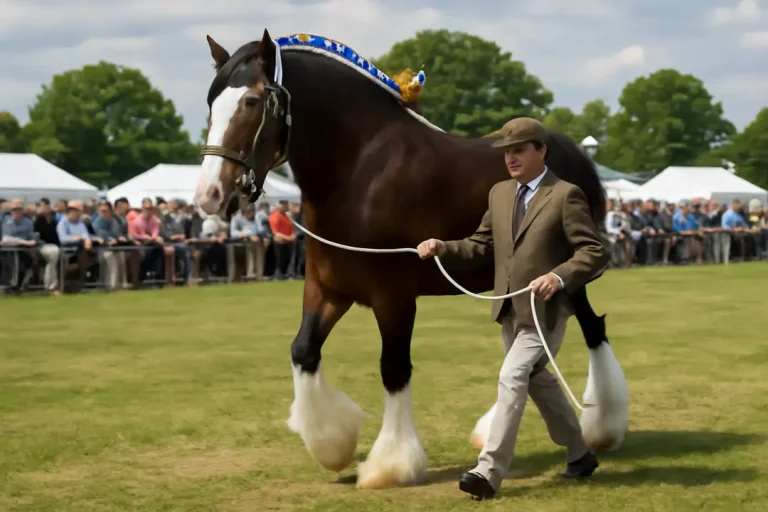
In competition, judges rarely score eye color, but a bright, healthy eye enhances overall appearance. Dark eyes appear cleaner against a white blaze, while pale eyes can pop under certain lights.
Show groomers often polish the area around the eye, using gentle creams to enhance shine. Just make sure any product you choose is eye-safe and fragrance-free.
If you aim for breed classes, research any preferences your local judges may have. While color won’t cost you points, clarity and expression can influence overall impressions.
Practical tip: practice your turnout in daylight to see how eye color reacts under ring lights. Adjust masks or shading during warm-up accordingly.
Conclusion
Eye color in Shire horses may seem minor compared to their size and strength, but it offers real insights into genetics, health, and care needs. By tracking variations and understanding potential sensitivities, you can tailor feed, grooming, and turnout to keep your horse comfortable. Whether your Shire’s eyes are dark brown, pale blue, or flecked, a regular check and simple protection steps go a long way.
Remember, a healthy eye contributes to better performance and a happier partnership. Next time you groom or saddle up, take a moment to observe those irises. Spotting subtle changes early makes all the difference in preventing issues before they escalate. With the right knowledge and routine, you’ll ensure your gentle giant sees clearly—and shines—in every setting.